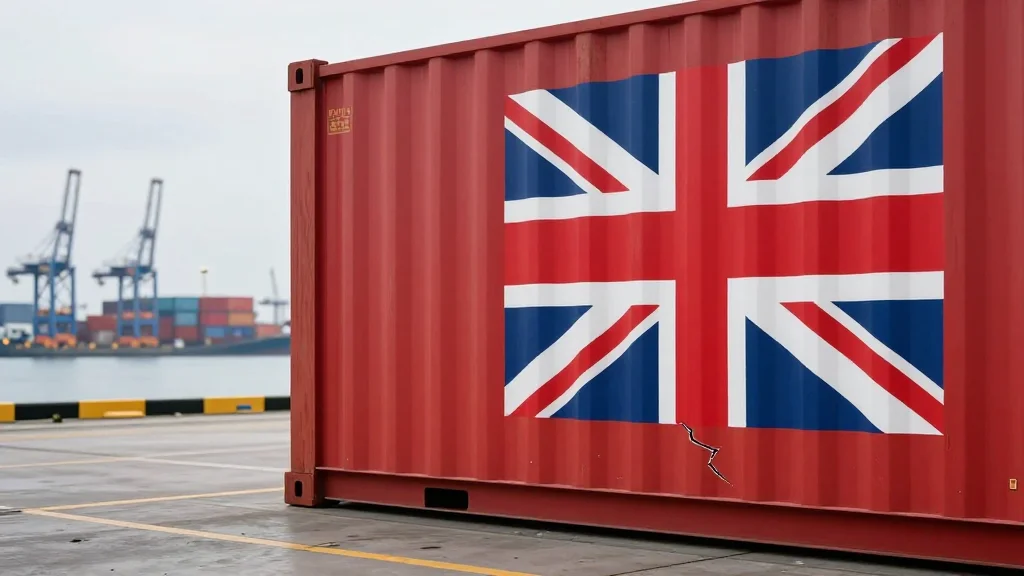
Manufacturing, Retail Among UK Sectors at Risk From Shipping Disruption
Why It Matters
The persistent volatility of global shipping routes threatens core UK industries, potentially inflating costs and delaying production, which could ripple through the economy. Strengthening supply‑chain resilience now is essential to safeguard profitability and maintain competitive advantage.
Key Takeaways
- •85% of UK freight moves by sea, making logistics vulnerable
- •Red Sea reroutes added weeks to delivery times in 2024
- •Manufacturing, construction, retail face highest disruption risk
- •Companies adopt on‑site container storage to boost inventory flexibility
Pulse Analysis
The United Kingdom’s dependence on maritime freight has long been a strategic advantage, but recent geopolitical and environmental shocks are turning it into a liability. In 2024, the Department for Transport reported that 85% of UK freight by weight travels by sea, while the Office for National Statistics highlighted that Red Sea tensions forced vessels to skirt the Cape of Good Hope, extending transit times by several weeks. These delays expose a systemic lack of flexibility, especially for sectors that cannot afford prolonged inventory gaps.
Manufacturing, construction, and retail are the sectors feeling the sharpest impact. Factories rely on globally sourced machinery and components, while construction projects depend on imported materials—60.2% of which originated from the EU in 2025. Retail and food supply chains operate on just‑in‑time restocking, making any hiccup a direct threat to shelf availability and sales. The cascading effect of a single delayed container can halt production lines, postpone building schedules, and erode consumer confidence, underscoring the broader economic stakes.
In response, UK firms are reshaping their supply‑chain playbooks. Diversifying supplier bases, building safety stock, and leveraging digital platforms for real‑time visibility are becoming standard practices. Notably, many companies are turning to flexible, on‑site storage using shipping containers, allowing rapid scaling of inventory without permanent infrastructure investment. This hybrid approach balances efficiency with preparedness, positioning businesses to absorb future shocks while maintaining operational continuity. The shift reflects a broader industry consensus: resilience is no longer optional but a core component of competitive strategy.
Manufacturing, retail among UK sectors at risk from shipping disruption
Comments
Want to join the conversation?
Loading comments...