Manufacturing’s Recovery Broadens as Industrial Demand Leads the Freight Upcycle
Companies Mentioned
Why It Matters
The shift to industrial‑driven freight creates a more persistent pricing environment, rewarding carriers while forcing shippers to secure contracts rather than rely on spot market rates.
Key Takeaways
- •ISM Manufacturing PMI hits 54.0 in May, highest since 2022
- •LMI records 69.5, second‑fastest expansion since March 2022
- •Flatbed spot rates rise to $4.32 per mile; tender rejections exceed 38%
- •New orders index climbs to 56.8, foreshadowing freight volume surge
- •Upstream transport utilization 73.9, downstream only 60.9, tightening capacity
Pulse Analysis
The latest ISM Manufacturing PMI reading of 54.0 marks a decisive pivot from the post‑pandemic consumer‑led rebound to a manufacturing‑centric recovery. Growth is being driven by multi‑year capital projects—AI data‑center construction, defense procurement, and domestic energy infrastructure—each demanding heavy equipment, steel, and electronic components. This structural demand base is less vulnerable to short‑term consumer sentiment, suggesting a more resilient engine for freight volumes as manufacturers pull in inputs and ship finished goods.
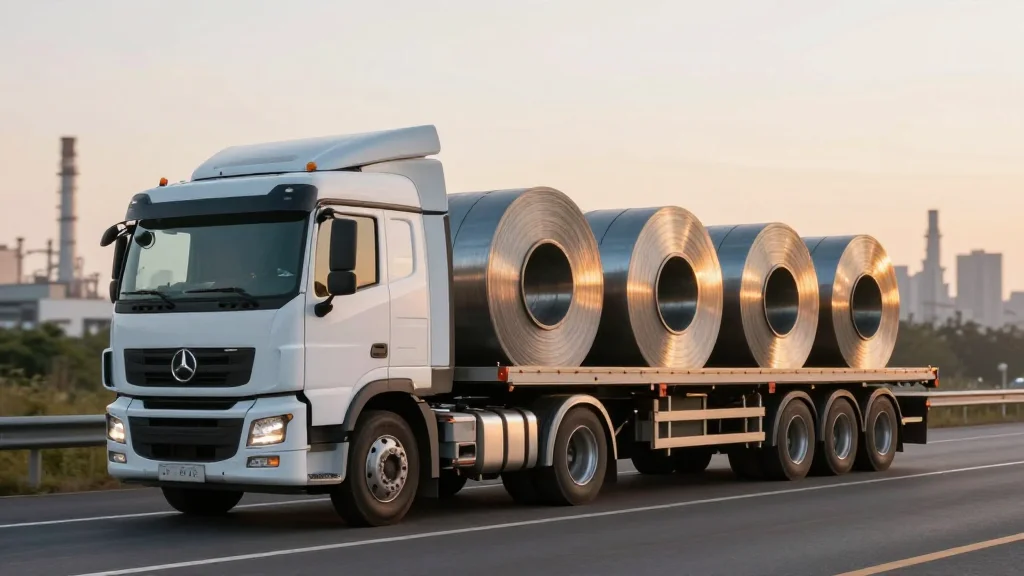
Freight markets are already pricing this shift. The Logistics Managers’ Index stayed near 70, with transportation prices hitting a near‑decade high of 96.0. Flatbed carriers, the workhorse for moving machinery and steel, see spot rates above $4 per mile and tender rejection rates surpassing 38%, indicating carriers are turning down lower‑priced loads in favor of higher‑margin contracts. Upstream utilization at 73.9 versus downstream 60.9 reflects capacity being consumed at the production stage, creating a genuine scarcity of equipment that fuels rate inflation.
For shippers, the message is clear: reliance on spot market pricing is becoming riskier as rates climb and capacity tightens. Securing contract coverage or longer‑term agreements will be essential to manage cost volatility. Carriers, meanwhile, enjoy a pricing environment reminiscent of the 2022 surge but underpinned by real industrial demand rather than stimulus‑driven consumption, offering a more sustainable profit outlook. Stakeholders should monitor new‑order trends, flatbed tender activity, and policy incentives for reshoring, as these will shape the freight market’s trajectory over the next 12‑18 months.
Manufacturing’s recovery broadens as industrial demand leads the freight upcycle
Comments
Want to join the conversation?
Loading comments...