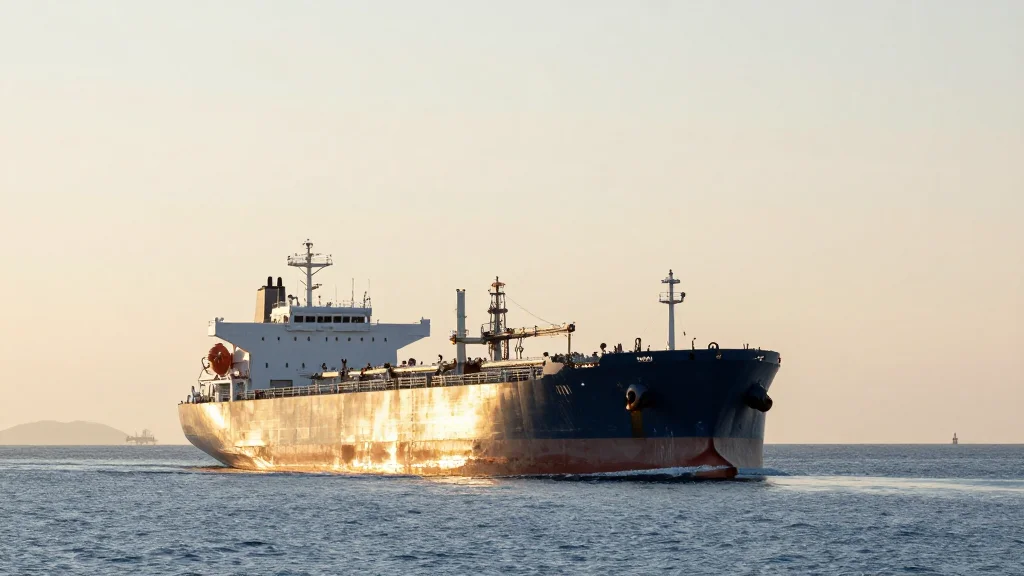
Many Big Oil Tankers Remain Stuck in Strait of Hormuz — and May Not Retur...
Why It Matters
A prolonged tanker bottleneck threatens to tighten crude supply, pressuring prices and prompting shippers to seek alternative transport solutions. This shift could reshape trade patterns and impact oil‑producing nations’ revenue streams.
Key Takeaways
- •Large tankers stuck in Strait of Hormuz face prolonged delays
- •Reduced tanker availability may shift crude transport to smaller vessels
- •Oil futures hover near $100 as market doubts persist
- •Middle East exporters may renegotiate contracts due to shipping bottlenecks
Pulse Analysis
The Strait of Hormuz has long been the artery for the world’s oil flow, handling roughly a fifth of daily crude shipments. Recent hostilities with Iran have turned the narrow passage into a chokepoint, leaving several Very Large Crude Carriers (VLCCs) and Ultra‑Large Crude Carriers (ULCCs) immobilized. Their sheer size makes rerouting difficult, and the uncertainty surrounding a durable cease‑fire amplifies the risk that these vessels will not resume regular voyages to the Persian Gulf.
With the super‑tankers sidelined, oil traders are recalibrating logistics strategies. Smaller Aframax and Suezmax vessels, which can navigate alternative routes such as the Cape of Good Hope, are gaining prominence despite higher fuel costs and longer transit times. This modal shift tightens the supply chain, nudging spot prices upward and keeping futures near the psychologically important $100 per barrel threshold. Market participants are also factoring in potential insurance premium spikes and heightened geopolitical risk premiums.
In the longer view, oil majors may accelerate fleet diversification and invest in more flexible shipping assets to mitigate future chokepoints. The current impasse could spur greater reliance on strategic petroleum reserves and prompt refiners to renegotiate long‑term contracts with price‑adjustment clauses. As the industry adapts, investors should watch for increased capital allocation toward maritime technology, such as digital tracking and autonomous vessel initiatives, which promise to enhance resilience against geopolitical disruptions.
Many big oil tankers remain stuck in Strait of Hormuz — and may not retur...
Comments
Want to join the conversation?
Loading comments...