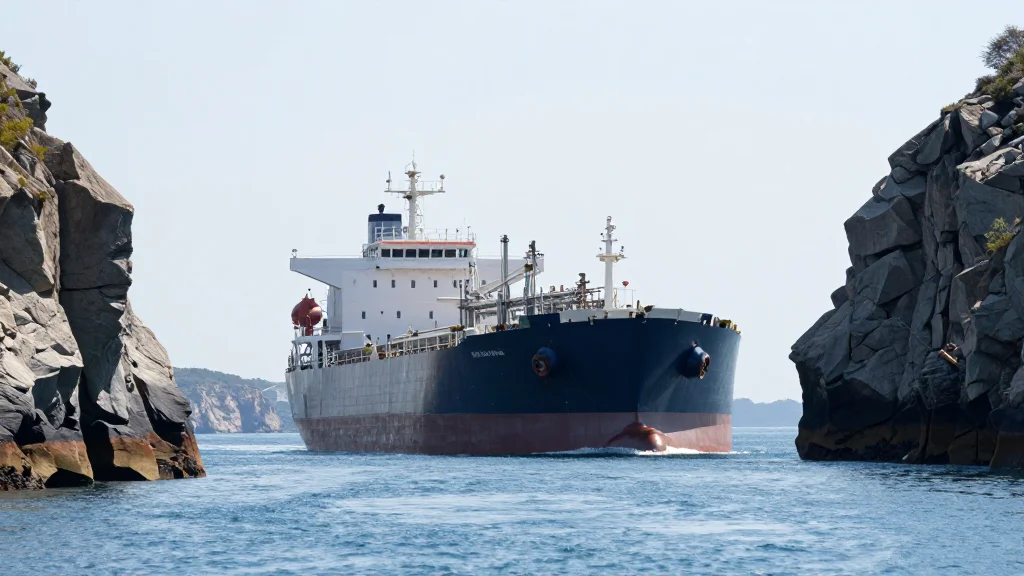
MarineTraffic Shows Hormuz Strait Vessel Activity After Israel-Lebanon Ceasefire Deal
Companies Mentioned
Why It Matters
Restored traffic through Hormuz eases supply‑chain pressures on global oil markets and reduces geopolitical risk premiums for energy traders. The data reassures investors that the Middle East’s primary oil conduit is back to normal operating capacity.
Key Takeaways
- •Tanker traffic in Hormuz rose 30% week over week
- •Average daily vessel count reached 45, highest since 2022
- •Oil flow through Strait estimated at 20 million barrels per day
- •No reported incidents or delays since ceasefire
- •MarineTraffic data shows full operational capacity restored
Pulse Analysis
The Strait of Hormuz, a narrow passage linking the Persian Gulf to the Gulf of Oman, handles roughly a fifth of the world’s petroleum shipments. When regional tensions flare, even the hint of a blockade can trigger sharp spikes in oil prices and force carriers to reroute around the Cape of Good Hope, adding weeks and thousands of dollars to freight costs. The recent Israel‑Lebanon ceasefire has removed a key source of uncertainty, and real‑time AIS data from MarineTraffic now confirms that the strait is operating at pre‑crisis levels, with daily tanker counts climbing to 45 vessels, the highest since the 2022 escalation.
Analysts interpret the uptick as a direct market response to reduced geopolitical risk. With the strait fully open, crude oil benchmarks such as Brent and WTI have steadied, shedding the premium that had built up during the brief period of restricted flow. The estimated 20 million barrels per day moving through the waterway aligns with historical averages, suggesting that downstream refiners and petrochemical producers can rely on stable feedstock supplies without resorting to costly inventory builds or alternative sourcing.
Beyond immediate pricing effects, the normalization of Hormuz traffic carries broader strategic implications. Shipping insurers are lowering war‑risk premiums, and naval forces can shift focus from escort duties to routine patrols, freeing resources for other maritime security challenges. For investors, the data underscores the resilience of global energy logistics when diplomatic channels succeed, reinforcing the importance of monitoring real‑time vessel tracking platforms as early indicators of market sentiment. Companies across the energy value chain should factor this renewed stability into their supply‑chain planning and risk‑management models.
MarineTraffic shows Hormuz Strait vessel activity after Israel-Lebanon ceasefire deal
Comments
Want to join the conversation?
Loading comments...