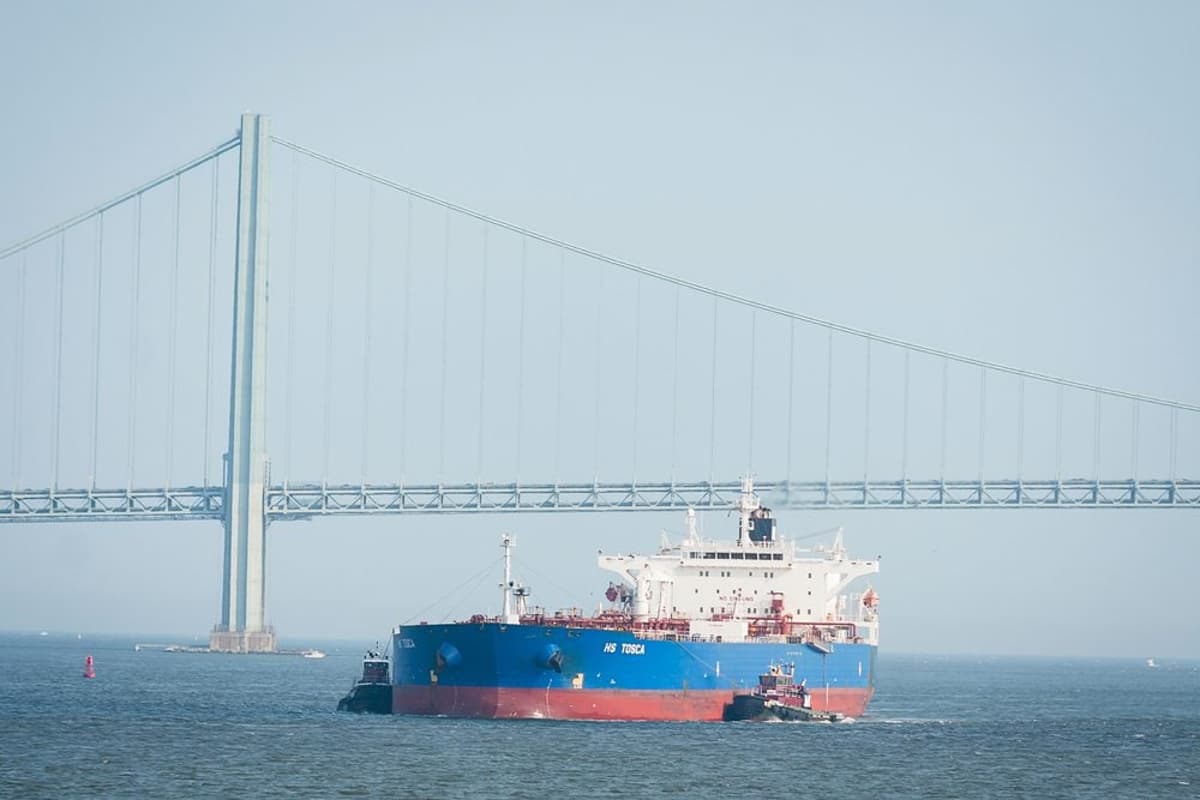
Maritime Labor Coalition Renews Call to End Jones Act Waiver on Law’s 106th Anniversary
Why It Matters
The waiver erodes the domestic cargo base needed to sustain U.S.-flag vessels and shipyards, threatening national security and the maritime workforce. Reversing it could reinforce the Jones Act’s role in revitalizing American shipbuilding and supply‑chain resilience.
Key Takeaways
- •88 foreign-flag voyages used Jones Act waiver since March.
- •Waiver covers crude, gasoline, diesel, renewable diesel, fuel oil, fertilizers.
- •Labor groups say waiver hasn’t lowered fuel prices.
- •Critics argue waiver threatens U.S. shipbuilding and mariner jobs.
- •Administration faces tension between shipbuilding push and foreign-flag exemptions.
Pulse Analysis
The Jones Act, part of the 1920 Merchant Marine Act, mandates that cargo moving between U.S. ports travel on vessels that are U.S.-built, owned, and crewed. Intended to preserve a robust domestic fleet and strategic sealift capability, the law has become a cornerstone of American maritime policy. In early 2024, the Trump administration invoked a 60‑day emergency waiver after the Strait of Hormuz closure threatened fuel supplies, later extending it by 90 days. The exemption allows foreign‑flag tankers to fill routes normally reserved for U.S. ships, sparking a debate that resurfaces each time geopolitical shocks arise.
Recent Maritime Administration filings reveal that the waiver has been used for at least 88 foreign‑flag voyages, moving crude oil, gasoline, diesel, renewable diesel, fuel oil and fertilizer feedstocks across the Gulf Coast, West Coast, East Coast and Puerto Rico. Labor leaders from the AFL‑CIO and allied unions contend that the measure failed to lower pump prices and instead diverted cargo from U.S.-flag operators, weakening shipyards and the mariner workforce. Their analysis points to a widening gap between the administration’s shipbuilding incentives and a policy that effectively subsidizes foreign operators, raising questions about the true cost to national security.
The controversy highlights a broader policy tension: while Washington touts a maritime revitalization agenda, repeated broad waivers undermine the domestic cargo base essential for vessel profitability and shipyard orders. Critics urge a return to the statutory case‑by‑case exemption process, which would preserve the Jones Act’s protective intent while still addressing genuine emergencies. If the waiver is rescinded, U.S. shipbuilders could see steadier demand, and the merchant marine pipeline may regain momentum, reinforcing supply‑chain resilience in a volatile global energy market. Stakeholders will watch upcoming congressional hearings for signals on the administration’s next move.
Maritime Labor Coalition Renews Call to End Jones Act Waiver on Law’s 106th Anniversary
Comments
Want to join the conversation?
Loading comments...