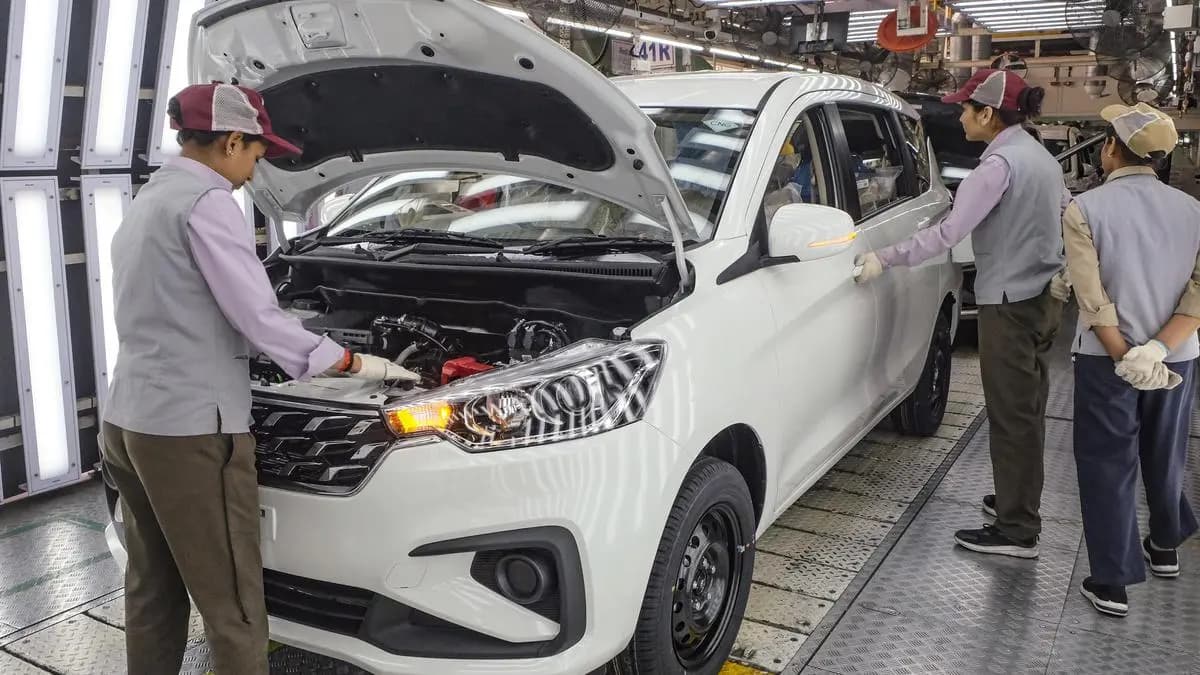
Maruti Suzuki Adds 502 New Service Touchpoints in FY26, Aims to Reach 8,000 by FY31
Why It Matters
A denser service network strengthens Maruti Suzuki’s customer loyalty and boosts after‑sales revenue, a critical profit driver in the highly competitive Indian automotive market.
Key Takeaways
- •Added 502 service points in FY2025‑26.
- •Total network now 5,926 locations across 3,000 towns.
- •Target 8,000 touchpoints by FY2030‑31.
- •Mix includes Arena, Nexa, MSSSP, mobile workshops.
- •Expansion fastest in company history, 2,000 added last five years.
Pulse Analysis
Maruti Suzuki’s after‑sales ecosystem has become a strategic differentiator as the Indian passenger‑car market matures. With a market share hovering around 45%, the automaker relies heavily on service revenue, which typically contributes 15‑20% of total earnings. By expanding to 5,926 touchpoints, the company reduces service latency, improves parts availability, and enhances the overall ownership experience—factors that directly influence repeat purchases and brand advocacy.
The latest rollout blends traditional brick‑and‑mortar workshops with flexible mobile solutions. Arena and Nexa facilities cater to premium and mid‑segment buyers, while the Maruti Suzuki Sales and Service Points (MSSSP) bring standardized service to smaller towns. Mobile Service‑on‑Wheels and Bodyshop‑on‑Wheels units address the growing demand for doorstep convenience, especially in regions where fixed workshops are sparse. This hybrid model not only widens geographic coverage but also allows Maruti to test new service concepts without heavy capital outlay.
Looking ahead, the target of 8,000 touchpoints by FY 2030‑31 positions Maruti Suzuki to capture a larger share of the lucrative after‑sales market, estimated at over $12 billion in India. The expanded network should drive higher parts sales, increase workshop utilization, and generate data insights for predictive maintenance services. However, scaling quickly also raises challenges around workforce training, quality consistency, and supply‑chain coordination. Successfully navigating these issues will determine whether Maruti can translate its network growth into sustainable profit margins and maintain its leadership amid rising competition from both domestic and foreign OEMs.
Maruti Suzuki adds 502 new service touchpoints in FY26, aims to reach 8,000 by FY31
Comments
Want to join the conversation?
Loading comments...