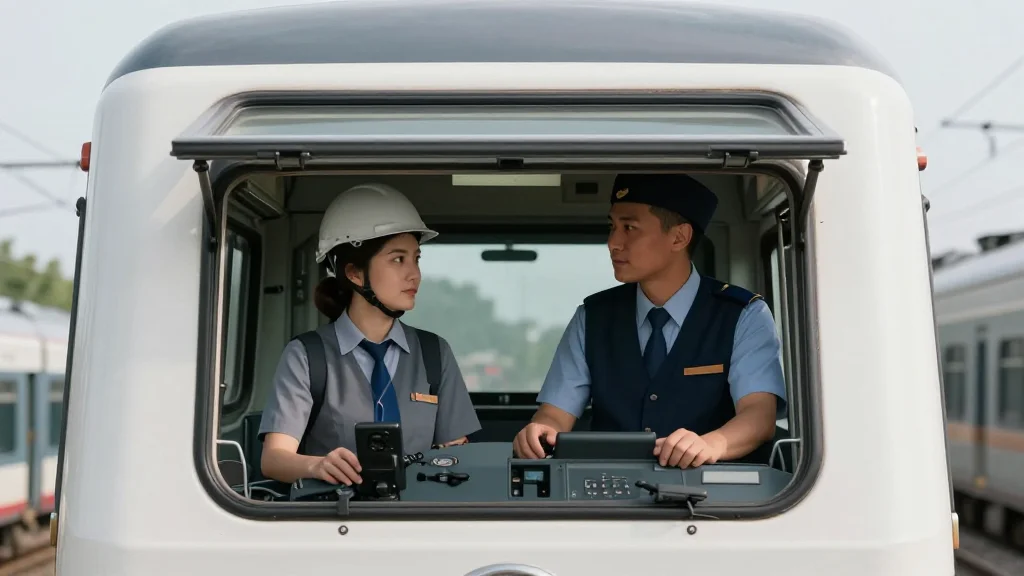
Maryland Senate Expects to Pass Two-Person Train Crew Bill
Why It Matters
The legislation could raise rail safety standards and labor costs, while exposing carriers to regulatory and litigation risks that may reshape industry operations.
Key Takeaways
- •Senate to advance two‑person crew bill to governor
- •Penalties: $10k first, $25k second offense within three years
- •House passed companion HB862 with 98‑35 vote
- •Labor unions praise bill as life‑saving safety measure
- •AAR threatens lawsuit, citing interstate commerce concerns
Pulse Analysis
Two‑person crew mandates are gaining traction after high‑profile rail incidents highlighted vulnerabilities in single‑operator configurations. Proponents argue that additional crew members improve emergency response times, reduce fatigue‑related errors, and align with union demands for safer working conditions. Maryland’s SB 156 joins New Jersey’s recent law, signaling a regional shift toward stricter staffing requirements that could become a benchmark for other states seeking to bolster rail safety.
Beyond safety, the bill introduces significant cost and compliance considerations for freight operators. Fines of $10,000 to $25,000 for violations create a financial incentive to retrofit schedules and equipment, potentially increasing operational expenses. Rail carriers, represented by the Association of American Railroads, warn that state‑level crew rules may conflict with federal jurisdiction over interstate commerce, prompting lawsuits that could delay implementation and add legal uncertainty. The outcome of any litigation will likely influence how aggressively other jurisdictions pursue similar mandates.
If Maryland’s measure survives legal scrutiny, it may catalyze a broader industry debate balancing safety benefits against labor costs and network efficiency. Stakeholders will watch for ripple effects on crew scheduling, wage structures, and investment in automation technologies that could mitigate staffing constraints. Ultimately, the legislation underscores a growing tension between regulatory safety initiatives and the economic realities of a highly competitive freight rail market, shaping the strategic priorities of carriers and policymakers alike.
Maryland Senate expects to pass two-person train crew bill
Comments
Want to join the conversation?
Loading comments...