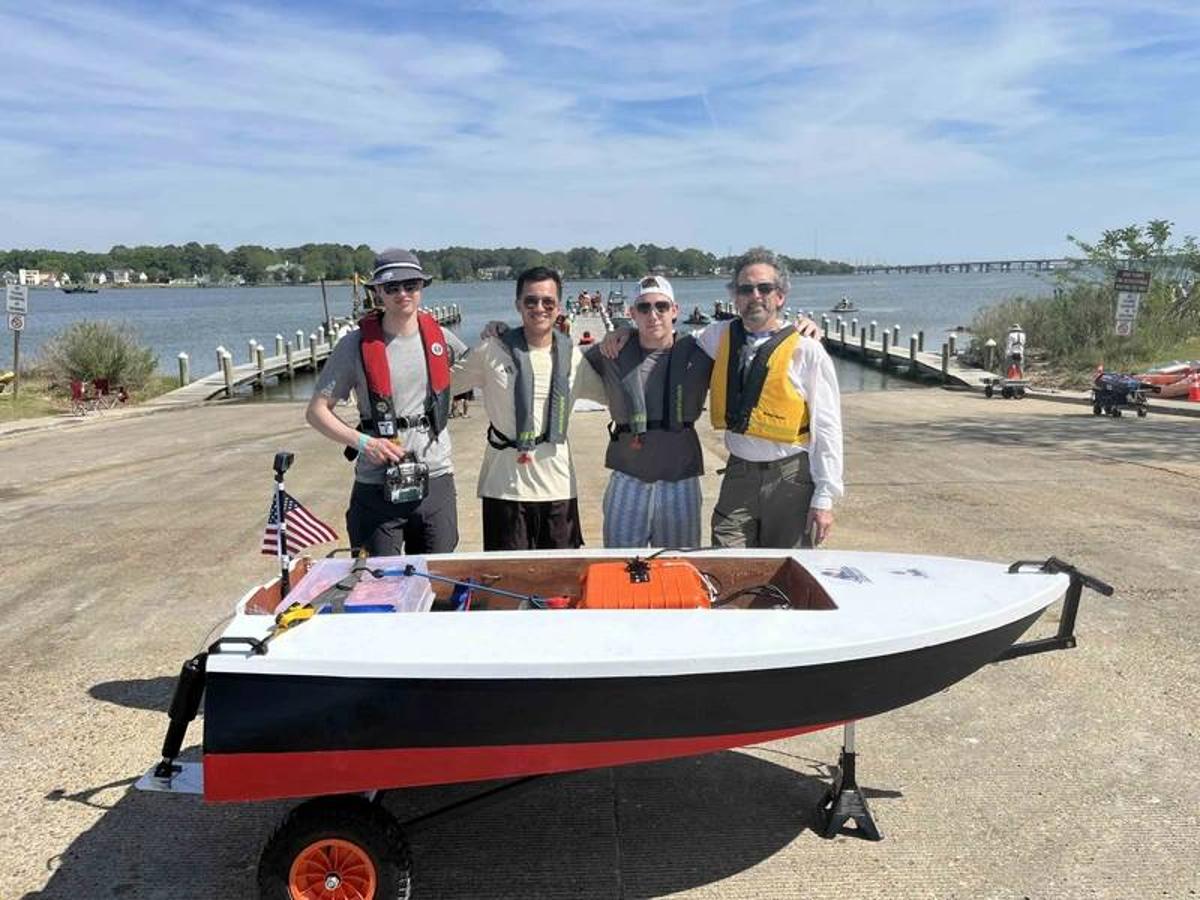
Massachusetts Maritime Academy Team Wins Electric Propulsion Competition
Why It Matters
The win underscores the rising talent pool in electric maritime propulsion and strengthens MMA’s reputation as a hub for hands‑on engineering education, directly feeding the Navy’s and industry’s need for skilled electric‑boat designers.
Key Takeaways
- •MMA's ESE team clinched first place in 2026 PEP competition.
- •Victory came in Unscrewed Electric Open Watercraft category against 15 rivals.
- •Team earned top technical whitepaper score and fastest 2‑mile lap.
- •Competition involves 45+ universities and 350 engineering students nationwide.
- •Success highlights growing talent pipeline for electric maritime propulsion.
Pulse Analysis
The Promoting Electric Propulsion (PEP) Workforce Development Competition has become a benchmark for collegiate innovation in maritime electrification. Sponsored by the Office of Naval Research and run by the American Society of Naval Engineers, the contest challenges teams to design, build, and operate electric watercraft that meet rigorous performance and sustainability criteria. With over 45 universities and 350 engineering students competing annually, the event reflects the defense and commercial sectors’ accelerating shift toward low‑emission propulsion solutions.
Massachusetts Maritime Academy’s Energy Systems Engineering team distinguished itself by not only winning the Unscrewed Electric Open Watercraft category but also securing the top technical whitepaper score and the fastest 2‑mile lap. The three cadets—Knox Ackerman, Dhillan Maxwell‑Columbia, and Michael Voci—completed the entire vessel lifecycle within their senior capstone course, integrating power‑train design, hull optimization, and real‑world testing. Their success demonstrates how project‑based curricula can produce market‑ready prototypes while providing students with hands‑on experience that aligns with industry standards.
Beyond the trophy, the victory signals a broader trend: academic programs are becoming critical pipelines for the electric maritime workforce the Navy and commercial operators urgently require. As global regulations tighten emissions limits, the demand for engineers skilled in battery management, motor control, and autonomous navigation will surge. MMA’s achievement positions the academy as a leading incubator for this talent, potentially attracting research funding, industry partnerships, and increased enrollment from students eager to shape the future of green shipping.
Massachusetts Maritime Academy Team Wins Electric Propulsion Competition
Comments
Want to join the conversation?
Loading comments...