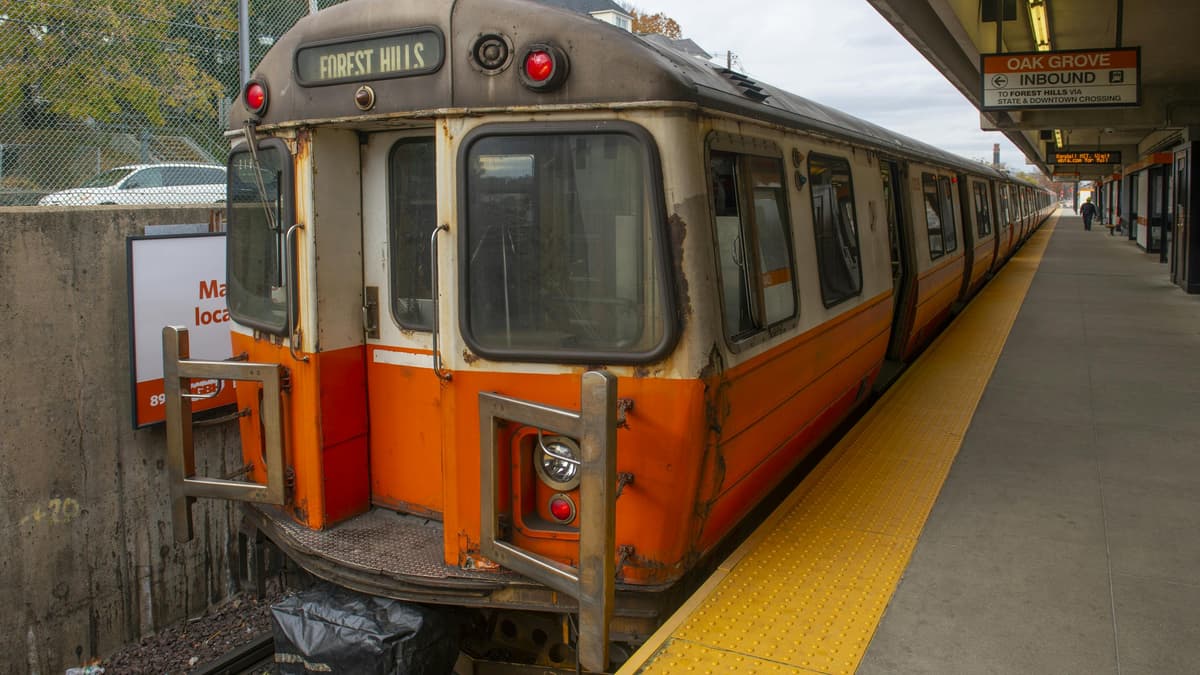
MassDOT Completes Maffa Way/Mystic Avenue Bridge Superstructure Replacements Project Nine Months Ahead of Schedule
Why It Matters
Accelerated delivery cuts disruption costs and improves transit reliability, showcasing effective coordination among state, municipal, and rail partners.
Key Takeaways
- •Project finished nine months early, saving time and costs
- •$54.9 M bridge rebuild adds sidewalks, bike lanes, bus lanes
- •New transit‑signal‑priority cuts bus delays at key intersections
- •Bus routes 85‑101 gain dedicated lanes, improving on‑time performance
- •Collaboration with MBTA, Keolis, CSX demonstrates coordinated infrastructure model
Pulse Analysis
Massachusetts’ aging bridge network has long been a bottleneck for both commuters and freight. By targeting the Maffa Way and Mystic Avenue crossings—critical links over the MBTA Orange Line and commuter rail—MassDOT addressed structural decay while embedding modern multimodal standards. The $54.9 million investment reflects a broader state push to modernize infrastructure, aligning with federal funding streams that prioritize resilience and climate‑ready design. Replacing superstructures in a dense urban corridor also avoided the higher costs typically associated with prolonged construction phases.
Beyond the structural upgrades, the project’s multimodal enhancements signal a shift toward integrated transportation planning. Dedicated sidewalks, protected bike lanes, and expanded bus‑only lanes create a safer, more attractive environment for non‑car travelers. The newly installed transit‑signal‑priority (TSP) at Mystic Avenue‑Grand Union and Broadway‑Lombardi intersections trims red‑light wait times, directly improving on‑time performance for high‑frequency routes 85, 89, 90, 95, and 101. Early completion means residents and businesses experience fewer months of disruption, while the added capacity supports the MBTA’s Better Bus Network initiatives.
The nine‑month early finish underscores the power of coordinated project delivery. MassDOT leveraged partnerships with the MBTA, Keolis, CSX, and local municipalities to streamline permitting, schedule rail outages, and manage construction logistics in a complex rail‑active zone. This collaborative model offers a template for future high‑impact projects across the Commonwealth, where speed, cost control, and multimodal outcomes are increasingly demanded by policymakers and the public alike. As Massachusetts continues to invest in infrastructure, the Maffa Way/Mystic Avenue success story illustrates how strategic planning and cross‑agency cooperation can accelerate progress while enhancing mobility for all users.
MassDOT completes Maffa Way/Mystic Avenue Bridge superstructure replacements project nine months ahead of schedule
Comments
Want to join the conversation?
Loading comments...