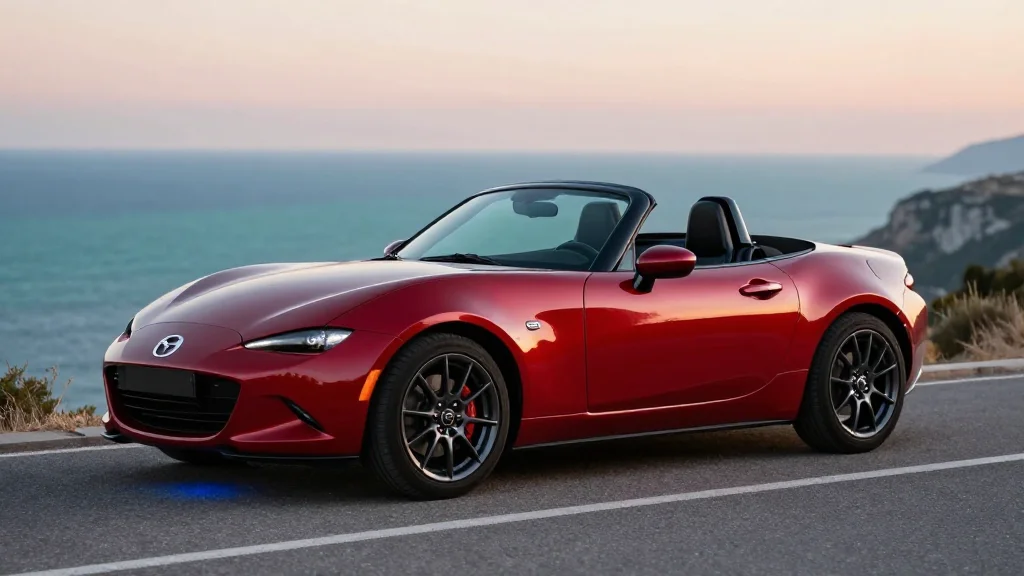
Mazda's Goal For The Next Miata: 'Preserve The Car's DNA'
Companies Mentioned
Why It Matters
By marrying fan‑driven design with electrified powertrains, Mazda aims to keep the MX‑5 relevant in a rapidly green‑focused market while reinforcing its brand identity, a move that could reshape the affordable sports‑car segment.
Key Takeaways
- •Mazda engineers gathered feedback from European MX‑5 clubs for next model
- •2026 MX‑5 updates target suspension, steering, and cabin quietness
- •Mild‑hybrid diesel reduces CO₂ up to 77% with HVO fuel
- •Plug‑in hybrid MX‑5 will be Mazda’s most powerful roadster
- •CX‑6e EV signals Mazda’s push into European electric market
Pulse Analysis
Mazda’s latest MX‑5 development underscores a rare blend of heritage and innovation. The Japanese automaker has leaned heavily on a grassroots feedback loop, inviting clubs from Italy, Germany and the UK into its design studios. This hands‑on approach reflects Mazda’s Kaizen philosophy—continuous improvement driven by real‑world driver experience. By preserving the lightweight, rear‑wheel‑drive layout that defines the Miata’s DNA, Mazda signals that the core emotional appeal remains untouched even as it modernizes the chassis, suspension geometry and cabin insulation for a smoother, quieter ride.
Technical upgrades are equally strategic. The 2026 MX‑5 will debut a 3.3‑liter inline‑six mild‑hybrid diesel capable of running on renewable HVO fuel, slashing CO₂ output by as much as 77 percent. A new plug‑in hybrid variant, touted as the most powerful roadster Mazda has ever built, adds electric torque for brisk city acceleration while retaining the long‑range freedom of an internal‑combustion engine. Enhanced safety architecture now includes an accident‑response system that stabilizes the vehicle for emergency crews, and dual‑pane front glass improves acoustic isolation—features that elevate the everyday driving experience without compromising the car’s playful character.
Beyond the Miata, Mazda is leveraging the same customer‑centric methodology across its SUV lineup. Updates to the CX‑60 and the three‑row CX‑80 stem from the same dialogue, and the upcoming CX‑6e EV marks a decisive entry into Europe’s fast‑growing electric market. By aligning product development with enthusiast sentiment and sustainability goals, Mazda positions itself to retain loyal fans while attracting new buyers seeking both excitement and eco‑responsibility. This dual focus could reshape the affordable sports‑car niche, forcing competitors to balance tradition with the inevitable shift toward electrification.
Mazda's Goal For The Next Miata: 'Preserve The Car's DNA'
Comments
Want to join the conversation?
Loading comments...