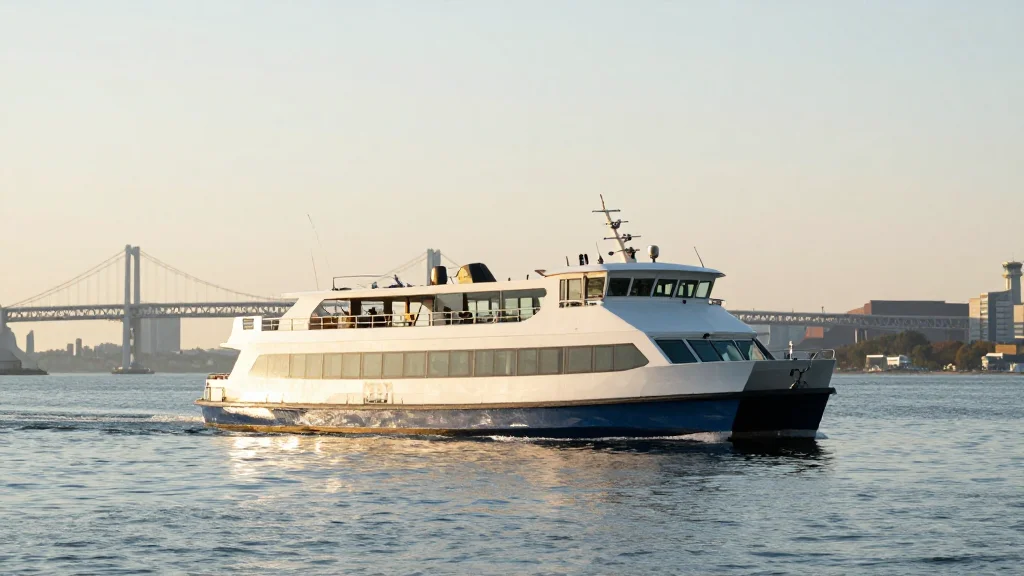
MBTA Launches Year‑Round Harbor Loop Ferry Connecting Boston’s Waterfront and Airport

Why It Matters
The Harbor Loop represents a shift toward multimodal resilience in Boston’s transportation ecosystem. By turning the harbor into a commuter corridor, the MBTA not only expands capacity but also offers a lower‑emission alternative to car trips, aligning with the state’s climate goals. The service’s integration with existing fare media simplifies the rider experience, potentially increasing public‑transit adoption among commuters who have previously relied on personal vehicles. If ridership meets expectations, the model could catalyze broader investments in waterborne transit across the United States, encouraging cities with navigable waterways to reconsider ferries as everyday commuter options rather than seasonal attractions. This could reshape urban mobility patterns, reduce roadway congestion, and contribute to emissions reductions on a national scale.
Key Takeaways
- •MBTA’s F10 Harbor Loop ferry starts June 29, linking four waterfront points and Logan Airport.
- •Peak‑hour service runs every 30 minutes; no midday service between 11:30 a.m. and 3:55 p.m.
- •Full‑fare ticket costs $2.40; reduced fare $1.10; accepts tap‑to‑pay, cash, credit, and mTicket app.
- •Commuter Rail passes (Zones 1A‑10) are valid; CharlieCards are not accepted.
- •Governor Maura Healey and MBTA GM Phillip Eng highlighted job access and system integration.
Pulse Analysis
Boston’s decision to embed a year‑round ferry into its core commuter network signals a broader industry trend: transit agencies are increasingly looking to natural assets—rivers, bays, and lakes—to expand capacity without the high capital costs of rail extensions. Historically, U.S. ferry services have been relegated to tourist routes or limited‑time shuttles; the Harbor Loop flips that script by targeting daily commuters and integrating fare media with the broader MBTA system.
From a market perspective, the move could stimulate demand for ancillary services, such as dock upgrades, vessel procurement, and digital ticketing platforms. Companies that specialize in electric or hybrid ferries may find a new customer base as agencies prioritize sustainability. Moreover, the fare structure—competitive with subway rides—suggests the MBTA is betting on price parity to shift modal choice, a strategy that could pressure road‑based congestion pricing initiatives.
Looking forward, the key variables will be ridership elasticity and operational reliability. If the Harbor Loop can consistently fill its 30‑minute intervals during peak periods, it will validate the economic case for expanding waterborne transit in other dense, coastal metros. Conversely, low uptake could reinforce skepticism about ferries as a mainstream commuter solution. The upcoming data releases on passenger counts and on‑time performance will be closely watched by transit planners nationwide, making Boston’s Harbor Loop a bellwether for the next wave of multimodal urban mobility.
MBTA Launches Year‑Round Harbor Loop Ferry Connecting Boston’s Waterfront and Airport
Comments
Want to join the conversation?
Loading comments...