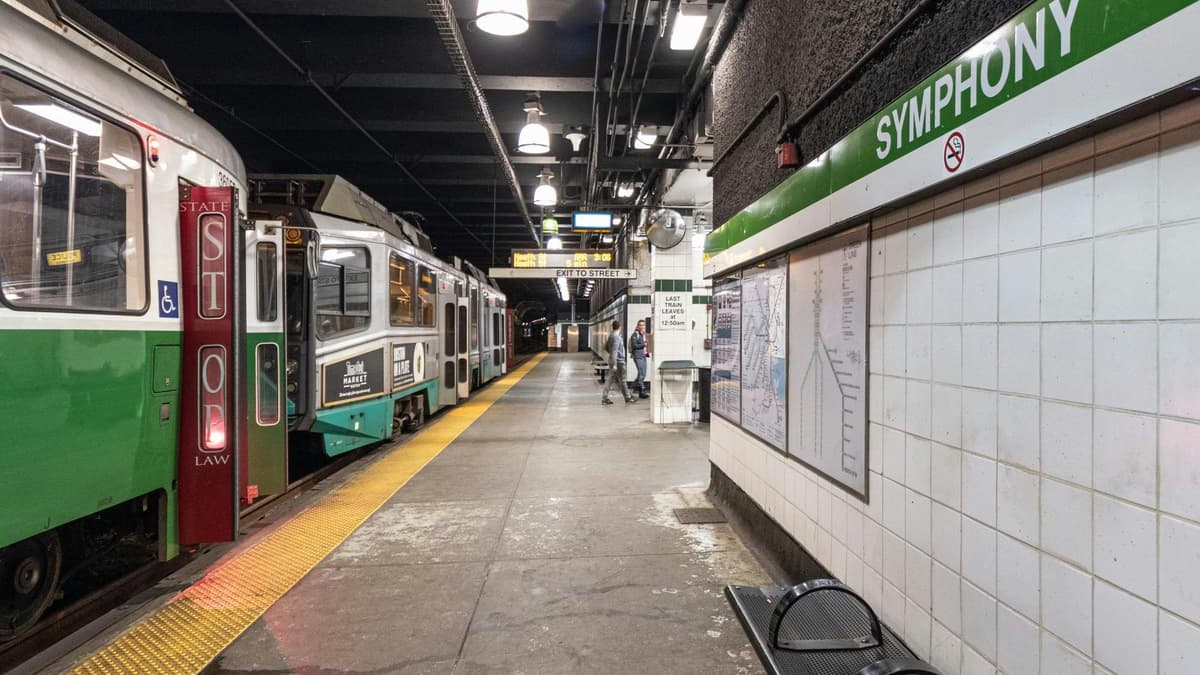
MBTA to Begin Accessibility Project on Symphony Station
Why It Matters
The upgrade eliminates a major accessibility gap on the Green Line, aligning the MBTA with ADA standards and enhancing mobility for riders with disabilities. It also demonstrates effective use of federal transit funds to modernize aging infrastructure, boosting overall system reliability and equity.
Key Takeaways
- •Construction starts June 6, lasting 35 months.
- •Four new elevators will provide step‑free access.
- •Project budget totals $150.8 million, $66.6 million federal.
- •Station will reopen spring 2029 with modern amenities.
Pulse Analysis
The MBTA’s decision to overhaul Symphony Station reflects a broader national push to bring legacy transit hubs into compliance with the Americans with Disabilities Act. Federal support through the Federal Transit Administration’s All Stations Accessibility Program has become a cornerstone for such projects, allowing agencies to address decades‑old design flaws without overburdening local budgets. By securing $66.6 million in federal aid, the MBTA illustrates how strategic grant acquisition can accelerate critical upgrades and set a precedent for other aging systems.
At the heart of the Symphony Station project is a $150.8 million investment that will transform an 85‑year‑old stop into a modern, fully accessible gateway. The plan includes four new elevators, raised platforms for level boarding, accessible bathrooms, enhanced lighting, and upgraded safety features. Utility relocations that began in 2023 have cleared the way for the new infrastructure, while the station will remain closed for 35 months, with Green Line trains bypassing the site. Although the prolonged shutdown poses short‑term inconvenience, the MBTA has committed to maintaining service at all other E‑branch stations, mitigating broader network disruption.
Beyond the immediate benefits to riders with mobility challenges, the Symphony Station upgrade signals a shift toward equity‑focused transit planning in the Boston region. Improved accessibility can increase ridership, stimulate local commerce, and raise property values around the station. Moreover, the project’s successful funding model may encourage similar initiatives on other lines, leveraging federal programs to modernize the network. As the MBTA moves toward a more inclusive future, the Symphony Station renovation serves as a tangible benchmark for how targeted investments can deliver lasting community and economic gains.
MBTA to begin accessibility project on Symphony Station
Comments
Want to join the conversation?
Loading comments...