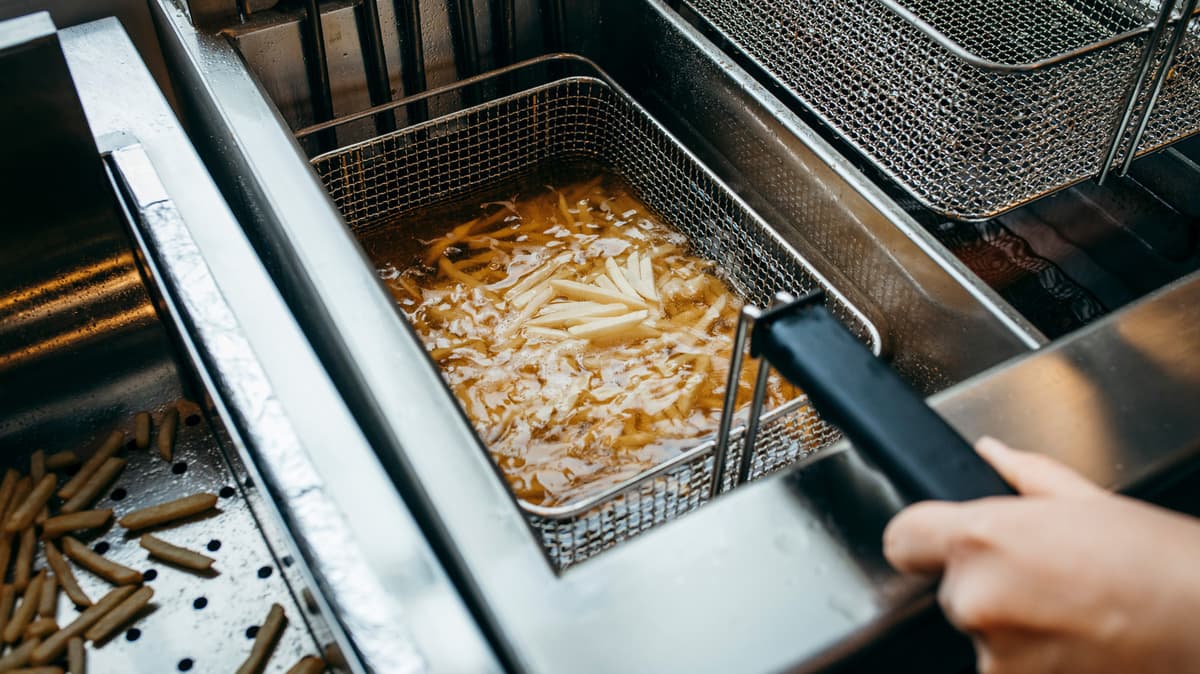
McDonald's Frying Oil Might End Up Fueling The Plane On Your Next Flight
Companies Mentioned
Why It Matters
Turning waste oil into jet fuel reduces aviation’s carbon intensity and provides a replicable model for food‑service chains, accelerating the transition to greener fuels.
Key Takeaways
- •McDonald’s recycles used fry oil into jet fuel at DFW since 2019.
- •Partnership with Neste enables conversion of waste oil into sustainable aviation fuel.
- •UK outlets turn spent oil into biodiesel for McDonald’s delivery fleet.
- •Fry oil conversion reduces landfill waste and cuts aviation carbon footprint.
- •Aviation industry eyes cooking‑oil biofuels as scalable green alternative.
Pulse Analysis
The fast‑food sector generates an enormous volume of used cooking oil, a by‑product traditionally sent to landfills or low‑value animal feed. As airlines grapple with mounting pressure to decarbonize, waste‑derived fuels have emerged as a pragmatic bridge to lower‑emission operations. McDonald’s repurposing of its fry oil demonstrates how a single commodity can be redirected from waste streams into high‑value energy, aligning corporate sustainability goals with broader climate initiatives.
At the heart of the program is a partnership with Neste, a leading renewable‑fuel producer. Collected oil undergoes transesterification—mixing with methanol and a catalyst—to produce a jet‑compatible biofuel that meets rigorous safety standards. Since the pilot’s launch in 2019, the DFW operation has supplied enough fuel to power several hundred flights annually, while the UK network channels similar oil into biodiesel for its delivery fleet. The process not only extracts economic value from a waste material but also cuts lifecycle greenhouse‑gas emissions by an estimated 70 % compared with conventional jet fuel.
The success of McDonald’s initiative is prompting other restaurant chains and airports to explore similar pathways, signaling a shift toward a circular‑economy model in aviation. As regulatory frameworks tighten and airlines commit to net‑zero targets, the scalability of cooking‑oil‑derived fuels could become a critical component of the industry’s green transition. However, challenges remain in securing consistent feedstock supplies and ensuring cost parity with fossil fuels, underscoring the need for continued investment and policy support.
McDonald's Frying Oil Might End Up Fueling The Plane On Your Next Flight
Comments
Want to join the conversation?
Loading comments...