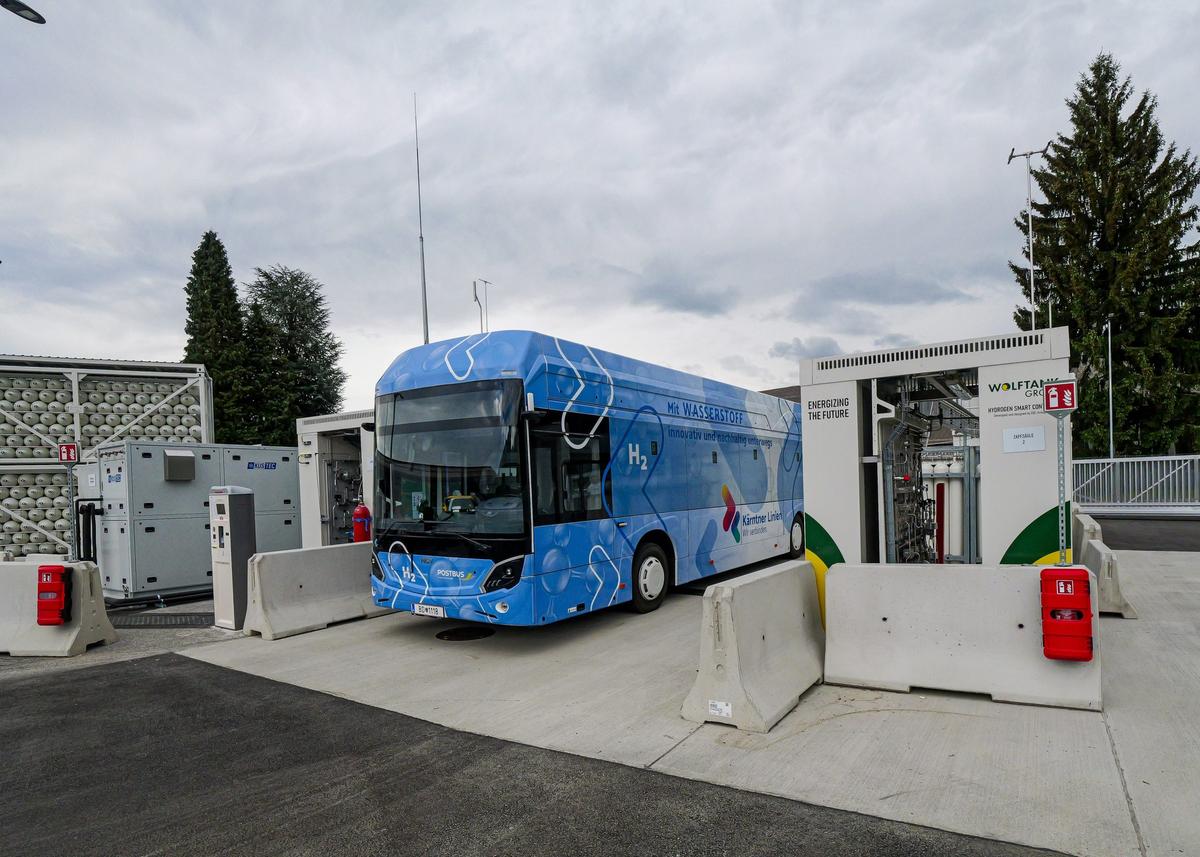
MCV Delivers 35 Hydrogen-Electric Intercity Buses to ÖBB Postbus in Villach, Austria
Why It Matters
The deployment demonstrates that long‑range, zero‑emission buses can operate reliably in challenging terrain, accelerating Austria’s shift toward sustainable public transport. It also validates hydrogen as a viable alternative to battery‑electric buses for regional routes lacking dense charging infrastructure.
Key Takeaways
- •35 hydrogen‑electric C127 FC LE buses delivered to ÖBB Postbus
- •Largest hydrogen bus fleet in Austria, covering 400 km range
- •First hydrogen refuelling station opened in Villach for regional routes
- •Project part of Carinthia’s Decarbonising Bus Transport initiative
- •Buses feature 117 kWh battery and 100 kW fuel cell
Pulse Analysis
Hydrogen fuel‑cell buses are gaining traction across Europe as governments seek to cut transport emissions without compromising range. MCV’s C127 FC LE model blends a 100 kW fuel cell with a 117 kWh battery, delivering up to 400 km on a single fill—far beyond typical battery‑electric city buses. This hybrid architecture addresses the infrastructure gap in mountainous regions, where installing high‑capacity chargers is costly and logistically complex.
In Carinthia, the DeCarB program unites the state, ÖBB Postbus, and industry partners to replace diesel‑powered intercity coaches with zero‑emission alternatives. The 35‑bus fleet will traverse valleys, lake districts, and steep corridors, showcasing the technology’s adaptability to demanding topography. The simultaneous launch of a dedicated hydrogen refuelling hub in Villach ensures rapid turnaround, keeping buses in service and minimizing downtime—critical factors for reliable regional schedules.
The Austrian rollout signals a broader market shift. As operators evaluate total cost of ownership, hydrogen’s quick refuelling and long range are becoming compelling against the backdrop of rising electricity prices and limited charging sites. Successful pilots like Carinthia’s provide data that can de‑risk future investments, encouraging other European regions to consider fuel‑cell buses for rural and intercity networks. Continued collaboration between manufacturers, utilities, and transport agencies will be essential to scale hydrogen infrastructure and achieve the continent’s climate targets.
MCV delivers 35 hydrogen-electric intercity buses to ÖBB Postbus in Villach, Austria
Comments
Want to join the conversation?
Loading comments...