Med-Mooring Dispute Interrupts Cargo Deliveries to U.S. Virgin Islands
Why It Matters
Disrupting these vessels threatens essential supply chains to the U.S. Virgin Islands, potentially inflating costs for residents and businesses and exposing regulatory gaps in regional maritime logistics.
Key Takeaways
- •Coast Guard bans med‑mooring of Water Spirit 2 and Admiral Pride.
- •Daily civil fines could reach $120,000 for non‑compliance.
- •USVI depends on vessels for essential food, refrigerated goods, and supplies.
- •No alternative berth found, raising risk of supply disruptions.
- •Governor Bryan seeks temporary waiver to maintain cargo deliveries.
Pulse Analysis
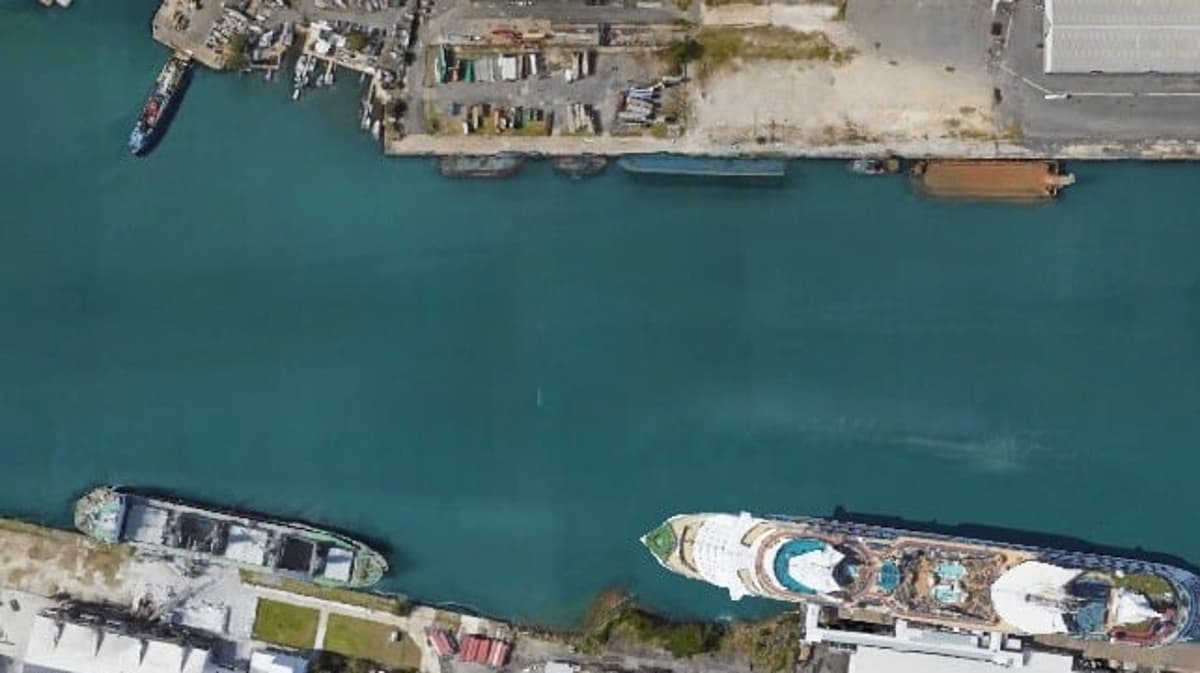
The Coast Guard’s decision to prohibit med‑mooring at San Juan’s Pier 10 underscores a growing tension between maritime safety standards and the logistical realities of small‑scale freight operators. While the ban aims to protect larger cruise ships and maintain clear navigation channels, it inadvertently jeopardizes the supply chain that feeds the U.S. Virgin Islands. The two ro/ro vessels, Water Spirit 2 and Admiral Pride, are the lifelines for perishable foods, construction materials, and consumer goods that island retailers and contractors rely on daily.
For the USVI economy, the interruption poses a classic “last‑mile” challenge. With no alternative berth identified in San Juan, freight schedules could be delayed, leading to higher inventory costs, potential stockouts, and price spikes for essential items. The $120,000 per‑day fine underscores the financial stakes for operators, while the Virgin Islands Port Authority’s limited jurisdiction highlights a regulatory gap that could prompt broader inter‑agency coordination. Stakeholders are watching closely as Governor Albert Bryan Jr. pushes for a temporary waiver, a move that could set precedent for flexible maritime policy in congested ports.
Looking ahead, the incident may accelerate discussions on dedicated cargo berths or off‑site transshipment hubs to separate freight from cruise traffic. Such infrastructure investments would reduce reliance on ad‑hoc mooring practices and improve resilience against future regulatory actions. In the meantime, businesses in the Virgin Islands should assess inventory buffers and explore alternative supply routes, while policymakers consider streamlined waiver processes that balance safety with economic continuity.
Med-Mooring Dispute Interrupts Cargo Deliveries to U.S. Virgin Islands
Comments
Want to join the conversation?
Loading comments...