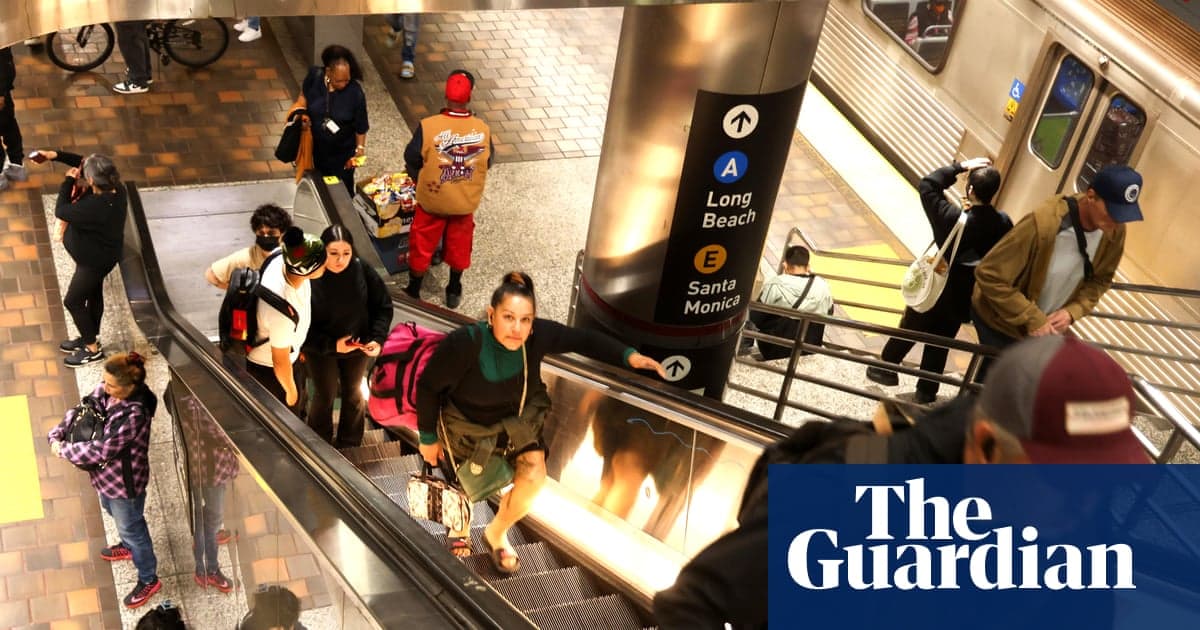
Meet the Americans Who Choose to Live without a Car in the US: ‘It Takes some Doing’
Companies Mentioned
Why It Matters
The stories underscore a growing demand for reliable, inclusive mobility options, pressuring cities and policymakers to upgrade transit and support alternatives as car ownership declines. This shift has direct implications for urban planning, climate goals, and the transportation market.
Key Takeaways
- •LA riders combine bikes with fragmented transit, facing safety and drug‑related issues
- •Chicago’s CTA offers extensive service, but aging stations hinder comfort
- •Oakland ranks among top US car‑free cities, yet early‑morning BART gaps persist
- •Midwestern La Crosse relies on limited bus schedules; regional travel remains car‑dependent
- •Boston’s unreliable rail and parking costs deter car ownership among young professionals
Pulse Analysis
Across the United States, a modest but noticeable cohort is choosing to forgo car ownership, driven by rising living costs, environmental awareness, and a desire for urban convenience. Millennials and Gen Z professionals in dense metros such as Los Angeles, Chicago, and Boston are leveraging a mix of bicycles, ride‑share services, and public transit to meet daily needs. Their experiences reveal how a well‑connected network can make car‑free living viable, while also exposing gaps that force reliance on rental cars for longer trips or weekend getaways.
The challenges these residents face are largely systemic. Fragmented schedules, aging infrastructure, and limited service windows—exemplified by LA’s patchy bus routes, Chicago’s century‑old stations, and Boston’s unreliable rail—create friction that can deter broader adoption. Cultural attitudes add another layer; in car‑centric regions, non‑drivers often encounter judgment or logistical hurdles, from scarce bike parking to safety concerns on public transit. Moreover, the rising cost of car rentals post‑COVID and the decline of intercity bus options reinforce the perception that personal vehicles remain essential for regional mobility.
For policymakers and private firms, the implications are clear: investing in frequent, reliable, and safe transit options is no longer optional but a strategic necessity. Expanding micromobility fleets, improving first‑ and last‑mile connections, and modernizing aging rail assets can attract more residents to a car‑free lifestyle, reducing traffic congestion and emissions. As cities like Oakland demonstrate, even modest enhancements—such as extending early‑morning BART service—can significantly boost accessibility. The momentum toward car‑free living signals a market shift that will reshape urban design, transportation funding, and the broader mobility ecosystem.
Meet the Americans who choose to live without a car in the US: ‘It takes some doing’
Comments
Want to join the conversation?
Loading comments...