Why It Matters
The CLA Electric showcases how traditional engineering can boost EV efficiency, pressuring rivals to adopt similar 800 V fast‑charging and aerodynamic strategies while highlighting the price‑performance trade‑offs in the premium EV segment.
Key Takeaways
- •85 kWh usable battery delivers up to 462 mi WLTP range
- •800 V architecture enables 320 kW peak charging, 195 kW average
- •Real‑world efficiency hits 4.6 mpkWh, among most efficient EVs
- •Interior quality feels middling; rear‑seat space below class average
- •Optional £850 (~$1,060) converter needed for 400 V chargers
Pulse Analysis
Mercedes‑Benz’s CLA Electric marks a strategic shift from the separate EQ platform to the new Mercedes Modular Architecture, blending classic automotive engineering with cutting‑edge electric powertrains. By leveraging an 800 V system, the CLA can absorb a 320 kW burst of power, slashing charge times to under 30 minutes for an 80% fill, a benchmark that challenges Tesla’s Supercharger network and positions Mercedes as a serious contender in the fast‑charging arena. The vehicle’s aerodynamic Cd as low as 0.21 and a 85 kWh usable NMC pack translate into a WLTP‑rated 462 mi range, while real‑world tests confirm 345 mi on a single charge and an impressive 4.6 mpkWh efficiency, placing it among the most frugal EVs on the market.
Performance-wise, the CLA 250+ delivers 268 bhp and a 0‑62 mph sprint in 6.7 seconds, with the optional twin‑motor 350 4Matic pushing output to 349 bhp without sacrificing efficiency. The two‑speed rear gearbox and a front‑motor disconnect clutch illustrate Mercedes’ focus on minimizing drag and optimizing energy use. Compared with rivals such as the Tesla Model 3, BMW i4, and Polestar 2, the CLA offers comparable acceleration and superior charging speed, though its wet‑braking distance and interior material quality lag behind premium expectations. The inclusion of a Shooting Brake estate variant expands practicality, yet rear‑seat space remains a weak point for families.
From a business perspective, the CLA’s price tag of £52,595 (≈$65,700) situates it in the upper‑mid tier of the EV market, targeting buyers who value brand prestige and cutting‑edge tech over pure cost efficiency. However, the need for an optional £850 (≈$1,060) converter to access legacy 400 V rapid chargers could deter cost‑sensitive customers and underscores the industry’s ongoing transition to higher‑voltage infrastructure. Mercedes’ decision to prioritize fast‑charging capability and aerodynamic efficiency signals a broader industry trend: manufacturers are betting on 800 V platforms to differentiate their offerings and meet increasingly demanding consumer expectations for range and convenience. As European EV adoption accelerates, the CLA Electric’s blend of performance, efficiency, and premium branding may help Mercedes retain market share against both legacy automakers and pure‑play EV startups.
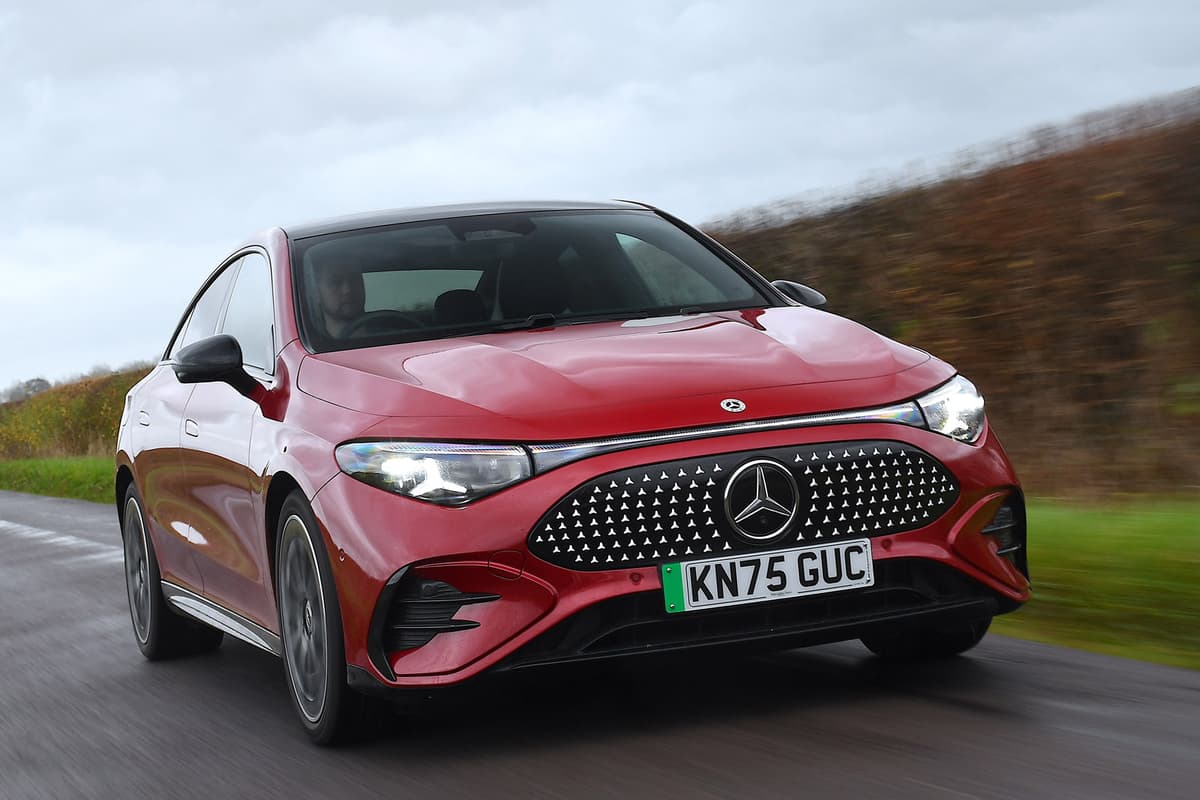
Mercedes-Benz CLA Electric
Comments
Want to join the conversation?
Loading comments...