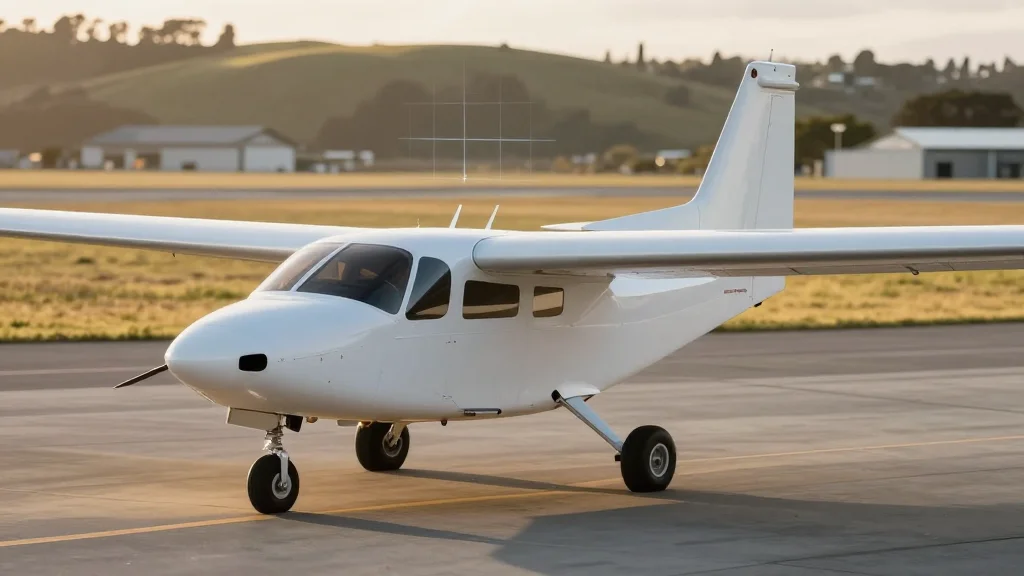
Merlin Aims for Commercial Autonomous Fixed Wing Aircraft Cargo Operations in New Zealand Next Year
Companies Mentioned
Why It Matters
Certified autonomous cargo flights could dramatically lower logistics costs, open remote routes, and set a regulatory precedent that accelerates worldwide adoption of autonomous aviation.
Key Takeaways
- •Merlin targets first autonomous cargo flights in New Zealand by 2027.
- •Hundreds of test flights logged using AI‑driven Merlin Pilot system.
- •Dual certification path with New Zealand CAA and U.S. FAA underway.
- •Platform designed for multiple airframes and both commercial and defense use.
- •Success could accelerate global shift to autonomous revenue aviation.
Pulse Analysis
Merlin Labs is positioning itself at the forefront of a paradigm shift in air logistics by targeting a 2027 rollout of fully autonomous cargo flights from New Zealand. The company’s AI‑driven Merlin Pilot system, already proven in hundreds of test sorties, promises to eliminate the need for onboard crew, potentially cutting operating expenses and enabling tighter scheduling on routes that are currently marginal or unserved. By leveraging a remote test hub in Kerikeri, Merlin can simulate the harsh weather and rugged terrain that challenge traditional aircraft, ensuring the autonomy stack is robust before commercial deployment.
Achieving certification is the most formidable hurdle for autonomous aviation, and Merlin is tackling it on two fronts. The firm works closely with the New Zealand Civil Aviation Authority, whose relatively agile regulatory environment offers a pragmatic proving ground, while simultaneously aligning its safety case with the U.S. FAA’s stringent standards. This dual‑track approach not only accelerates the path to market but also creates a template for future cross‑jurisdictional approvals, signaling to regulators worldwide that autonomous systems can meet, and even exceed, existing safety benchmarks.
Beyond commercial freight, Merlin’s platform is engineered for versatility, supporting both civilian cargo and defense missions. The ability to retrofit multiple airframes with a single autonomy suite could spur a wave of retrofits across legacy fleets, extending their economic life and reducing the carbon footprint of aviation. If Merlin succeeds, the ripple effect may prompt airlines, logistics providers, and military operators to reevaluate fleet strategies, ultimately reshaping the economics and geography of air transport. The industry will be watching closely as the first autonomous revenue flight takes off, setting the tone for the next decade of autonomous flight.
Merlin aims for commercial autonomous fixed wing aircraft cargo operations in New Zealand next year
Comments
Want to join the conversation?
Loading comments...