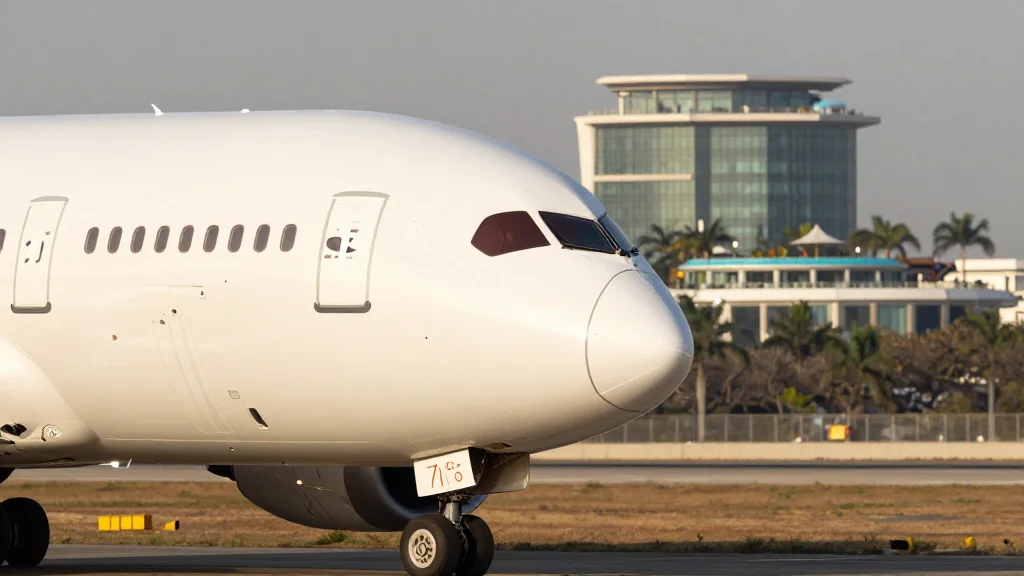
Mexico’s Volaris Delays 2027-28 Deliveries to 2033
Companies Mentioned
Why It Matters
The delay compresses Volaris’s capacity‑growth window, potentially ceding market share to rivals and affecting its earnings outlook. Investors and partners must reassess cash‑flow projections and competitive positioning in a rapidly expanding Latin American market.
Key Takeaways
- •Volaris pushes 2027‑28 aircraft deliveries to 2033
- •Delay adds five‑year gap in fleet expansion
- •Airbus A320‑200N backlog drives postponement
- •Capacity growth may lag behind Mexican market demand
Pulse Analysis
Volaris has built its brand on aggressive low‑fare expansion, leveraging a modern fleet of Airbus A320 family jets to capture price‑sensitive travelers across Mexico and the U.S. Southwest. The carrier’s original plan called for a steady influx of new A320‑200N aircraft beginning in 2027, a move designed to support new routes, increase frequency on high‑density corridors, and secure valuable airport slots. By shifting these deliveries to 2033, Volaris now faces a five‑year vacuum in capacity growth that could stall its ambition to become the region’s largest low‑cost airline.
Industry analysts point to a confluence of factors behind the delay. Airbus is grappling with a global production bottleneck caused by supply‑chain disruptions and a surge in demand from legacy carriers, which pushes out delivery slots for newer orders. Additionally, Volaris’s financing arrangements, tied to projected cash flows from the anticipated fleet boost, may have been strained by higher fuel prices and a modest slowdown in tourism post‑pandemic. Regulatory approvals for new aircraft registrations in Mexico have also experienced backlogs, further complicating the timeline. Together, these pressures have forced the airline to renegotiate its order book and explore interim solutions such as short‑term leases.
The postponement carries strategic implications for both Volaris and the broader Mexican aviation market. Competitors like Aeroméxico and emerging ultra‑low‑cost players could capture demand that Volaris intended to serve with its expanded fleet, potentially reshaping route dynamics and fare structures. Investors will likely scrutinize the airline’s revised financial guidance, focusing on how the delayed capacity will affect revenue growth, unit economics, and debt service. To mitigate the impact, Volaris may accelerate the use of existing aircraft, pursue lease‑back arrangements, or adjust its network strategy to prioritize high‑yield routes. Ultimately, the delay underscores the vulnerability of growth‑focused carriers to global supply constraints and highlights the importance of flexible fleet planning in a volatile market.
Mexico’s Volaris delays 2027-28 deliveries to 2033
Comments
Want to join the conversation?
Loading comments...