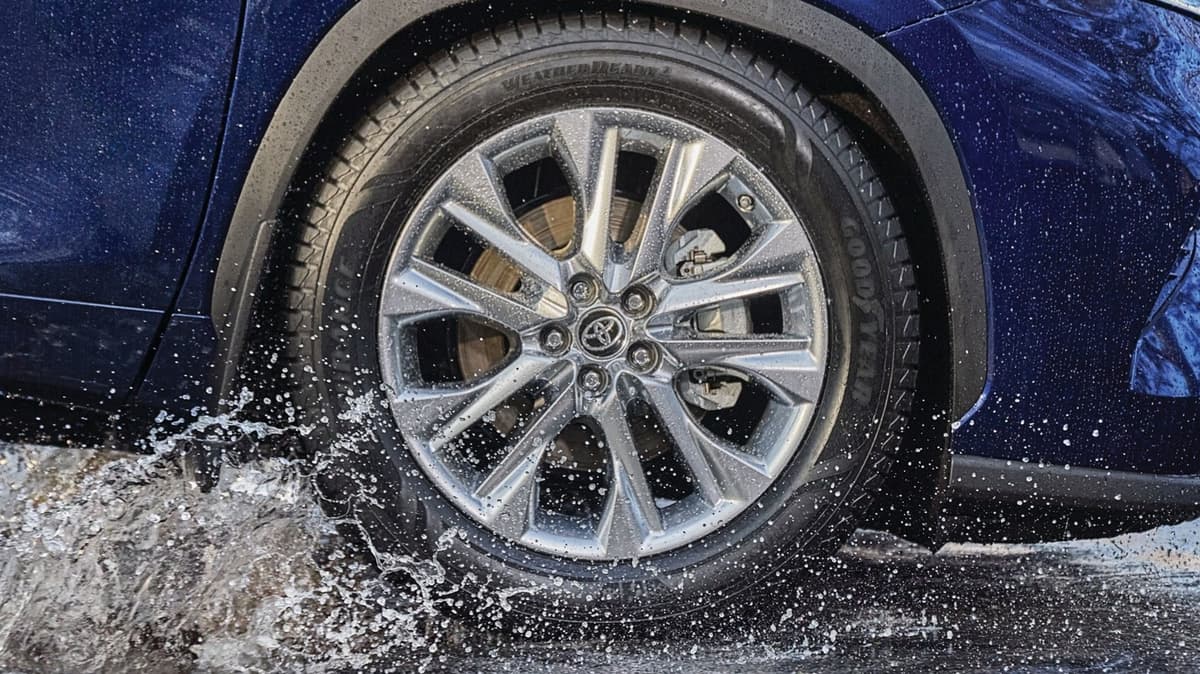
Michelin CrossClimate 2 Vs Goodyear WeatherReady 2: How Do The Two Tires Compare?
Why It Matters
The comparison helps buyers weigh mileage longevity against on‑road comfort, influencing total cost of ownership for both fleet operators and private drivers. As climate variability increases, selecting the right all‑season tire becomes a strategic safety and budget decision.
Key Takeaways
- •Michelin CrossClimate 2 offers ~23,000 more miles warranty than Goodyear
- •Goodyear WeatherReady 2 delivers quieter ride on rough roads via Comfort Flex
- •Both tires feature V‑shaped tread and 60,000‑mile warranties over $100
- •WeatherReady 2’s Wear Gauge and AquaTred improve wet‑condition confidence
- •Testing shows handling and braking performance are largely comparable
Pulse Analysis
The all‑season tire segment has become a battleground for legacy manufacturers seeking to combine longevity, safety and comfort in a single package. Michelin’s CrossClimate 2 and Goodyear’s WeatherReady 2 represent the premium tier of this competition, each priced above $100 per tire and backed by a 60,000‑mile limited warranty. Michelin leans on its Thermal Adaptive Tread to keep the rubber supple in cold climates, while Goodyear emphasizes wet‑road confidence with AquaTred and a built‑in Wear Gauge. Both models carry the V‑shaped tread pattern that promises balanced traction across dry, wet and light‑snow conditions, positioning them as direct replacements for drivers who want year‑round performance without swapping tires seasonally.
Independent testing by the YouTube channel Jack Talks Tires put the two models through identical wet‑dry, cornering and braking drills, revealing a surprisingly narrow performance gap. The CrossClimate 2 edged out the WeatherReady 2 in projected mileage, offering roughly 23,000 extra miles before warranty expiration, a claim supported by Michelin’s durability‑focused compound. Conversely, Goodyear’s Comfort Flex sidewalls absorbed bumps more effectively, delivering a quieter cabin on rough surfaces, and its Evolving Traction Grooves maintained grip later in the tread life. The Wear Gauge proved a practical feature for owners monitoring tread depth, especially in regions with frequent rain or slush.
For fleet managers and everyday motorists, the decision hinges on whether mileage longevity or ride comfort carries more weight. At a similar price point, the CrossClimate 2 may lower total cost of ownership for high‑mileage drivers, while the WeatherReady 2 offers a marginal advantage in noise reduction and wet‑road assurance. Both tires meet the growing consumer demand for versatile, year‑round solutions, a trend amplified by unpredictable weather patterns across the United States. As manufacturers continue to embed smart‑tread technologies, buyers can expect even tighter differentiation, making side‑by‑side comparisons like this essential before a purchase.
Michelin CrossClimate 2 Vs Goodyear WeatherReady 2: How Do The Two Tires Compare?
Comments
Want to join the conversation?
Loading comments...