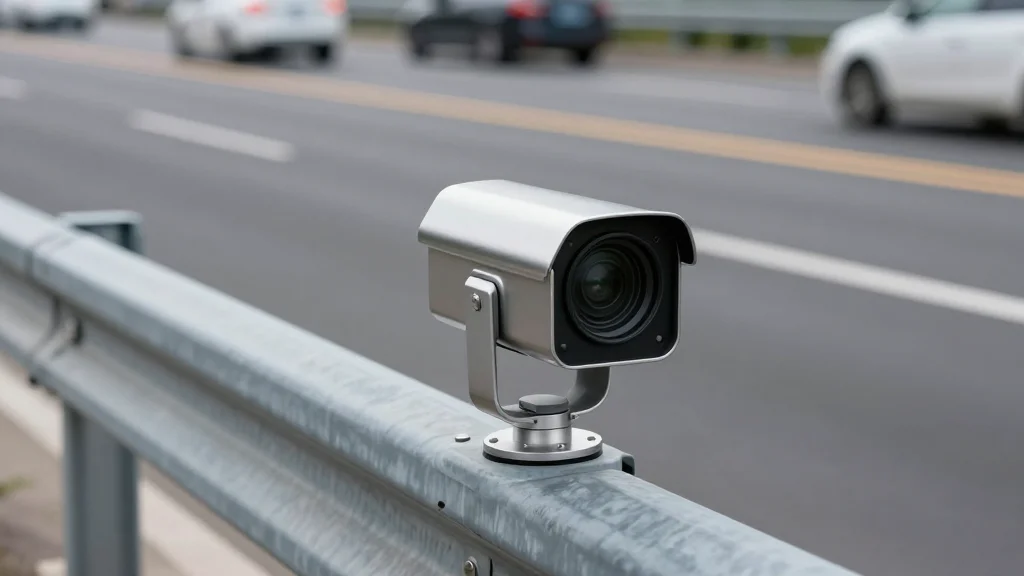
Michigan Grants Permits for Border Patrol License‑Plate Cameras on Six State Highways

Why It Matters
The deployment of federal license‑plate readers on Michigan's highways illustrates how transportation assets are increasingly leveraged for immigration enforcement, raising questions about the balance between security and civil liberties. If courts or legislators curtail the practice, it could set a precedent for other states grappling with similar federal requests, potentially reshaping the role of state transportation departments in national security initiatives. Beyond Michigan, the controversy may influence how other jurisdictions negotiate permits for federal surveillance equipment, prompting a reevaluation of transparency standards and oversight mechanisms for technologies that collect vast amounts of vehicular data.
Key Takeaways
- •MDOT approved permits for six Border Patrol license‑plate readers on highways including I‑75, I‑94, I‑131 and I‑69.
- •The cameras were first installed in 2024 on I‑69 in Branch County and are funded and maintained by CBP and HSI.
- •Immigrant‑rights groups claim the secret cameras enable unlawful stops and violate constitutional rights.
- •MDOT deputy director Jocelyn Garza says the department cannot restrict federal law‑enforcement actions that meet specifications.
- •Potential legislative and legal challenges could alter how states handle federal surveillance requests on transportation infrastructure.
Pulse Analysis
The Michigan camera rollout is a microcosm of a national trend where transportation corridors double as enforcement tools. Historically, highway infrastructure has been a neutral conduit for commerce; today, it is a data‑rich environment that agencies can exploit for immigration monitoring. This shift reflects a broader securitization of public spaces, driven by advances in automated license‑plate recognition (ALPR) technology and a political climate that prioritizes border control.
From a market perspective, the growing demand for ALPR installations creates opportunities for private vendors, yet it also fuels public backlash that can stall projects and invite regulatory scrutiny. Companies supplying the hardware may see short‑term revenue gains, but long‑term viability will depend on navigating privacy legislation and state‑level pushback. Moreover, the lack of transparency about camera locations erodes public trust, potentially prompting stricter data‑governance rules that could limit the scope of future deployments.
Looking ahead, the outcome of any legal challenges in Michigan could set a de‑facto standard for the nation. If courts affirm the state's limited authority to block federal surveillance on state roads, other states may follow suit, normalizing the practice. Conversely, a ruling that empowers states to veto such installations would force federal agencies to seek alternative enforcement strategies, perhaps shifting focus to ports of entry or leveraging other surveillance modalities. Either scenario will reshape the intersection of transportation policy, technology, and immigration enforcement for years to come.
Michigan Grants Permits for Border Patrol License‑Plate Cameras on Six State Highways
Comments
Want to join the conversation?
Loading comments...