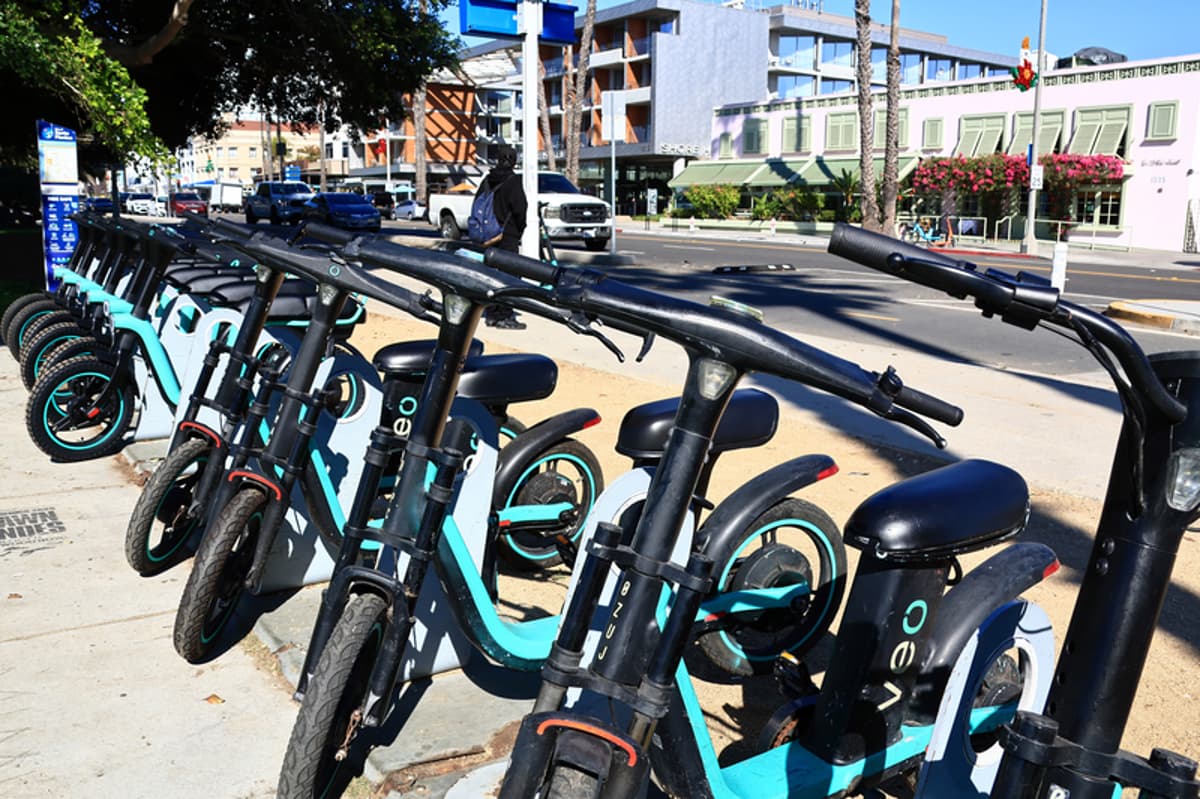
Micromobility Use Rises as Fuel Costs Reshape Short Trips
Why It Matters
These shifts could reduce urban congestion and accelerate car‑light lifestyles, influencing transportation planning and automotive market demand.
Key Takeaways
- •Fuel price spikes push car owners to micromobility.
- •Survey of 2,000+ riders shows short‑trip substitution.
- •33% say micromobility delays vehicle purchase.
- •Behavior may be temporary, but can reduce congestion.
- •Veo will monitor rider shifts as gas prices change.
Pulse Analysis
Gasoline prices in the United States have surged to multi‑year highs, squeezing commuters’ budgets and prompting a search for cheaper alternatives. Shared micromobility—electric scooters, dockless bikes, and similar services—offers a low‑cost, door‑to‑door solution for trips under five miles, a segment that traditionally accounts for a large share of urban vehicle mileage. Industry analysts note that when fuel costs climb, riders are quick to test these options, creating a ripple effect that can reshape travel patterns in dense cities.
The Veo survey, conducted via an in‑app prompt and yielding more than 2,000 responses, provides a snapshot of that behavior. While the incentive‑driven approach may skew toward engaged users, the data reveal that a majority of car‑accessable respondents are substituting short drives with scooters or bikes, and one‑third claim micromobility has delayed a vehicle purchase. Such findings echo earlier 2025 results showing 41% of riders lack car access altogether, underscoring the technology’s role in supporting car‑light households and influencing automotive sales forecasts.
Looking ahead, operators and city planners are watching these trends closely. If fuel price volatility persists, temporary trial use could solidify into lasting habits, easing congestion and lowering emissions in metropolitan corridors. Municipalities may respond with dedicated lanes, parking zones, and incentive programs to capture the mobility shift, while automakers could adjust product strategies toward electric or subscription models. Continuous monitoring, like Veo’s promised follow‑up studies, will be essential to gauge whether short‑term price shocks translate into durable, policy‑driven transformation of urban travel.
Micromobility use rises as fuel costs reshape short trips
Comments
Want to join the conversation?
Loading comments...