Middle East Conflict Continues Shaking Supply Chains, WTO Suggests
Companies Mentioned
Why It Matters
Escalating geopolitical risk in a key chokepoint inflates shipping and air‑freight costs, squeezing margins for carriers and raising prices for end‑consumers worldwide.
Key Takeaways
- •Strait of Hormuz conflict raises maritime shipping costs
- •Alternative land routes are congested, increasing operator expenses
- •IATA reports 46.6% drop in Middle East passenger demand
- •WTO urges cooperation to protect freedom of navigation
Pulse Analysis
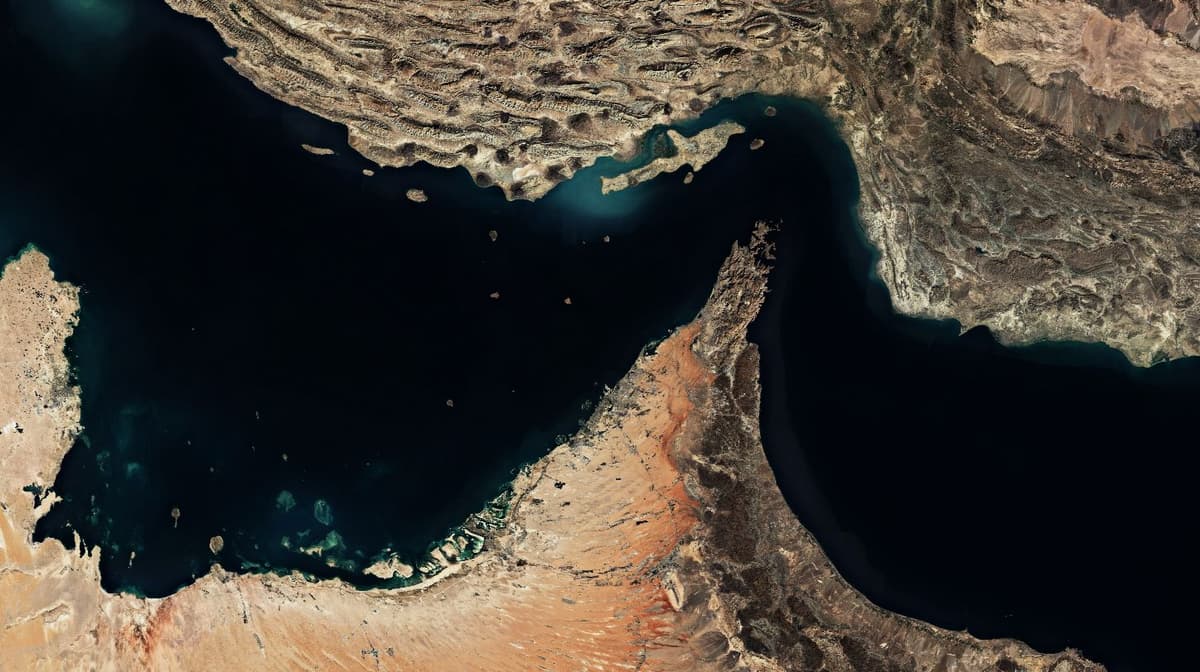
The Strait of Hormuz, a narrow waterway that funnels roughly a fifth of global oil shipments, has re‑emerged as a flashpoint for supply‑chain volatility. At a WTO‑hosted forum, executives from MSC, CMA CGM, COSCO and other industry leaders highlighted how intermittent closures and heightened security measures force carriers to reroute vessels, extending transit times and inflating freight rates. This maritime bottleneck compounds broader logistics challenges, prompting shippers to evaluate costly alternatives while governments grapple with the geopolitical fallout.
Parallel to the seaborne disruption, the air‑transport sector faces its own turbulence. IATA’s April 2026 data revealed a 46.6% collapse in passenger demand across the Middle East, a decline that dragged global demand down 3.4%. Simultaneously, jet‑fuel prices more than doubled, eroding airline profitability and prompting carriers to trim schedules. The convergence of reduced demand and soaring fuel costs threatens to tighten capacity, potentially spilling over into higher air‑freight rates for time‑critical shipments.
WTO Director‑General Ngozi Okonjo‑Iweala underscored the strategic imperative of preserving freedom of navigation, urging coordinated action between governments and the private sector. By reinforcing multilateral norms and investing in resilient infrastructure—both maritime and overland—the global trade system can better absorb shocks from regional conflicts. Stakeholders who anticipate these dynamics and diversify routing strategies will be positioned to mitigate cost spikes and maintain supply‑chain continuity in an increasingly volatile geopolitical landscape.
Middle East conflict continues shaking supply chains, WTO suggests
Comments
Want to join the conversation?
Loading comments...