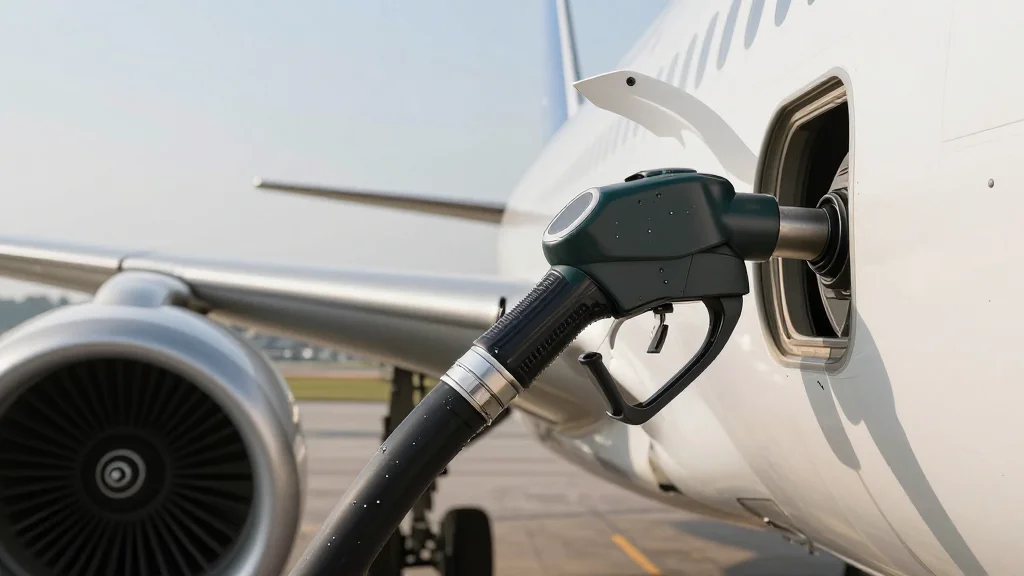
Middle East Conflict Triggers Jet‑Fuel Shortage Threat as Crude Supplies Falter

Why It Matters
Jet fuel is the single largest operating expense for airlines, typically accounting for 20‑30 % of total costs. A sustained price surge above $120 a barrel can erode profit margins, force ticket‑price increases, and reduce flight frequencies, directly affecting global mobility and tourism revenue. The shortage also highlights the fragility of supply chains that depend on a narrow set of maritime chokepoints, underscoring the strategic importance of diversifying energy routes and investing in alternative fuels. For the broader transportation ecosystem, the crisis illustrates how geopolitical flashpoints can cascade through multiple sectors—from aviation to petrochemical‑based manufacturing—creating a ripple effect that raises costs for consumers and businesses alike. Policymakers and industry leaders must therefore consider both short‑term mitigation (fuel‑hedging, SAF adoption) and long‑term resilience measures (alternative supply routes, strategic reserves) to safeguard global mobility.
Key Takeaways
- •Brent crude rose from $72 to $120 per barrel after the Strait of Hormuz closure
- •IEA reported a loss of 12 million barrels per day, 11.5 % of global demand
- •Jet‑fuel cost exposure for major airlines jumped 15‑20 %
- •Karex CEO Goh Miah Kiat warned of a 30‑50 % rise in petrochemical prices
- •UN analysis urges emergency fuel‑reserve protocol and diplomatic reopening of the strait
Pulse Analysis
The jet‑fuel crunch is a textbook case of geopolitical risk translating into immediate operational pain for the aviation sector. Historically, oil‑price spikes—such as the 1973 Arab oil embargo—forced airlines to restructure fleets, accelerate fuel‑efficiency programs, and explore alternative fuels. This time, the shock is sharper and more localized, centered on a single maritime corridor that handles a disproportionate share of global oil. The rapid price escalation to $120 a barrel reflects not only reduced supply but also market panic, a classic "rockets and feathers" dynamic where prices surge faster than they can recede.
Airlines that entered the market with robust fuel‑hedging strategies will weather the storm better than those that relied on spot purchases. However, even hedged carriers face secondary pressures: higher maintenance costs for older aircraft, increased fees for ground support equipment, and the need to secure SAF at premium prices. The crisis could accelerate the industry's pivot toward SAF, but the current lack of scalable production means that any meaningful shift will take years. In the interim, carriers may prioritize route rationalization, focusing on high‑margin long‑haul flights while trimming thin, fuel‑intensive segments.
From a macro perspective, the episode underscores the strategic vulnerability of relying on narrow chokepoints for energy imports. Diversifying supply—through alternative pipelines, increased strategic reserves, or accelerated renewable‑fuel development—will be essential to blunt future shocks. Policymakers should also consider coordinated international mechanisms to keep critical waterways like the Strait of Hormuz open, as their closure reverberates far beyond oil markets into aviation, shipping, and global trade. The coming UN Energy Forum will be a litmus test for whether the international community can translate these warnings into concrete, cooperative action.
Middle East Conflict Triggers Jet‑Fuel Shortage Threat as Crude Supplies Falter
Comments
Want to join the conversation?
Loading comments...