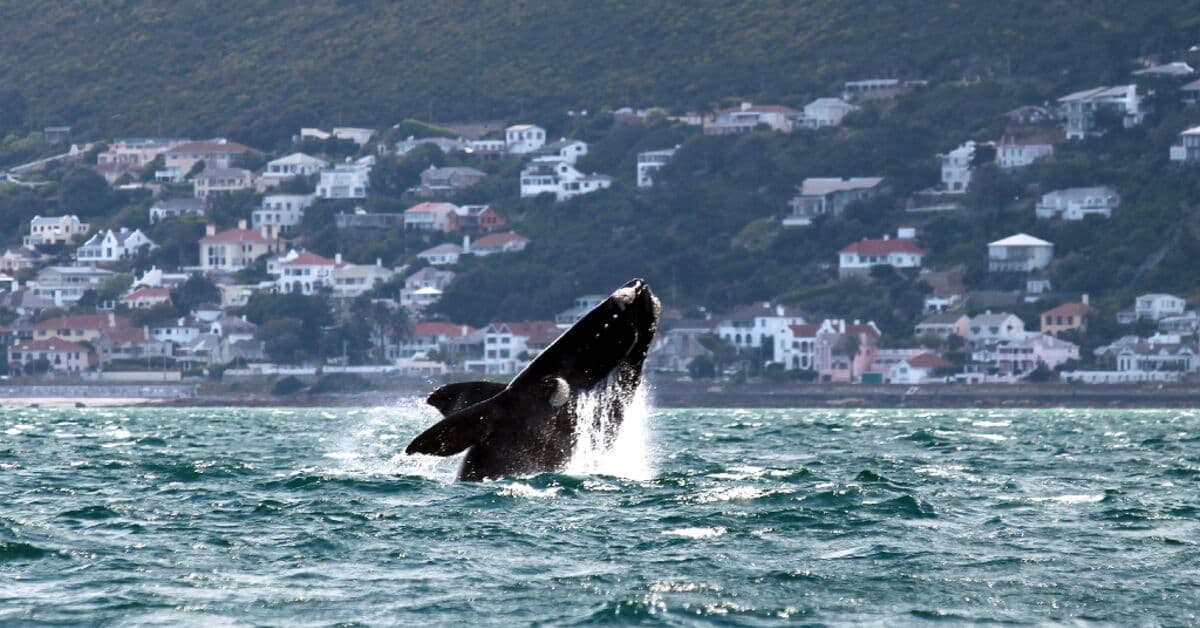
Middle East Conflicts a Danger for Whales Off S.Africa: Study
Why It Matters
The surge in maritime traffic threatens recovering whale populations and could trigger regulatory actions, impacting global shipping routes and marine conservation priorities.
Key Takeaways
- •Ship traffic around Cape of Good Hope doubled since late 2023
- •Vessels around southern Africa rose to 89/month, up from 44
- •Whale‑ship collision risk increased fourfold due to faster traffic
- •Shifting lanes offshore could cut strike exposure by 20‑50%
- •MSC already rerouted routes near Greece and Sri Lanka for whale protection
Pulse Analysis
The escalation of hostilities in the Middle East—most notably the Houthi hijacking of the Galaxy Leader and the US‑Israel‑Iran standoff—has forced a significant portion of global maritime traffic to bypass the Red Sea and the Strait of Hormuz. Shipping companies now favor the Cape of Good Hope, a route that added negligible distance but doubled vessel density off South Africa’s southwestern coast. IMF PortWatch data show an average of 89 commercial ships transiting the region between March 1 and April 24, compared with just 44 during the same period last year. This sudden surge places marine megafauna in unprecedented proximity to high‑speed vessels.
South Africa’s waters host some of the world’s most important humpback and blue‑whale populations, and the overlap with intensified shipping corridors raises the likelihood of fatal strikes. Researchers from the University of Pretoria reported that the fastest traffic, which carries the greatest collision risk, has risen by a factor of four. Whales often fail to evade noisy, fast‑moving ships, a behavior confirmed by WWF’s Chris Johnson. A recent Science paper linked ship collisions to a substantial share of whale mortality, underscoring the urgency for targeted mitigation.
Industry and regulators are already exploring practical solutions. The International Whaling Commission paper recommends modest offshore lane adjustments that could slash strike exposure by 20‑50% with only a 20‑nautical‑mile detour. MSC has begun rerouting vessels near Greece and Sri Lanka, signaling a shift toward proactive stewardship. Emerging technologies—AI‑powered cameras, real‑time whale‑presence alerts, and dedicated apps—offer scalable ways to protect cetaceans without crippling trade. As pressure mounts, policymakers are likely to codify protective measures, making maritime compliance a new competitive factor for global shippers.
Middle East conflicts a danger for whales off S.Africa: study
Comments
Want to join the conversation?
Loading comments...