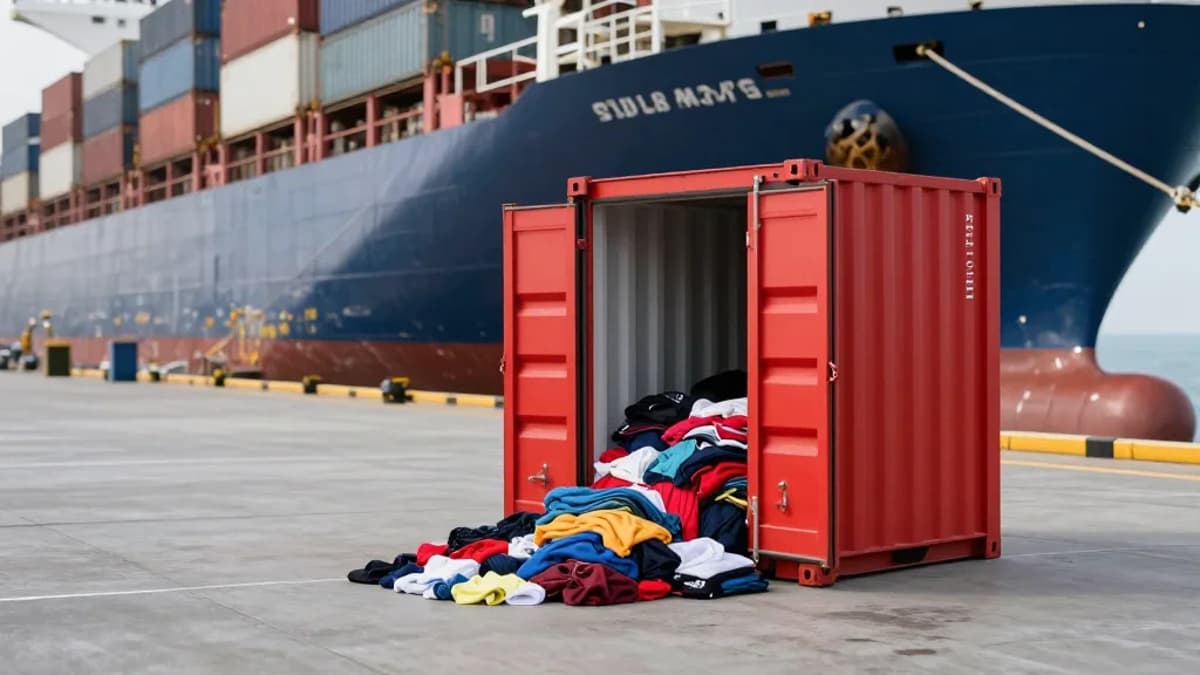
Middle East Crisis Hits Garment Export Routes
•March 5, 2026
0
Why It Matters
Longer, unpredictable transit times threaten delivery windows and inventory planning for global fashion brands, potentially inflating costs and eroding margins across the apparel supply chain.
Key Takeaways
- •Carriers divert from Suez, adding up to two weeks
- •Bangladesh most vulnerable due to garment‑export dependence
- •India, Pakistan exposed but have diversified export bases
- •Southeast Asia faces mixed impact; Europe shipments rely on Suez
- •Turkey insulated via road and short‑sea routes
Pulse Analysis
The escalation of hostilities in the Middle East has reshaped the logistics calculus for the fashion industry. Container giants are rerouting around the Cape of Good Hope, a move that not only extends sailing times but also compresses available capacity on the traditional Red Sea corridor. This shift underscores the fragility of a supply chain that has long relied on the speed and predictability of the Suez Canal for moving high‑volume garment shipments from Asian factories to European retailers.
For garment exporters, the immediate fallout is a cascade of operational challenges. Bangladesh, whose economy hinges on ready‑made garments, faces heightened risk of production bottlenecks and missed retail windows as freight delays inflate lead times. India and Pakistan, while more diversified, still see significant exposure for Europe‑bound apparel. Southeast Asian nations such as Vietnam, Thailand and Indonesia experience a split impact: European shipments suffer, whereas U.S.‑bound cargo can pivot to Pacific routes. The added transit days translate into higher inventory carrying costs, tighter cash flows, and the need for more robust contingency planning.
Brands and logistics providers are responding by diversifying routing strategies and reassessing inventory buffers. Turkey’s proximity to European markets allows a greater share of shipments to travel by road or short‑sea, offering a template for risk mitigation. Meanwhile, carriers are investing in security protocols and exploring alternative hubs to preserve service continuity. As analysts predict a prolonged security stalemate, the apparel sector may accelerate its shift toward multi‑modal, regionally balanced supply chains, reducing over‑reliance on any single maritime chokepoint.
Middle East crisis hits garment export routes
0
Comments
Want to join the conversation?
Loading comments...