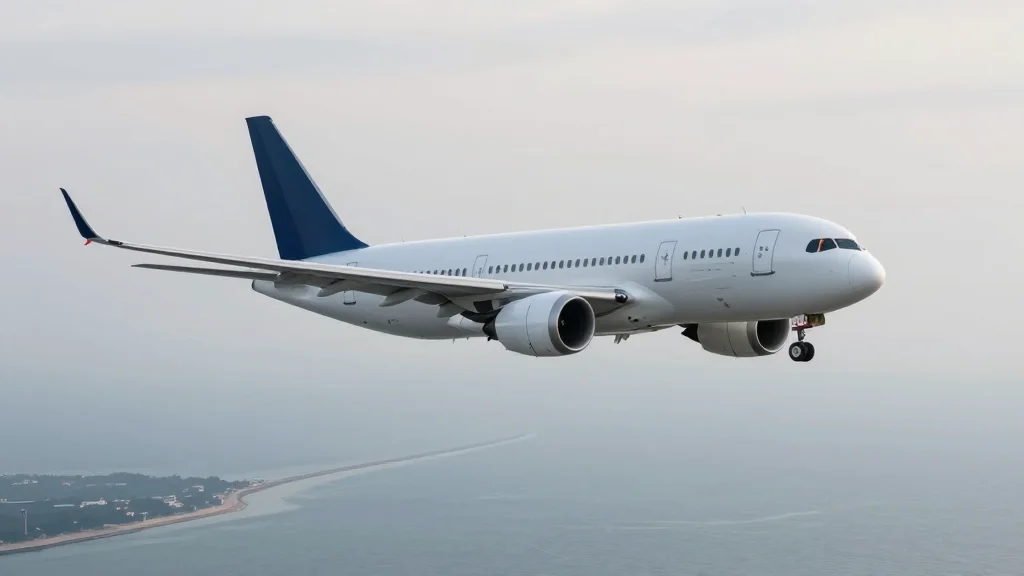
Airline Profits to Halve as Jet Fuel Shortage From Iran‑U.S. Conflict Cuts Margins

Companies Mentioned
Why It Matters
A 50% reduction in projected airline profit signals a systemic shock that could reshape the competitive landscape. Budget carriers, which rely on thin margins, face heightened bankruptcy risk, potentially accelerating consolidation in the low‑cost segment. At the same time, fare inflation erodes consumer purchasing power and may dampen travel demand, affecting tourism‑dependent economies worldwide. The jet‑fuel shortage also highlights the vulnerability of global supply chains to geopolitical flashpoints. With the Strait of Hormuz accounting for roughly a third of the world’s oil transit, any prolonged closure forces airlines to seek costlier alternatives, driving up operating expenses across the board. Policymakers and industry leaders will need to consider strategic fuel reserves, diversified sourcing, and possibly regulatory relief to mitigate future disruptions.
Key Takeaways
- •IATA projects 2026 global airline net profit at $23 billion, half the previous $41 billion forecast.
- •U.S. airlines' jet‑fuel spend rose to $5.06 billion in March 2026, up from $3.88 billion in March 2025.
- •Average ticket prices are more than 20% higher than a year ago.
- •Spirit Airlines ceased operations after 34 years, citing fuel costs as a decisive factor.
- •A $2.5 billion bailout request by budget carriers was rejected, leaving them exposed to the crisis.
Pulse Analysis
The IATA profit downgrade is more than a quarterly accounting adjustment; it reflects a structural shock that could accelerate long‑term shifts in airline business models. Historically, fuel price spikes have prompted carriers to invest in more fuel‑efficient fleets, but the speed and magnitude of the current shortage leave little time for capital‑intensive fleet renewal. Consequently, we may see a surge in short‑term measures—such as aggressive fare hikes and route rationalization—while the industry debates the viability of accelerated adoption of sustainable aviation fuels (SAFs) and electric propulsion.
Budget airlines have traditionally thrived on price‑sensitive travelers, but the current environment squeezes that core advantage. The failure of Spirit and the rejected bailout request suggest that the low‑cost segment could contract, creating acquisition opportunities for larger carriers seeking market share. This consolidation could reduce competition on domestic routes, potentially leading to higher fares in the mid‑range market.
From a macro perspective, the jet‑fuel shortage underscores the strategic risk of over‑reliance on a single maritime chokepoint for energy imports. Airlines, like other energy‑intensive industries, may lobby for diversified fuel supply corridors or increased strategic petroleum reserves. In the near term, investors will watch airline earnings reports closely for signs of cash‑flow strain, while regulators may be pressured to consider temporary relief measures, such as fuel tax adjustments or subsidies, to preserve connectivity and prevent a cascade of bankruptcies that could destabilize the broader travel ecosystem.
Airline profits to halve as jet fuel shortage from Iran‑U.S. conflict cuts margins
Comments
Want to join the conversation?
Loading comments...