Why It Matters
The event underscores the vulnerability of Midwestern infrastructure to extreme weather, driving costly repairs, disrupting education, and highlighting the need for resilient emergency planning as climate‑driven storms intensify.
Key Takeaways
- •Wisconsin declares emergency after record rainfall floods highways
- •Three tornadoes confirmed; more severe weather expected across Midwest
- •Michigan schools and ice arenas suffer structural damage and power loss
- •Power outage kills 1,750 steelhead trout at Michigan fish facility
- •Flood watches issued for Michigan, Indiana, Ohio, Illinois, and Wisconsin
Pulse Analysis
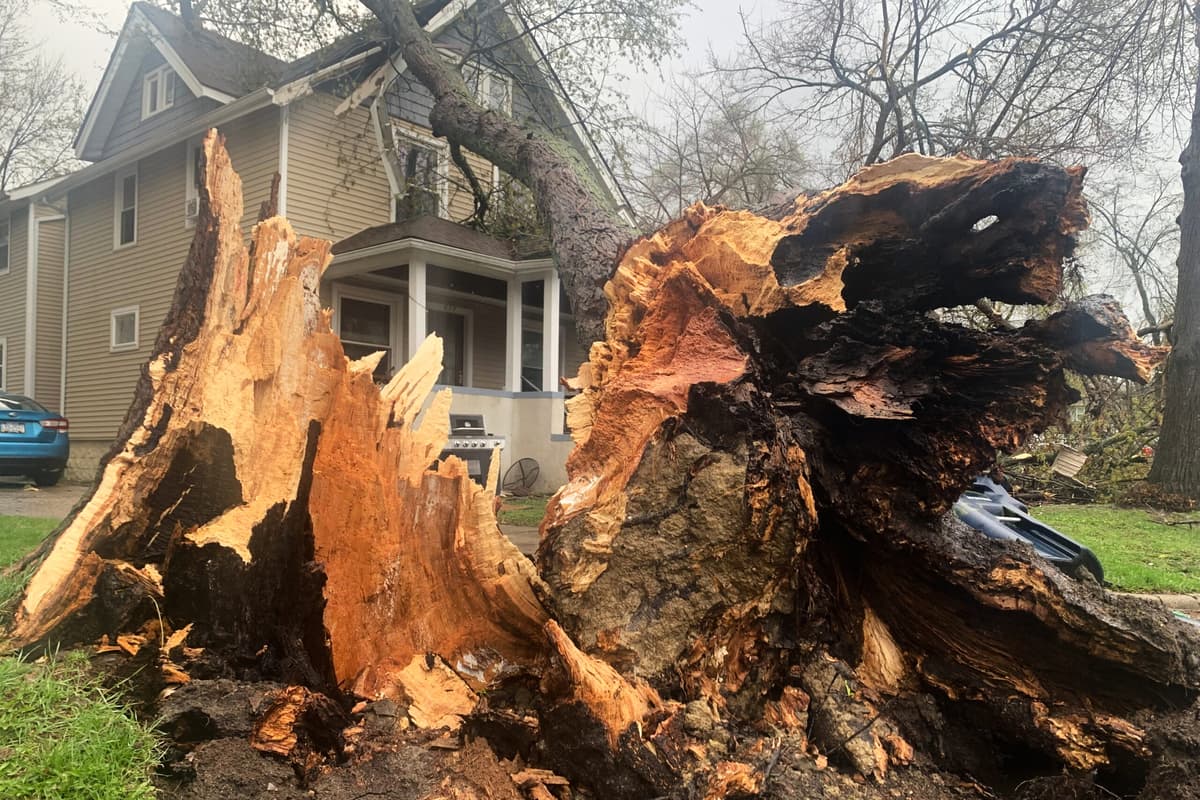
The April 15 storm complex combined a deep plume of moist air with a powerful jet stream, spawning hail, damaging winds, and multiple tornadoes across the Great Lakes region. In Wisconsin, floodwaters swamped Milwaukee’s highways, prompting rescues of drivers and a statewide emergency declaration. Michigan’s northern and southern communities faced a different set of challenges: structural damage to school buildings and university ice arenas, widespread power outages, and a tragic loss of 1,750 steelhead trout when a hatchery’s oxygen supply failed. These immediate impacts illustrate how a single weather system can strain municipal resources, disrupt daily life, and trigger costly emergency responses.
Beyond the human toll, the storms have significant economic ramifications. Repairing damaged infrastructure—roads, bridges, school facilities, and arena roofs—will run into millions of dollars, while business interruptions and school closures add hidden costs. The fish kill represents a loss for the state's aquaculture sector and highlights the fragility of critical utilities during power failures. Insurance claims are expected to surge, and state and local governments will need to allocate emergency funds, potentially diverting resources from other priorities.
Meteorologists attribute the severity of this event to a “very dynamic weather pattern” that is becoming more frequent as climate change amplifies atmospheric moisture and jet‑stream variability. The system’s north‑east trajectory suggests similar threats could recur throughout the summer, with heat spikes already forecast for the Northeast. Policymakers and planners must therefore prioritize climate‑resilient infrastructure, improve early‑warning systems, and invest in flood‑plain management to mitigate future disruptions and protect communities across the Midwest.
Midwest States Reel from Severe Storms
Comments
Want to join the conversation?
Loading comments...