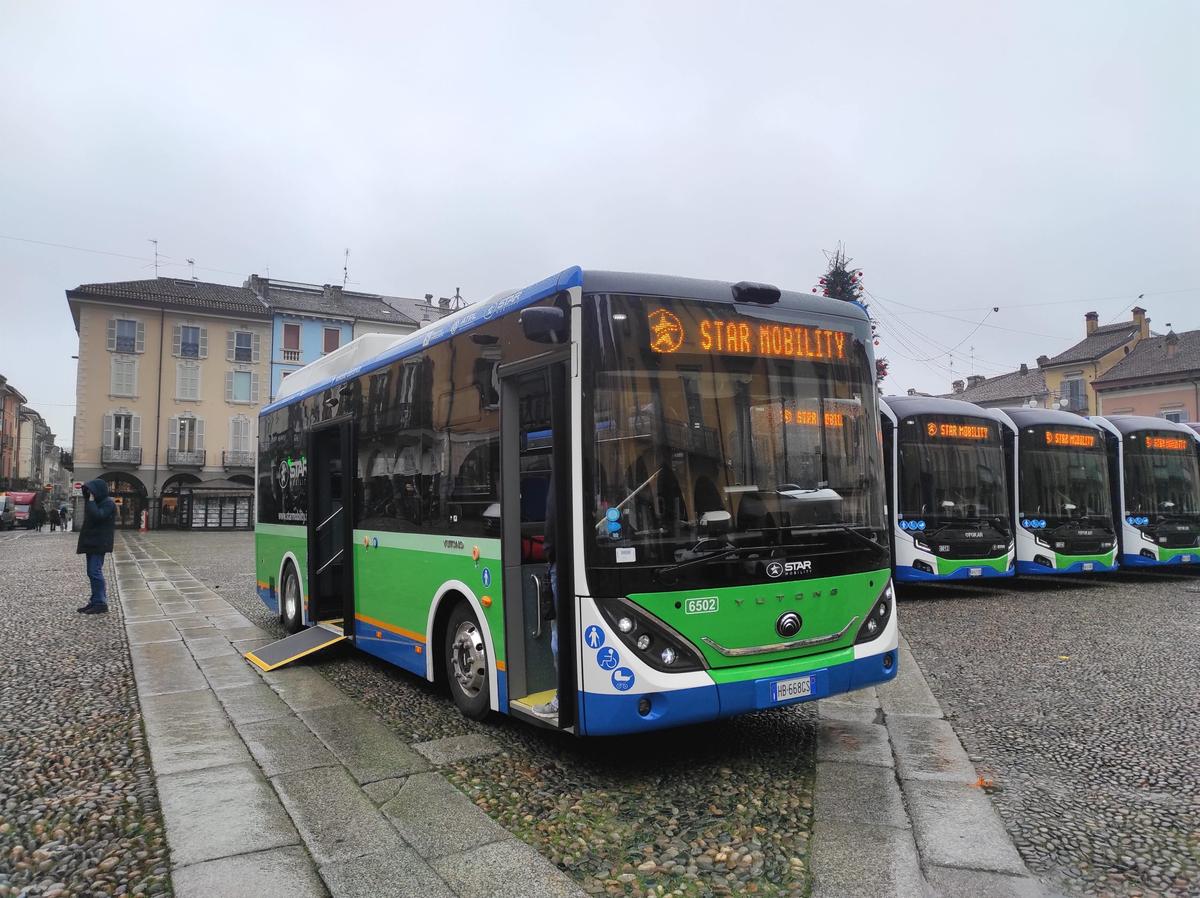
Milan Metropolitan PTA Launches €1.25bn 7-Year Bus Concession Tender Under Gross Cost Model
Why It Matters
Shifting to a gross‑cost model aligns operator incentives with passenger growth while preserving fare revenue for the authority, potentially improving service quality and financial sustainability. The €1.25 billion contract represents one of the largest bus‑service procurements in Italy, signaling strong public investment in greener, higher‑capacity transit.
Key Takeaways
- •Tender worth €1.25bn (~$1.35bn) for 7‑year bus concession
- •Four lots split region, each up to €368m (~$398m)
- •Gross‑cost model shifts fare revenue to authority
- •Variable pay linked to passenger numbers, 35% of compensation
- •Public funds earmarked for fleet renewal and stop upgrades
Pulse Analysis
The Milan metropolitan area’s new bus concession marks a watershed in Italian public‑transport procurement. By bundling suburban, interurban and selected urban routes across a densely populated corridor, the €1.25 billion tender (about $1.35 billion) creates a unified framework for service delivery in Lombardy’s most economically vital region. Splitting the contract into four lots allows operators to focus on distinct geographic clusters while still pursuing economies of scale through combined bids. The deadline of 30 September 2026 gives both incumbent carriers and new entrants ample time to structure consortiums and secure financing for the ambitious service expansion.
A key differentiator is the adoption of a gross‑cost, or "incentivante," model. Unlike the traditional net‑cost approach where operators retain fare revenue, the new structure keeps ticket income under public‑authority control and compensates operators with a 65% fixed base plus a 35% variable component tied to passenger numbers. This performance‑linked pay scheme incentivizes operators to boost ridership, improve punctuality, and maintain vehicle quality, while shielding the authority from revenue volatility. The anticipated 25% rise in annual bus‑kilometres—from 34.9 million to 44.4 million—reflects a strategic push to meet growing commuter demand and reduce car dependency.
The tender also embeds a dedicated fund for fleet renewal and stop‑infrastructure upgrades, aligning with EU directives on low‑emission public transport. By earmarking public money for new vehicles, the authority can accelerate the transition to electric or hybrid buses, enhancing sustainability credentials and lowering operating costs over the concession’s lifespan. For the broader market, this large‑scale, performance‑oriented contract could set a benchmark for other Italian regions and European cities seeking to modernize bus networks while balancing fiscal responsibility with service excellence.
Milan metropolitan PTA launches €1.25bn 7-year bus concession tender under gross cost model
Comments
Want to join the conversation?
Loading comments...