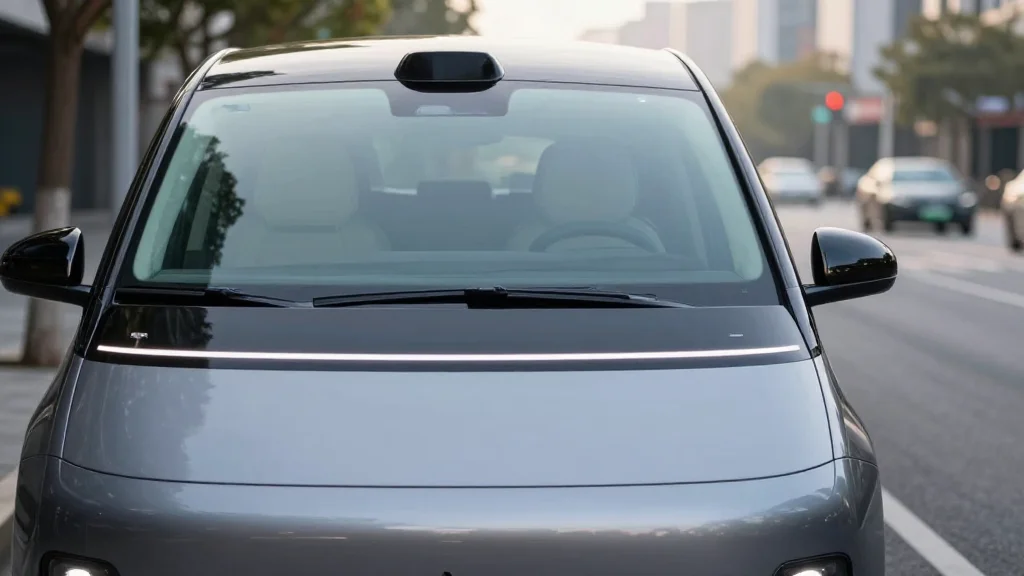
MIT Study Confirms Robotaxis Don't Reduce Traffic
Companies Mentioned
Why It Matters
The findings challenge the core promise that autonomous fleets will ease traffic, forcing city planners, regulators, and investors to reassess the expected benefits of robotaxi deployments.
Key Takeaways
- •Waymo robotaxis drove empty 36‑56% of operating time (2021‑2025).
- •Independent analysis found 44% of Waymo miles were without passengers.
- •Two‑thirds of empty miles were vehicles waiting for assignments.
- •Traffic congestion impact mirrors that of traditional ridesharing services.
Pulse Analysis
The MIT study leveraged detailed trip logs from Waymo’s California operations, cross‑referencing vehicle telemetry with passenger request timestamps. By isolating periods when cars were on the road but not carrying riders, researchers quantified “headheading” rates that peaked at more than half of total drive time during peak demand windows. This granular approach mirrors earlier academic work on rideshare platforms, reinforcing the reliability of the data and highlighting a systemic inefficiency that autonomous fleets inherit from their human‑driven predecessors.
From a policy perspective, the results raise red flags for municipalities that have earmarked robotaxi pilots as a traffic‑reduction strategy. If empty‑vehicle mileage remains high, the anticipated decrease in vehicle‑kilometers traveled (VKT) may never materialize, undermining congestion‑pricing models and infrastructure investment rationales. Planners may need to consider complementary measures—such as dynamic dispatch algorithms, shared‑ride incentives, or dedicated pick‑up zones—to convert the latent capacity of autonomous fleets into genuine congestion relief.
For the industry, the study serves as a wake‑up call to refine fleet management and pricing structures. Companies like Waymo, Cruise, and emerging players must improve predictive dispatch to minimize idle cruising, perhaps by integrating real‑time demand forecasting with multimodal mobility hubs. Investors, too, will scrutinize profitability metrics that hinge on vehicle utilization rates. In the longer term, the research underscores that autonomous technology alone cannot solve traffic woes; it must be paired with smarter urban design and regulatory frameworks to deliver the promised efficiency gains.
MIT study confirms robotaxis don't reduce traffic
Comments
Want to join the conversation?
Loading comments...