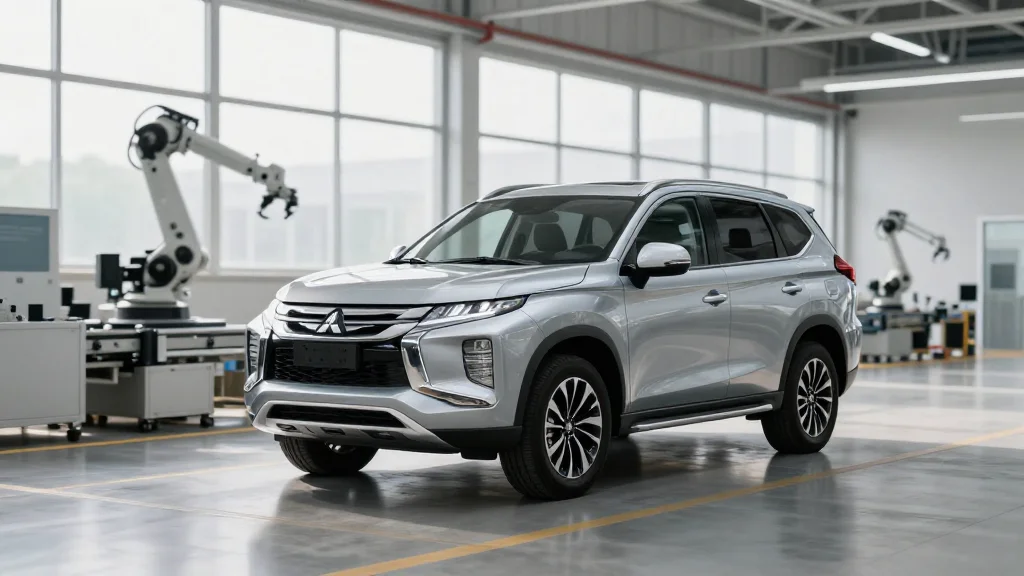
Mitsubishi’s Global Vehicle Production Rises by 18% in March
Why It Matters
The rebound signals Mitsubishi’s recovery from a year‑over‑year slump, strengthening its market share in Japan and boosting its foothold in the North American export market. Higher production and sales improve cash flow and position the automaker for upcoming electrification investments.
Key Takeaways
- •Mitsubishi produced 86,982 vehicles in March, up 18% YoY.
- •Japan output rose 26% to 51,761 units, fifth month growth.
- •Exports to North America increased 27% to 11,578 vehicles.
- •Full‑year production hit 913,279 units, slight rise over prior year.
- •Domestic sales surged 30% to 16,423 units in March.
Pulse Analysis
Mitsubishi Motors’ March production surge reflects a broader industry rebound after supply‑chain disruptions and a sluggish 2025. The 18% increase to 86,982 units was driven primarily by a 26% jump in Japanese output, where the company has streamlined its assembly lines and leveraged a refreshed model lineup. Analysts attribute the rebound to renewed consumer confidence in compact SUVs and the successful rollout of the new Outlander PHEV, which aligns with Japan’s push toward greener mobility.
Export performance also improved markedly, with North American shipments climbing 27% to 11,578 vehicles. This growth stems from higher demand for Mitsubishi’s crossover segment, particularly the Eclipse Cross, which benefits from competitive pricing and a strong dealer network. The increase in overseas production, though modest at 8%, underscores the automaker’s strategic focus on Southeast Asian plants that are better positioned to serve emerging markets while mitigating tariff exposure.
Looking ahead, Mitsubishi’s modest full‑year production rise to 913,279 units sets a foundation for its upcoming electrification roadmap. The company plans to launch three new electric models by 2028, aiming to capture a larger share of the global EV market. Investors will watch how the firm balances cost efficiencies with the capital intensity of battery technology, but the March data suggest a momentum shift that could translate into stronger earnings and a more resilient competitive stance in a rapidly evolving automotive landscape.
Mitsubishi’s global vehicle production rises by 18% in March
Comments
Want to join the conversation?
Loading comments...