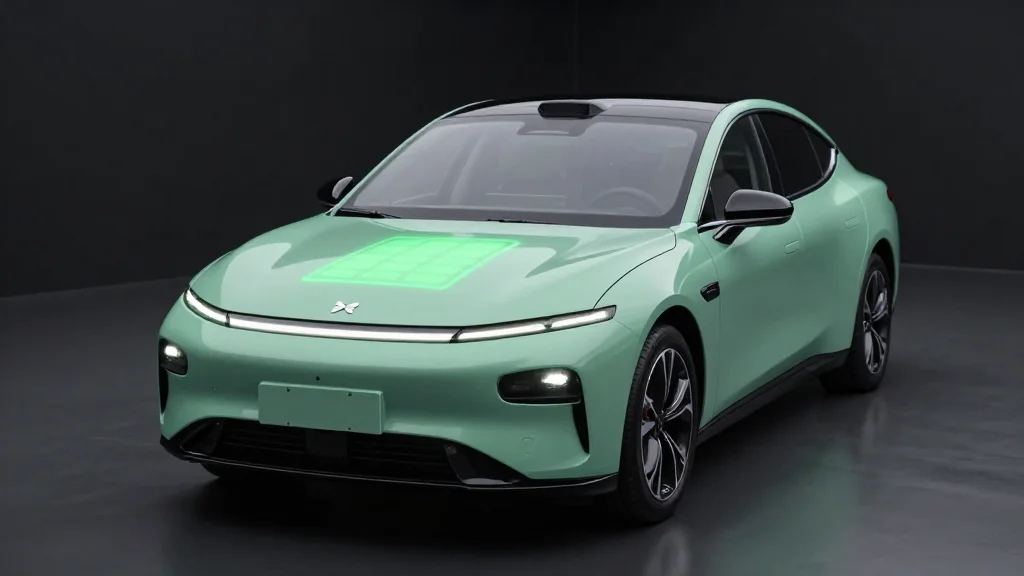
Modern EVs Barely Lose Any Range, Even After Five Years: Report
Companies Mentioned
Why It Matters
Strong range retention boosts used‑EV resale values and eases consumer range‑anxiety, accelerating broader adoption of electric mobility. It also validates automakers’ battery‑management strategies as a competitive differentiator.
Key Takeaways
- •Average EV retains 97% range after three years
- •Retention drops to 95% after five years
- •Buffers and OTA updates offset battery wear
- •Cell‑to‑pack designs raise energy density
- •Resale values improve as range stays stable
Pulse Analysis
The Recurrent analysis, based on more than a billion miles of driver data, confirms that range degradation—once a major deterrent for prospective buyers—is now marginal for most new EVs. By retaining 97% of their original EPA range after three years and 95% after five, modern electric cars deliver near‑original mileage even as the battery ages. This performance metric reshapes the narrative around "range anxiety," showing that the fear of losing usable distance is largely unfounded for contemporary models.
Technical advances underpin this durability. Automakers deliberately embed a reserve of unused cell capacity at launch, then unlock it via over‑the‑air software updates as the battery ages, effectively smoothing out degradation. Coupled with cell‑to‑pack architectures that eliminate redundant modules, higher energy‑density chemistries, sophisticated thermal‑management systems, and aerodynamic refinements, manufacturers achieve higher mileage without enlarging the pack. These engineering choices allow vehicles to maintain advertised ranges while keeping weight and cost in check.
The market implications are profound. Consistent range retention strengthens used‑EV valuations, making second‑hand purchases less risky and more attractive to cost‑conscious consumers. As more than 60 models now exceed 300 miles of EPA range in the U.S., and public charging networks expand rapidly, the combination of reliable range and infrastructure growth diminishes one of the last barriers to mass adoption. Investors and policymakers can view these trends as evidence that EVs are maturing into a stable, long‑term asset class.
Modern EVs Barely Lose Any Range, Even After Five Years: Report
Comments
Want to join the conversation?
Loading comments...