Why It Matters
The incident highlights systemic safety gaps in Thailand’s rail network, prompting regulatory scrutiny that could affect logistics costs and investor confidence across Southeast Asia’s growing transportation sector.
Key Takeaways
- •Eight fatalities and 25 injuries from train-bus collision in Bangkok
- •Collision occurred at a level crossing on a major arterial road
- •Thai authorities launch investigation into safety protocols and signaling systems
- •Transport disruption expected to affect commuter traffic during peak hours
- •Potential regulatory reforms may tighten crossing management and driver training
Pulse Analysis
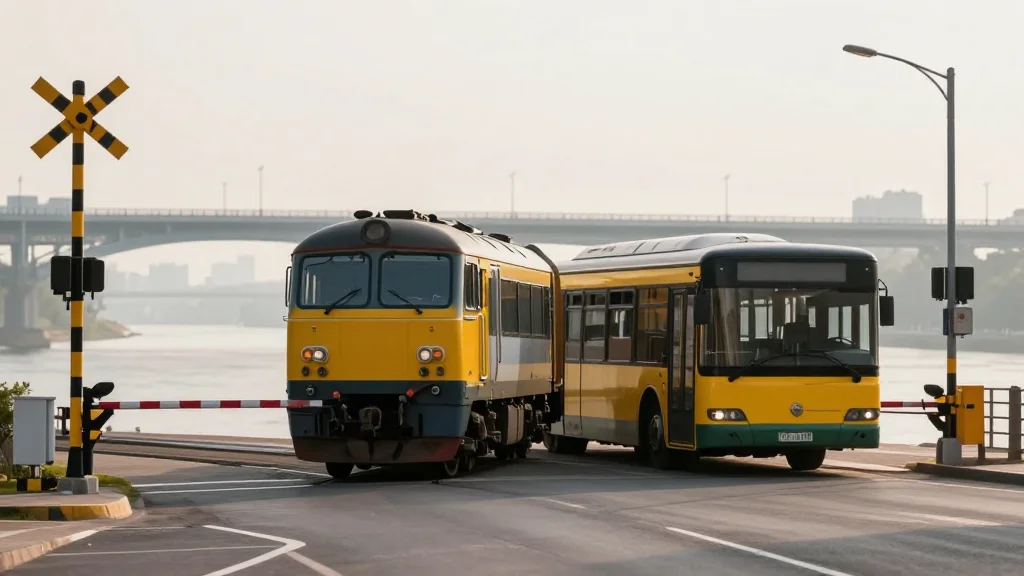
A freight train collided with a public bus on a busy Bangkok level crossing early Thursday, killing eight people and injuring 25 others, officials said. The crash occurred near the Rama IX Bridge, a critical conduit for both commuter and freight traffic, and emergency responders rushed to the scene amid heavy congestion. Preliminary reports suggest the bus may have attempted to cross despite a red signal, while the train was unable to stop in time. The tragedy has reignited public concern over the safety of Thailand’s aging rail infrastructure.
Thailand records roughly 1,200 level‑crossing incidents annually, many involving passenger vehicles, according to the Ministry of Transport. Weak enforcement of signaling systems and limited investment in automated barriers have been cited as root causes. In the past five years, high‑profile accidents in Chiang Mai and Surat Thani prompted piecemeal upgrades, yet systemic gaps remain. Analysts warn that without a coordinated national safety program, the frequency of fatal collisions could rise as freight volumes increase alongside the country’s expanding logistics sector.
For businesses, the crash underscores the financial risk tied to transport disruptions and liability exposure. Insurers may reassess premiums for rail‑linked supply chains, while logistics firms could face tighter scheduling constraints and higher compliance costs. The government’s forthcoming investigation is expected to recommend stricter crossing management, driver certification, and investment in signal automation—measures that could improve safety but also raise capital expenditures for operators. Regional investors will likely monitor how Thailand balances growth ambitions with the need for robust infrastructure governance.
Moment of deadly train crash in Bangkok
Comments
Want to join the conversation?
Loading comments...