Key Takeaways
- •Zurich’s rooftops act as citywide climate shield
- •Denver RTD service gaps cost taxpayers millions
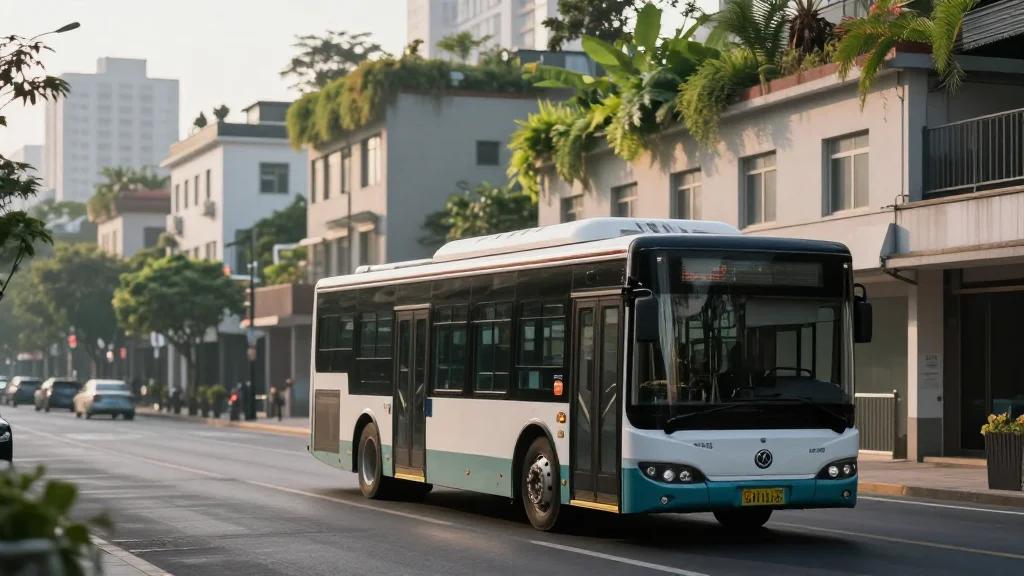
- •Madison’s electric buses survive extreme cold tests
- •EU‑centric zoning reforms push 100‑year planning
- •Truck emissions in Australia raise health concerns
Pulse Analysis
Green‑roof initiatives like Zurich’s are gaining traction as cities search for scalable climate mitigation tools. By converting existing roof surfaces into vegetated layers, municipalities can lower urban heat islands, capture stormwater, and sequester carbon without expanding land use. The model demonstrates how retrofitting built environments can deliver measurable emissions reductions while enhancing livability, a template that other dense cities are beginning to emulate.
Transit reliability remains a flashpoint for urban economies, as illustrated by Denver’s RTD contractor missing service benchmarks. The shortfall not only erodes rider confidence but also inflates operational costs, forcing taxpayers to subsidize unmet service levels. Meanwhile, Madison’s electric bus fleet showcases the durability of zero‑emission vehicles under extreme weather, reinforcing the case for broader electrification of public transit despite concerns about cold‑weather performance. Coupled with emerging zoning reforms that advocate for 100‑year planning horizons, these trends signal a shift toward long‑term, resilient infrastructure strategies.
Beyond transportation, the episode highlighted ancillary challenges such as truck‑related air pollution in Australia and the hidden economic toll of downtown freeways. Advances in traffic‑signal technology, like Nashville’s adaptive systems, promise to alleviate congestion and reduce emissions, while studies on urban aesthetics underscore the importance of design in fostering civic pride. Collectively, these narratives underscore a growing consensus: sustainable, equitable, and forward‑looking policies are essential for the next generation of thriving cities.
Mondays 187: Missing Service We Paid For
Comments
Want to join the conversation?