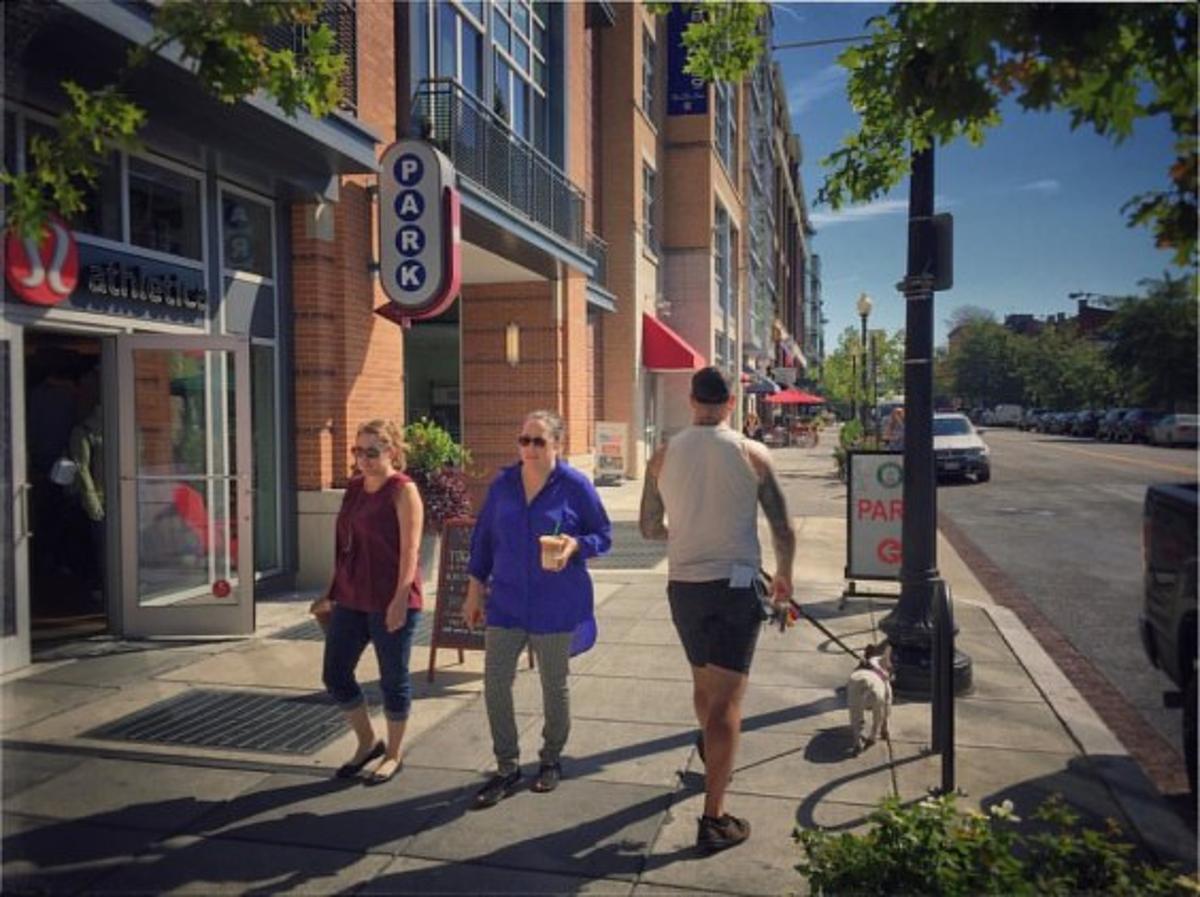
Monday’s Headlines Take a Walk on the Not-So-Wild Side
Key Takeaways
- •Pedestrian‑friendly design improves mental health via social interaction
- •Federal transit funds allocate only 16% to local roads
- •States launch initiatives to cut transportation carbon emissions
- •California approves $590M loan for Bay Area transit agencies
- •Cities adopt safety measures: bike‑lane cameras, Vision Zero updates
Pulse Analysis
Evidence linking walkable urban environments to better mental health is gaining traction among city planners and public‑health officials. Studies suggest that pedestrian‑oriented streets foster spontaneous social encounters, reducing stress and loneliness. This emerging data is prompting municipalities to prioritize sidewalk upgrades, traffic calming, and mixed‑use development, positioning walkability as a public‑health objective as much as a transportation goal.
At the same time, a funding disconnect threatens to stall progress. Only 16 percent of federal transportation dollars reach cities and counties, even though they control 43 percent of the nation’s road network. State‑level programs, such as the State Smart Transportation Initiative, aim to fill the gap by targeting carbon‑reduction projects, while California’s recent $590 million loan to Bay Area transit agencies illustrates how targeted financing can sustain essential services. These financial dynamics underscore the need for a more balanced allocation model that aligns federal resources with local infrastructure responsibilities.
Safety innovations and Vision Zero commitments are reshaping how communities address traffic fatalities. From Baltimore’s expanded bike‑lane cameras to a Nashville‑based device that illuminates crosswalks at night, technology is being leveraged to protect vulnerable road users. Concurrently, cities like Reading and Burlington are revising Vision Zero plans in response to recent cyclist deaths, reflecting a broader shift toward data‑driven, zero‑tolerance policies for traffic deaths. Together, these trends suggest a future where pedestrian health, equitable funding, and advanced safety measures converge to redefine urban mobility.
Monday’s Headlines Take a Walk on the Not-So-Wild Side
Comments
Want to join the conversation?