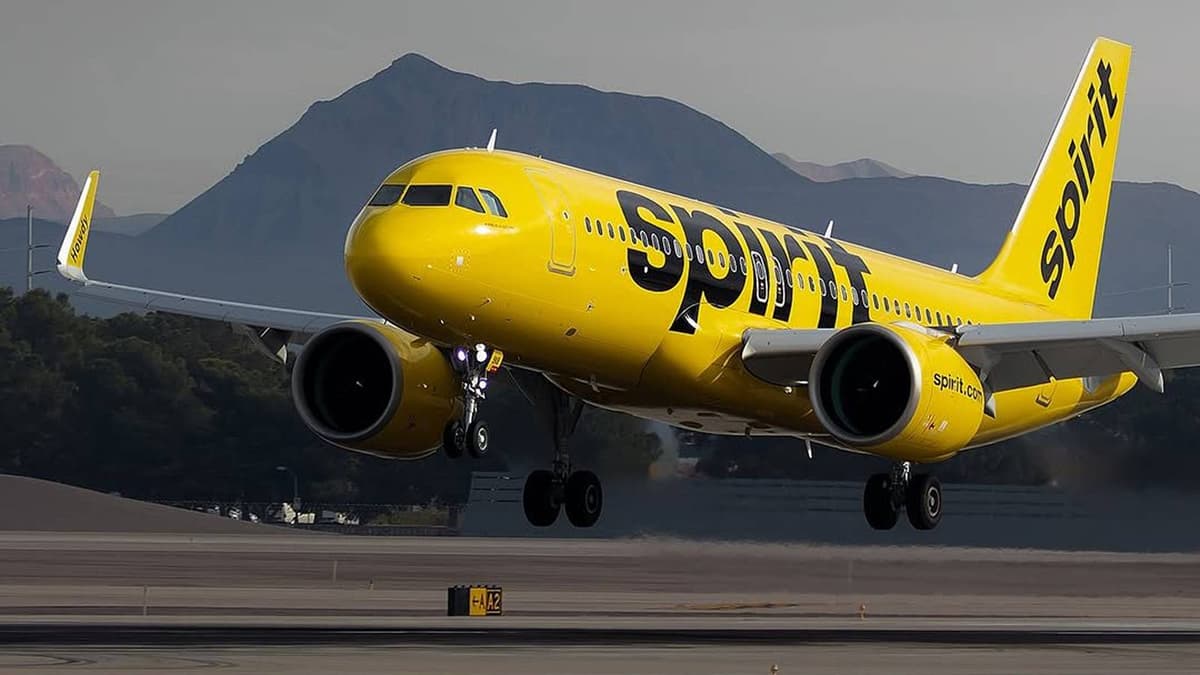
"Money In Their Pocket": Spirit Airlines Pilots Hired To Fly Their Own Jets To The Boneyard
Companies Mentioned
Why It Matters
Rapid aircraft relocation reduces parking costs for lessors and preserves residual aircraft value, while providing immediate income for pilots displaced by the airline’s collapse.
Key Takeaways
- •Nomadic Aviation hires 20+ ex‑Spirit pilots to ferry jets to Arizona
- •Six Spirit A320neos moved to Goodyear and Pinal Airparks this week
- •Parking fees push lessors to quickly relocate aircraft from major airports
- •Airline collapse left 91 planes at 26 U.S. airports, 17,000 jobs lost
- •AI networking app Kittyhawk offers pilots additional job opportunities
Pulse Analysis
The sudden shutdown of Spirit Airlines underscores how quickly a legacy carrier can become a liability for both its workforce and its lessors. With 91 aircraft scattered across the country, the immediate priority for leasing firms is to extract value before parking fees and regulatory hurdles erode asset worth. By partnering with specialist operators like Nomadic Aviation, lessors can streamline the ferry process, leveraging pilots already familiar with the type‑fleet and the airline’s operational nuances. This approach not only curtails expenses but also accelerates the transition of aircraft into the secondary market, where demand remains robust despite supply‑chain constraints at manufacturers.
Nomadic Aviation’s model hinges on repurposing displaced pilots, turning a workforce shock into a revenue stream for both the pilots and the company. The firm’s managing partner, Bob Allen, highlighted that pilots can start flying within days, providing a crucial safety net while they search for longer‑term roles. The use of the Kittyhawk AI‑driven networking app further extends this safety net, matching pilots with other industry opportunities and fostering a talent pool that can be mobilized for future airline restructurings or fleet realignments. This dual‑benefit strategy mitigates the human cost of airline failures and reinforces the resilience of the aviation labor market.
For the broader aviation finance ecosystem, the Spirit case illustrates the importance of contingency planning in lease contracts and asset management. Lessor‑lessee agreements increasingly incorporate clauses that trigger rapid aircraft return and relocation protocols upon carrier insolvency. As the second‑hand aircraft market tightens, swift ferrying to storage hubs like Goodyear and Pinal becomes a competitive advantage, preserving aircraft condition and marketability. Stakeholders—from investors to airport authorities—should monitor these processes closely, as they signal how efficiently the industry can absorb shocks and maintain liquidity in turbulent times.
"Money In Their Pocket": Spirit Airlines Pilots Hired To Fly Their Own Jets To The Boneyard
Comments
Want to join the conversation?
Loading comments...