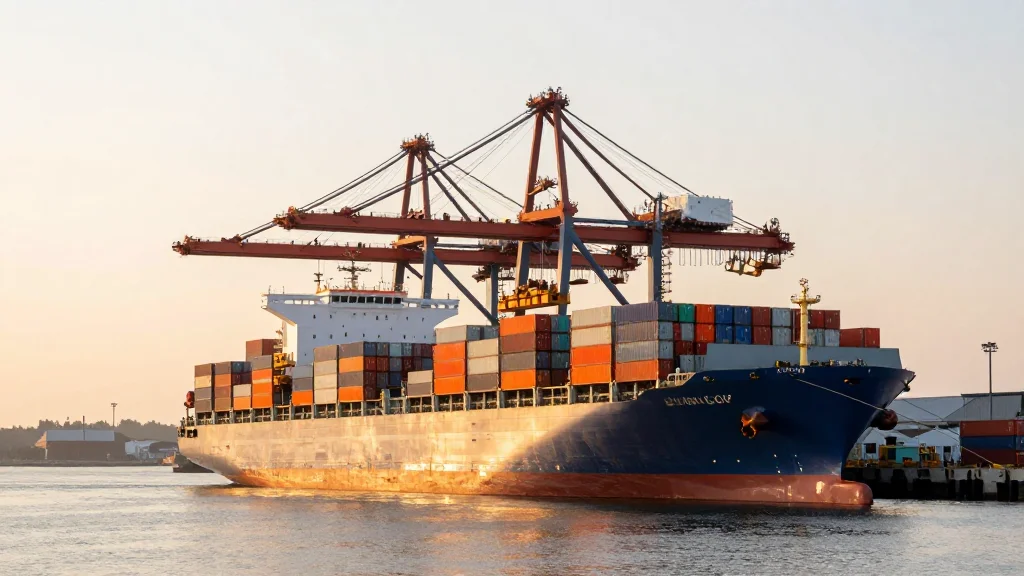
More Carrier-Controlled Terminal Operations Could Be Coming to the East Coast
Why It Matters
Carrier‑controlled terminals promise higher efficiency and revenue for shipping lines, but they also reshape competition, labor dynamics, and investment flows across the East Coast maritime sector.
Key Takeaways
- •Carrier-controlled terminals gaining traction at NY/NJ, may expand south
- •Charleston and Savannah could adopt private terminal models within years
- •Maher Terminals sale could fetch $4‑5 billion, reshaping NY/NJ assets
- •Shift could boost efficiency but raises competition and labor concerns
Pulse Analysis
The East Coast port ecosystem is entering a new phase as carriers seek greater control over terminal operations. By owning or directly managing loading docks, rail links, and warehousing, shipping lines can streamline scheduling, reduce dwell times, and capture more of the value chain. The Port of New York and New Jersey’s recent partnership with private operators has demonstrated measurable gains in vessel turnaround and cargo throughput, prompting other jurisdictions to reevaluate the traditional state‑run model.
In the Southeast, ports such as Charleston and Savannah have long relied on public authorities to oversee terminal activities. A shift toward carrier‑controlled facilities could introduce advanced automation, tighter integration with ocean carriers, and potentially lower fees for shippers. However, the transition also raises concerns among labor unions and regional policymakers about job security, tariff structures, and the balance of market power. Stakeholders will need to negotiate new labor agreements and regulatory frameworks to ensure that efficiency gains do not come at the expense of local employment.
The pending sale of Maher Terminals, valued at roughly $4‑5 billion, underscores the growing appetite of infrastructure investors for port assets. Macquarie Infrastructure Partners’ move could attract sovereign wealth funds, pension plans, and logistics specialists eager to capitalize on the steady cash flows of terminal operations. Ownership changes may accelerate the rollout of carrier‑controlled models, as new investors often favor operational flexibility and technology upgrades. Overall, the convergence of private investment, carrier ambition, and evolving labor dynamics is set to reshape the East Coast’s maritime trade landscape over the next decade.
More carrier-controlled terminal operations could be coming to the East Coast
Comments
Want to join the conversation?
Loading comments...