More Corporate Power Can Help Solve the Affordability Crisis
Why It Matters
If policymakers permit scale‑driven consolidation, airlines could achieve cost efficiencies that translate into lower consumer fares, directly addressing the affordability pressure affecting millions of travelers.
Key Takeaways
- •Spirit and JetBlue face bankruptcy without merger-driven scale.
- •Antitrust block may hinder cost-saving economies of scale.
- •Large low‑cost carriers can lower fares through operational efficiency.
- •Higher fuel costs and fragmented markets drive current price spikes.
- •Policy focus shifting from antitrust to supply‑chain resilience.
Pulse Analysis
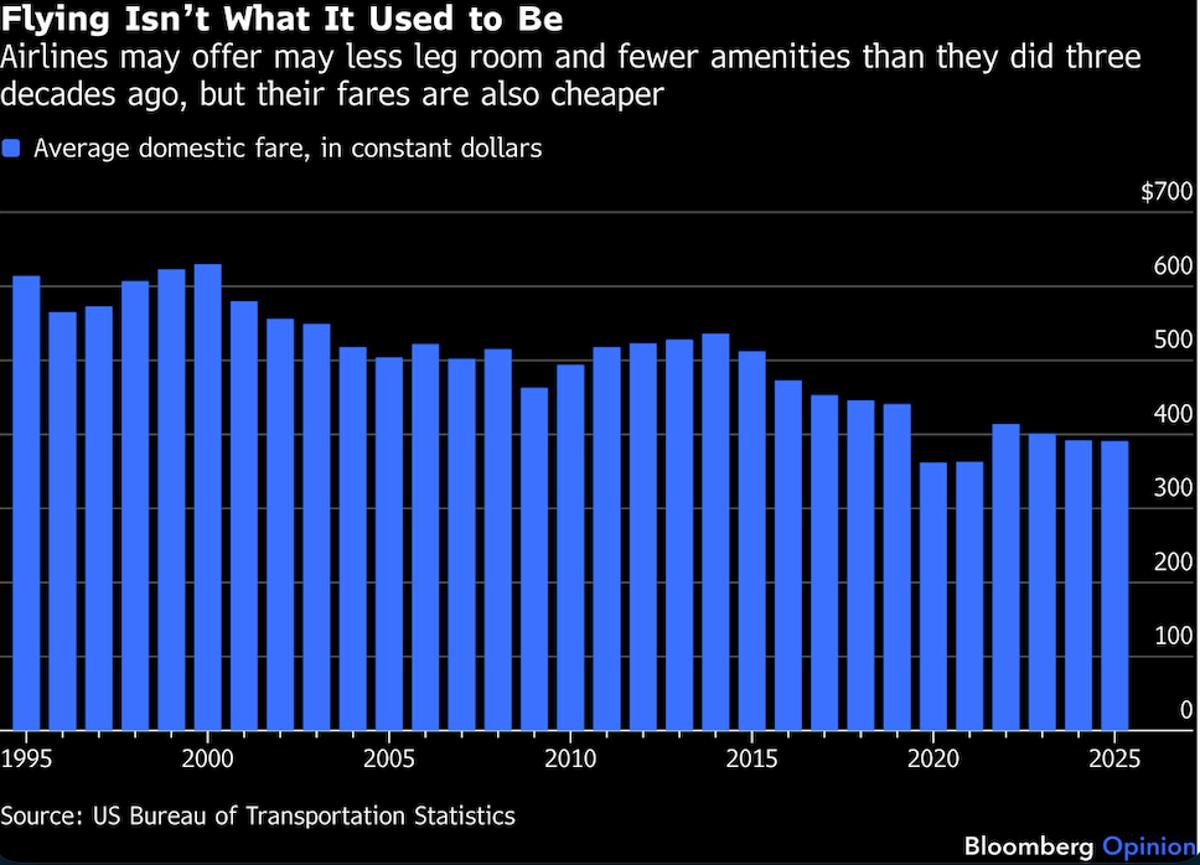
The airline sector has undergone a dramatic shift since deregulation in the late 1970s, moving from a luxury service to a mass‑market necessity. Low‑cost carriers such as Southwest and Ryanair proved that scale, standardized fleets, and streamlined operations can drive ticket prices down dramatically. Today, however, rising jet fuel costs and a patchwork of regional regulations are eroding those gains, leaving budget airlines vulnerable to cash‑flow crises despite their efficient models.
Antitrust enforcement, traditionally aimed at preserving competition, is now being questioned in the context of affordability. The blocked Spirit‑JetBlue merger illustrates how preventing consolidation can inadvertently sustain higher operating costs, as each carrier must maintain separate overhead, procurement, and route networks. Economic research shows that larger firms often enjoy lower marginal costs, which can be passed on to consumers when markets are sufficiently competitive. Yet policymakers must balance these benefits against the risk of reduced innovation and potential price‑setting power if a single low‑cost carrier dominates the market.
For regulators, the challenge is to craft a nuanced approach that encourages scale where it delivers consumer savings while preserving enough competition to spur innovation. This may involve conditional approvals, oversight mechanisms, or targeted subsidies for fuel‑efficient technologies. The debate extends beyond airlines; similar dynamics are playing out in telecom, logistics, and digital retail, where economies of scale can both lower prices and concentrate market power. A calibrated policy framework could therefore unlock cost reductions across multiple sectors, easing the broader affordability crisis without sacrificing the competitive spirit that drives progress.
More Corporate Power Can Help Solve the Affordability Crisis
Comments
Want to join the conversation?
Loading comments...