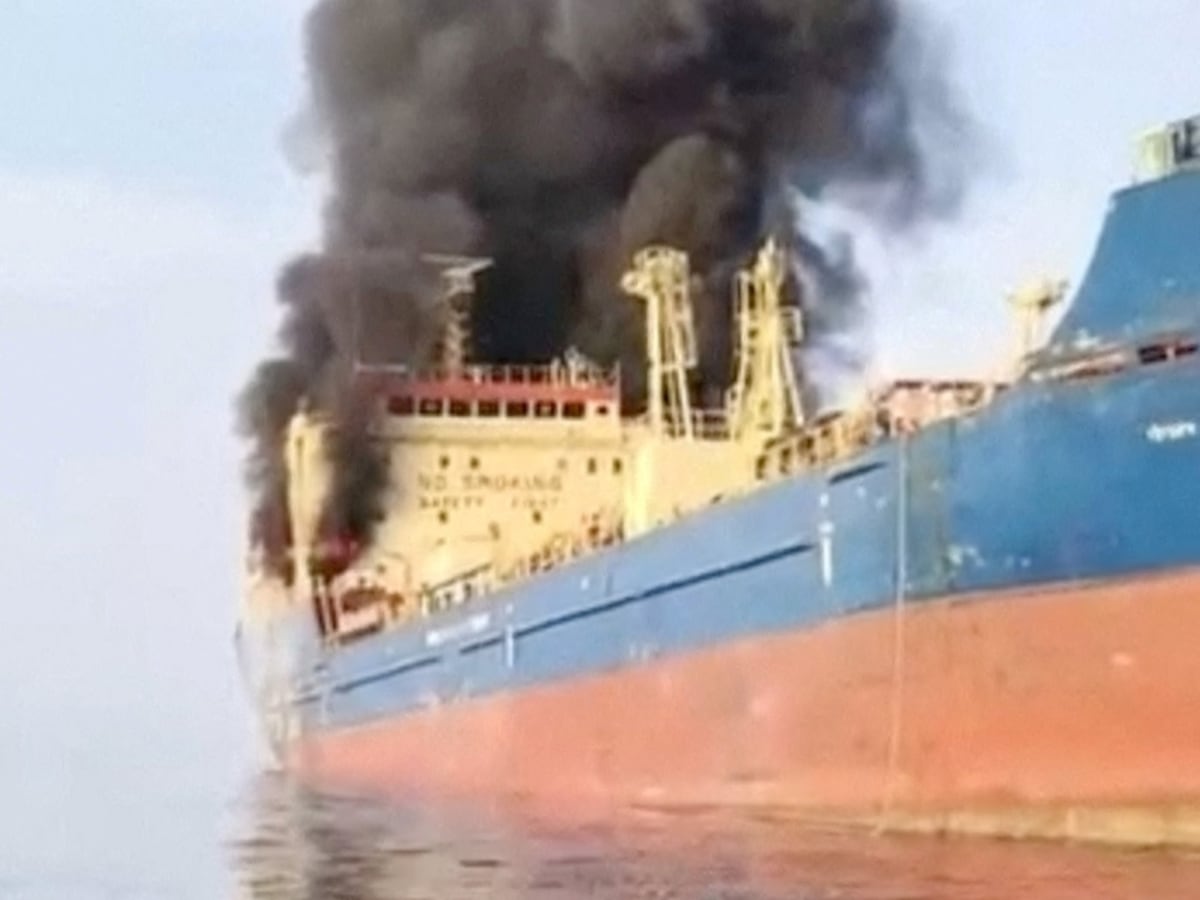
More Tankers Hit in Gulf as Iran Conflict Spreads
•March 5, 2026
0
Why It Matters
The attacks threaten global energy supply chains, driving price spikes and forcing governments and insurers to intervene, while amplifying geopolitical risk across the Middle East and Europe.
Key Takeaways
- •Two Gulf tankers attacked, causing oil spill
- •200 vessels anchored; many unable to transit Strait
- •Oil prices up 2%, 15% since conflict began
- •EU gas storage refill faces higher costs, risks
- •Qatar halted LNG; global supply tightens further
Pulse Analysis
The latest wave of aggression in the Gulf marks a sharp escalation of the US‑Iran confrontation that erupted last weekend. Iranian forces deployed a remote‑controlled explosive boat against a Bahamas‑flagged crude tanker near Iraq’s Khor al‑Zubair port, and a separate explosion ripped a second vessel anchored off Kuwait, spilling oil into the sea. Simultaneously, Iranian drones breached Azerbaijani airspace, injuring civilians and signaling Tehran’s willingness to expand the conflict beyond the immediate battlefield. These actions have heightened security alerts across the Persian Gulf and underscored the fragility of maritime routes that underpin global energy trade.
The immediate fallout is a paralysis of maritime traffic. Reuters estimates show roughly 200 oil and LNG carriers stuck at anchor in open waters, while hundreds more are barred from the Strait of Hormuz, a chokepoint that moves about 20% of the world’s oil and gas. In response, the United States has offered naval escorts and coordinated with Lloyd’s of London to provide insurance coverage, aiming to restore confidence among shippers. Yet the lingering threat of further attacks keeps many operators hesitant, prompting refiners in Kuwait and Bahrain to curtail output and prompting BP to evacuate staff from Iraq’s Rumaila field.
The supply shock is already reverberating through markets. Crude futures have risen another 2% on the day, accumulating a 15% gain since the war’s onset, while European gas benchmarks jumped 2% and LNG prices have surged roughly 50% this week. Qatar’s decision to suspend LNG production and Russia’s hinted ability to cut gas flows to Europe compound the scarcity, forcing the EU to confront higher storage costs and tighter procurement windows. Asian importers, led by China, are scrambling to cancel or defer fuel contracts, illustrating how a regional flare‑up can ripple into global energy pricing and strategic planning.
More tankers hit in Gulf as Iran conflict spreads
0
Comments
Want to join the conversation?
Loading comments...