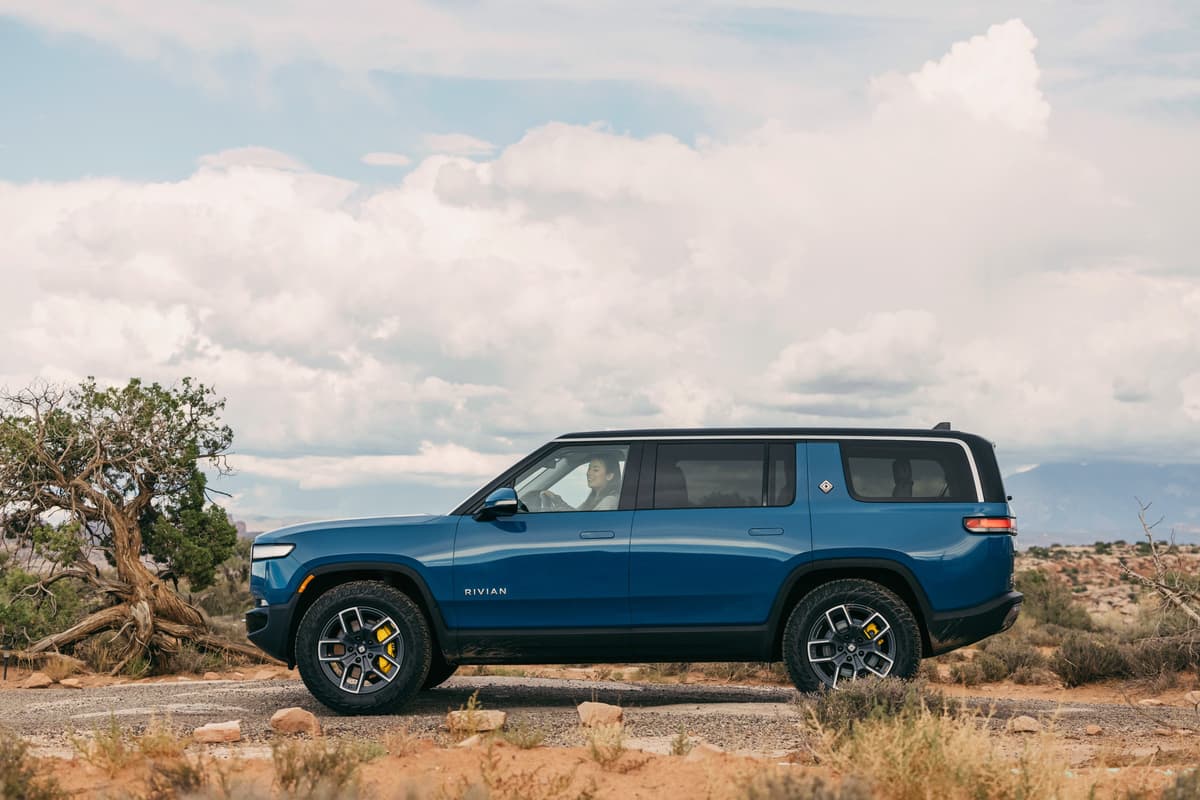
More Than 110,000 Rivian R1T, R1S Models Under Federal Probe for Rear Suspension Issue
Companies Mentioned
Why It Matters
A confirmed suspension defect could trigger a larger recall, dent Rivian’s safety reputation and slow momentum in the competitive EV truck market. Regulators’ scrutiny also signals heightened oversight for emerging EV manufacturers.
Key Takeaways
- •NHTSA opened probe into Rivian R1T/R1S rear suspension
- •Issue stems from rear toe link separation causing swerve
- •Rivian recalled 20,000 units; regulators estimate 1% fault rate
- •Two owner questionnaires report fractured toe‑link bolts
- •Rivian disputes findings, says internal data shows joints operate correctly
Pulse Analysis
The NHTSA’s recent investigation underscores how quickly safety concerns can surface for high‑profile electric vehicles. While Rivian’s R1T and R1S have been praised for performance and range, the rear‑toe‑link issue highlights a vulnerability in the vehicle’s chassis that can translate into sudden loss of control. Federal probes typically begin with owner‑submitted questionnaires, and in this case, two separate reports of bolt fractures prompted a deeper dive into design tolerances and service practices. The agency’s Office of Defects Investigation will now assess whether the joint can withstand typical road stresses and third‑party repairs, a process that often leads to broader recalls if systemic flaws are identified.
Rivian’s response has been a mix of denial and remediation. The company points to an internal service bulletin from March 2025 and a January 2026 recall of roughly 20,000 units that addressed re‑assembly procedures, suggesting the defect is limited to a small subset of vehicles—about one percent of the total population, according to regulators. However, the public dispute over the root cause could erode consumer confidence, especially as the brand seeks to scale production and secure fleet contracts. A protracted investigation may delay deliveries, increase warranty costs, and pressure Rivian’s balance sheet at a time when cash flow remains a critical metric for investors.
The broader EV landscape is watching closely. As more startups bring advanced drivetrain and suspension architectures to market, regulators are sharpening their focus on component reliability. A high‑visibility case like Rivian’s may prompt stricter pre‑launch testing requirements and encourage manufacturers to adopt more transparent defect‑reporting mechanisms. For buyers, the episode reinforces the importance of reviewing service histories and staying informed about recall updates. For the industry, it serves as a reminder that rapid innovation must be matched with rigorous safety validation to sustain long‑term growth.
More Than 110,000 Rivian R1T, R1S Models Under Federal Probe for Rear Suspension Issue
Comments
Want to join the conversation?
Loading comments...