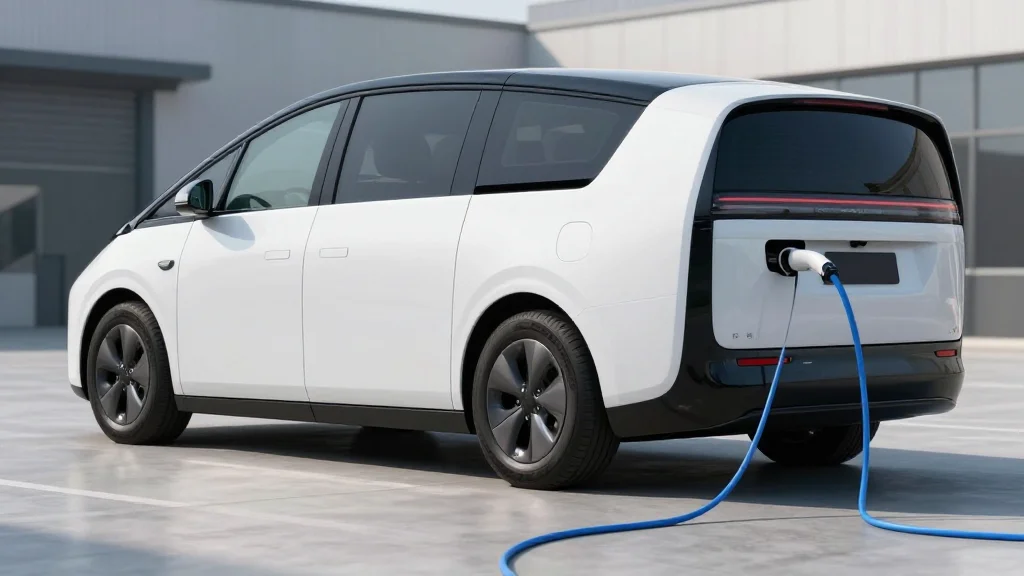
'More Than Just A Work Vehicle:' Kia Has Big Plans For Its Commercial Vans
Companies Mentioned
Why It Matters
The PBV strategy positions Kia to capture a growing commercial‑EV market by lowering total cost of ownership and simplifying fleet operations, challenging incumbents that lack a unified digital‑first platform.
Key Takeaways
- •Kia launches PBV platform with PV5 electric van.
- •Modular design offers multiple sizes, up to PV9 by 2029.
- •Integrated digital services enable OTA updates and remote diagnostics.
- •Dedicated dealer network provides extended hours and AI support.
- •Fleet app and B2B portal simplify multi‑brand vehicle management.
Pulse Analysis
Kia’s entry into the commercial electric‑vehicle space reflects a broader industry shift toward purpose‑built EV platforms. While legacy automakers often retrofit existing models, Kia’s PBV architecture starts as an electric vehicle, freeing designers to maximize cargo volume, improve cabin ergonomics and achieve a class‑leading 18‑foot turning radius. This approach not only meets the tight maneuverability demands of dense urban logistics but also reduces weight and complexity, translating into lower operating costs for small businesses and fleet operators.
Beyond the physical vehicle, Kia is betting on a digital ecosystem to differentiate its offering. Over‑the‑air software updates, remote diagnostics and predictive‑maintenance alerts are baked into the infotainment system, allowing operators to address issues before they cause downtime. The accompanying Kia app and a dedicated B2B portal extend these capabilities to multi‑brand fleet management, giving managers a single view of disparate assets. Such connectivity aligns with the growing expectation for data‑driven fleet optimization and can improve utilization rates, a critical metric for profitability in the logistics sector.
The rollout of a specialized dealer network underscores Kia’s commitment to service reliability, a key concern for commercial customers. Trained technicians, extended service hours and AI‑assisted troubleshooting aim to minimize vehicle downtime, reinforcing the platform’s total cost‑of‑ownership promise. With the PV7 slated for 2027 and the PV9 for 2029, Kia plans to broaden its portfolio to over 40 variants, targeting niche market needs across Europe and beyond. If execution matches ambition, Kia could emerge as a serious contender against established commercial EV players such as Mercedes‑eVito and Ford E‑Transit, reshaping the competitive landscape.
'More Than Just A Work Vehicle:' Kia Has Big Plans For Its Commercial Vans
Comments
Want to join the conversation?
Loading comments...