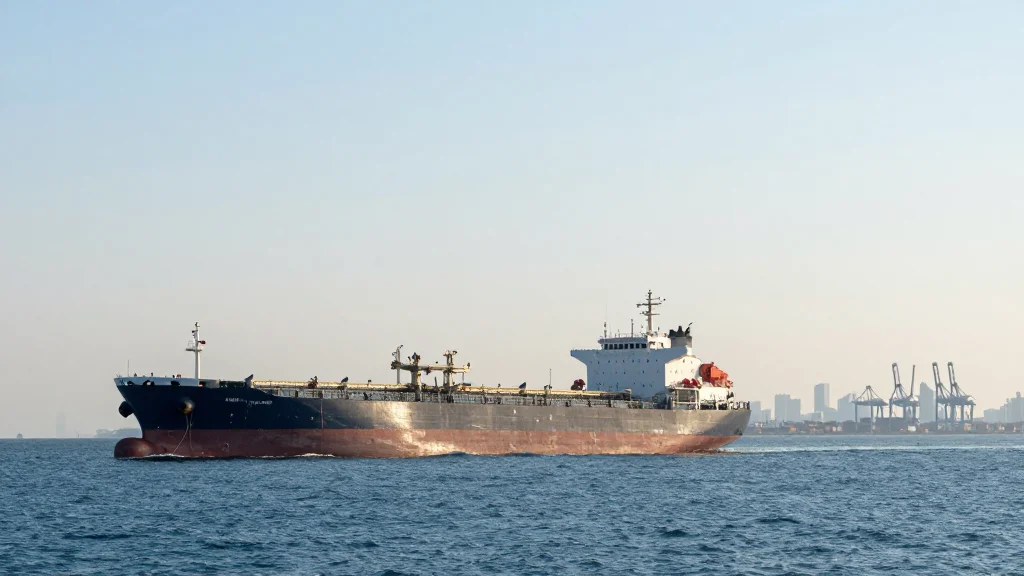
Morgan Stanley Predicts Prolonged Vessel Undersupply Across Energy Trades
Why It Matters
A prolonged vessel undersupply will lift freight rates and accelerate shipbuilding, reshaping capital flows across maritime assets and influencing global energy logistics.
Key Takeaways
- •$5 trn Asian energy investments to 2030 fuel shipping boom
- •Tanker orderbook exceeds 20% of fleet; could double by 2030
- •24% of tanker capacity sits outside compliant market due sanctions
- •Coal demand to reach 4 bn tonnes, adding 55‑65 m tonnes seaborne
- •250 LNG carriers under construction support Asia’s gas expansion
Pulse Analysis
Asia’s energy‑security dilemma is redefining maritime trade patterns. With the Hormuz crisis curtailing Middle‑East oil flows, Asian importers are pivoting to the United States, Latin America and domestic sources, lengthening voyage distances and inflating tonne‑mile volumes. This structural shift fuels demand for larger, more efficient tankers and bulk carriers, creating a fertile environment for new orders and higher freight premiums. Investors are watching the ripple effects as longer routes translate into higher operating costs and tighter vessel availability.
On the supply side, the compliant tanker pool is eroding. Roughly 19% of crude tankers and 10% of product tankers are sanctioned, while an additional 24% of total capacity operates outside the mainstream market, according to Clarksons. Coupled with an aging fleet—22% of tonnage is over 20 years old—the effective supply curve is steeply constrained. Morgan Stanley projects the order‑book‑to‑fleet ratio could double by 2030, a scenario that historically precedes freight‑rate spikes and prompts shipyards to accelerate new‑building programs.
The broader impact extends beyond crude carriers. Coal demand in Asia is expected to climb to 4 billion tonnes by 2030, injecting 55‑65 million tonnes of additional seaborne cargo and reviving capesize activity. Simultaneously, the LNG market is buoyed by 250 carriers under construction, reflecting a regional gas‑infrastructure boom. Shipyards in South Korea, China and Japan are poised to scale output, while investors recalibrate exposure to maritime assets, recognizing that energy security, not just decarbonisation, will dominate strategic decisions over the next decade.
Morgan Stanley predicts prolonged vessel undersupply across energy trades
Comments
Want to join the conversation?
Loading comments...