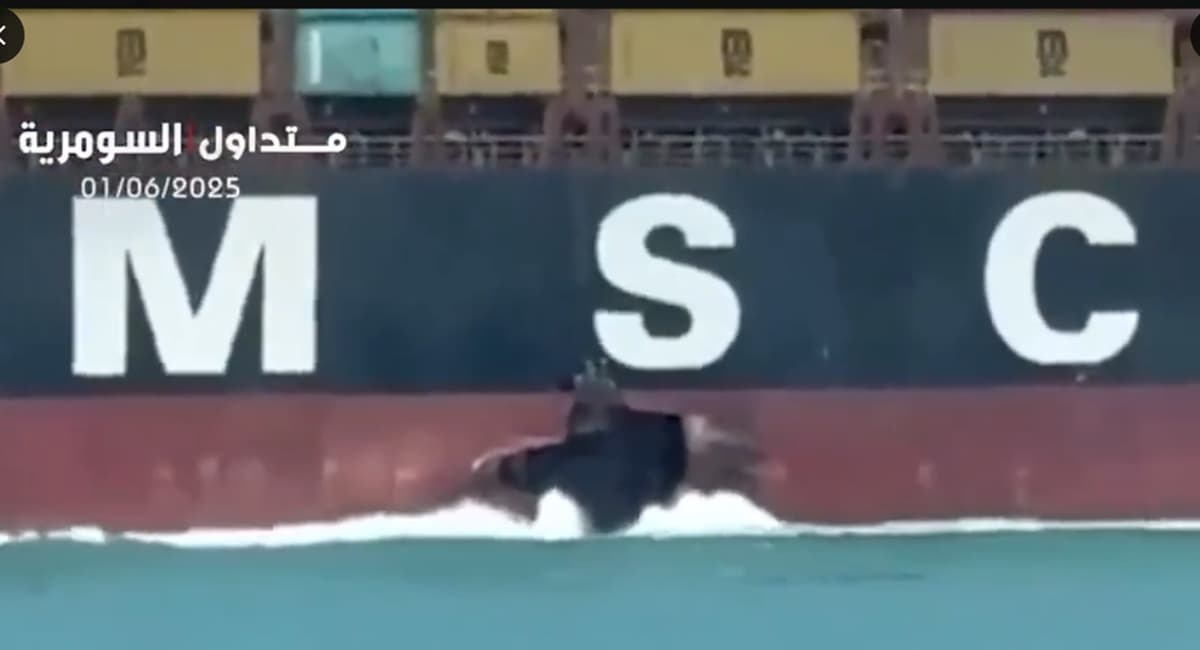
MSC Confirms Strike on MSC Sariska V, Condemns Unprovoked Attacks
Why It Matters
The strike highlights escalating maritime security risks in the Gulf, threatening global supply chains and insurance costs for the world’s largest container carrier. It signals that geopolitical tensions can directly disrupt commercial shipping routes.
Key Takeaways
- •MSC Sariska V hit by two projectiles in Iraq’s Um‑Qasr port
- •IRGC claims retaliation for U.S. action against Lian Star, calls MSC “enemy”
- •All crew unharmed; MSC condemns attack and stresses neutral commercial status
- •Incident highlights rising maritime security risks in the Gulf amid Iran‑U.S. tensions
- •MSC’s long‑term Gulf presence predates current conflict, showing strategic trade routes
Pulse Analysis
The recent strike on MSC Sariska V underscores how the Iran‑U.S. standoff is spilling over into commercial shipping lanes. After the Islamic Revolutionary Guard Corps (IRGC) claimed the attack was retaliation for a U.S. operation against the Gambia‑flagged Lian Star, the incident marked the latest in a series of unprovoked assaults on neutral vessels transiting the Arabian Gulf. Video footage shows two projectiles hitting the vessel just above the waterline as it left the Iraqi port of Um‑Qasr, yet the crew emerged unharmed. Such events raise the specter of broader disruptions to one of the world’s most vital trade corridors.
MSC, the world’s largest container line, has long positioned itself as a neutral carrier, owned by the Aponte family and headquartered in Switzerland. The company’s swift condemnation of the attack and reassurance that no crew members were injured aim to preserve confidence among shippers and insurers. However, repeated threats in the Strait of Hormuz and adjacent ports compel charterers to reassess routing, insurance premiums, and cargo security measures. For a carrier that moves over 20 % of global container volume, any perceived risk can trigger cargo delays, higher freight rates, and a ripple effect across supply chains.
Analysts warn that the escalation could force a strategic shift in Gulf logistics, prompting vessels to divert around the Cape of Good Hope or seek alternative transshipment hubs in the Red Sea. While diplomatic channels remain open, the shipping industry is already investing in convoy escorts, real‑time threat monitoring, and enhanced crew training to mitigate future incidents. The MSC Sariska V episode serves as a reminder that geopolitical flashpoints can quickly translate into operational hazards, reinforcing the need for coordinated international maritime security frameworks.
MSC confirms strike on MSC Sariska V, condemns unprovoked attacks
Comments
Want to join the conversation?
Loading comments...