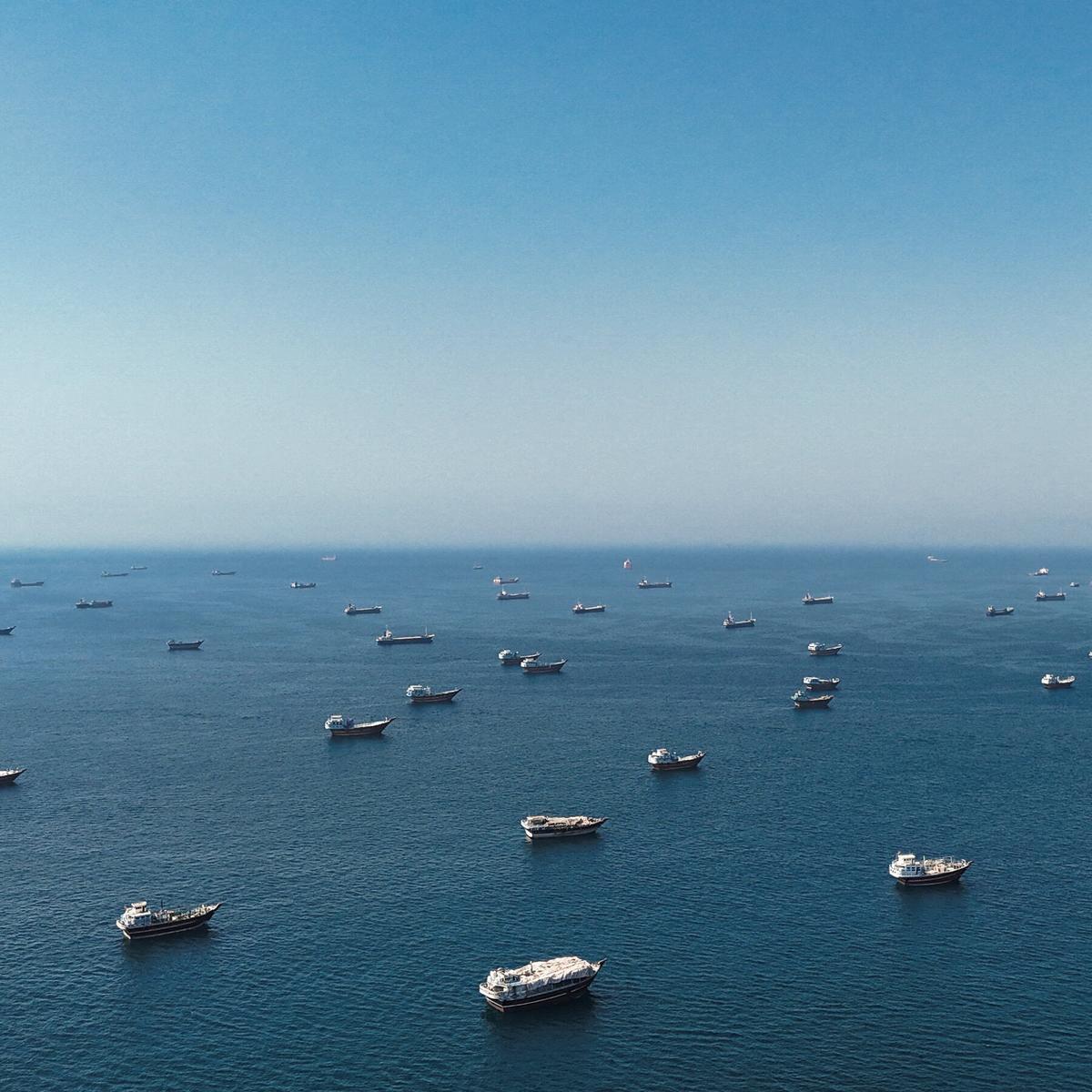
MSC Ship Is Struck by Two Projectiles in Iraqi Port
Why It Matters
The attack highlights the vulnerability of global supply chains to regional conflicts, potentially driving up freight costs and prompting insurers to reassess coverage for high‑risk routes. It also signals that major carriers like MSC may need to adjust routing or security protocols to protect assets and personnel.
Key Takeaways
- •MSC's Sariska V hit by two projectiles in Umm Qasr port
- •Iran's IRGC claims attack, citing retaliation for U.S. strikes
- •Over 25 vessels attacked in region since February, heightening shipping risk
- •MSC operates 1,000 ships, 200,000 employees; stresses neutrality
- •U.S. blockade has disabled five commercial vessels, redirected 121
Pulse Analysis
The Gulf of Oman and the adjacent Iraqi ports have become flashpoints for a broader proxy conflict between the United States and Iran, with commercial vessels increasingly caught in the crossfire. Since the February escalation, more than two dozen ships have suffered direct hits or have been intercepted by U.S. forces, disrupting a corridor that moves roughly a fifth of the world’s oil and gas. This volatility forces shippers to weigh the cost of longer detours against the risk of damage, while freight forwarders scramble to secure alternative lanes.
MSC’s Sariska V incident illustrates how even neutral carriers are not immune to retaliation claims. The IRGC’s justification—revenge for U.S. missile strikes on Iranian‑linked tankers—reflects a strategy of leveraging commercial shipping to pressure American policy. For MSC, the episode raises operational challenges: ensuring crew safety, maintaining insurance coverage, and preserving client confidence. The company’s public emphasis on neutrality aims to distance its commercial activities from geopolitical entanglements, but the reality of a contested maritime environment may compel it to adopt heightened security measures, such as convoy escorts or rerouting around the Strait of Hormuz.
For the broader logistics ecosystem, the surge in attacks could translate into higher freight rates, tighter vessel availability, and increased insurance premiums. Stakeholders—from commodity traders to end‑users—must monitor diplomatic developments closely, as any breakthrough in U.S.–Iran negotiations could quickly alter the risk calculus. Meanwhile, insurers are likely to tighten underwriting criteria for vessels transiting the region, potentially prompting carriers to invest in defensive technologies or to shift cargoes to overland routes where feasible. The evolving threat landscape underscores the need for agile risk management and real‑time maritime intelligence in today’s interconnected supply chains.
MSC Ship Is Struck by Two Projectiles in Iraqi Port
Comments
Want to join the conversation?
Loading comments...