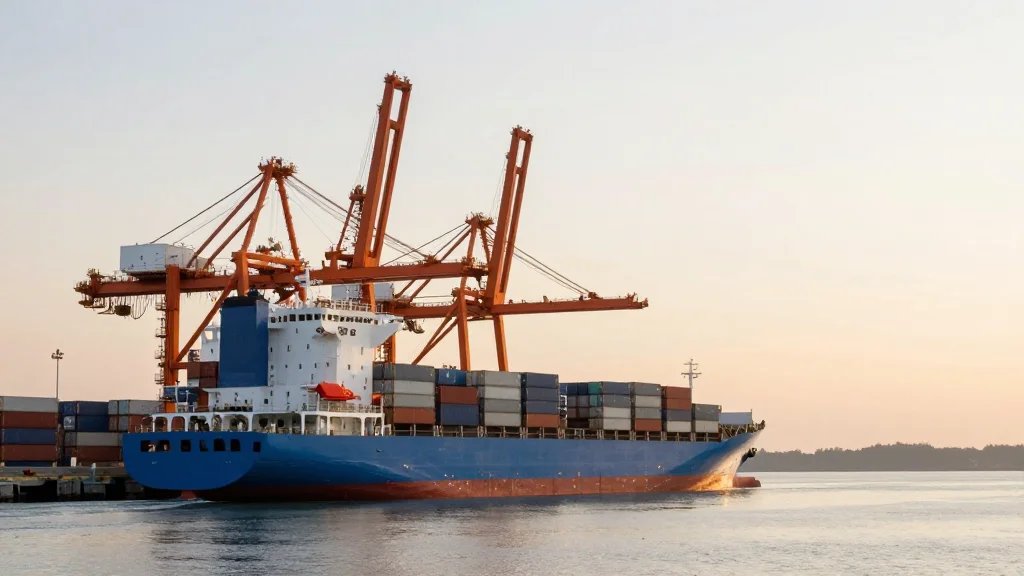
MSC’s Terminals Arm Extends Vietnam Portfolio with New Container Port Project
Why It Matters
Direct terminal ownership gives MSC preferential access and reduces turnaround risk, strengthening its competitive position in fast‑growing Southeast Asian trade lanes.
Key Takeaways
- •MSC's TiL becomes majority shareholder of Can Gio port consortium.
- •Can Gio project valued at $5 billion, slated for 50‑year concession.
- •New terminal aims to secure preferential berthing for MSC in Vietnam.
- •Expansion reflects carriers' strategy to lock in Asian port access.
- •Vietnam's container traffic growth drives interest from global shipping lines.
Pulse Analysis
Mediterranean Shipping Company’s terminal investment arm, Terminal Investment Limited (TiL), has accelerated its push into Southeast Asia by securing a controlling stake in a consortium that will develop the Can Gio international container port near Ho Chi Minh City. The move follows a wave of carrier‑backed terminal projects across Vietnam, a market that has recorded double‑digit growth in container volumes over the past three years. With record earnings fueling capital‑intensive expansion, shipowners are increasingly betting on direct terminal ownership to guarantee berth priority and reduce turnaround times.
The Can Gio facility is projected to cost roughly $5 billion and will operate under a 50‑year concession granted by the Ho Chi Minh City People’s Committee. Designed to handle ultra‑large container vessels, the port will feature deep‑water berths, automated cranes and extensive hinterland connections to Vietnam’s expanding rail and road network. For MSC, the terminal offers a strategic foothold that can feed its extensive Asia‑Pacific service loops, providing preferential loading slots and insulating the carrier from competitive congestion at neighboring ports such as Hai Phong and Da Nang.
Vietnam’s ambition to become a regional logistics hub aligns with the influx of carrier‑owned terminals, which promise higher efficiency and lower vessel idle time. However, the rapid build‑out also raises questions about overcapacity and the need for coordinated hinterland upgrades to avoid bottlenecks. For investors, MSC’s TiL entry signals confidence in the country’s long‑term demand trajectory, while competitors may accelerate their own projects to retain market share. The outcome will likely shape Southeast Asia’s container flow patterns for the next decade.
MSC’s terminals arm extends Vietnam portfolio with new container port project
Comments
Want to join the conversation?
Loading comments...