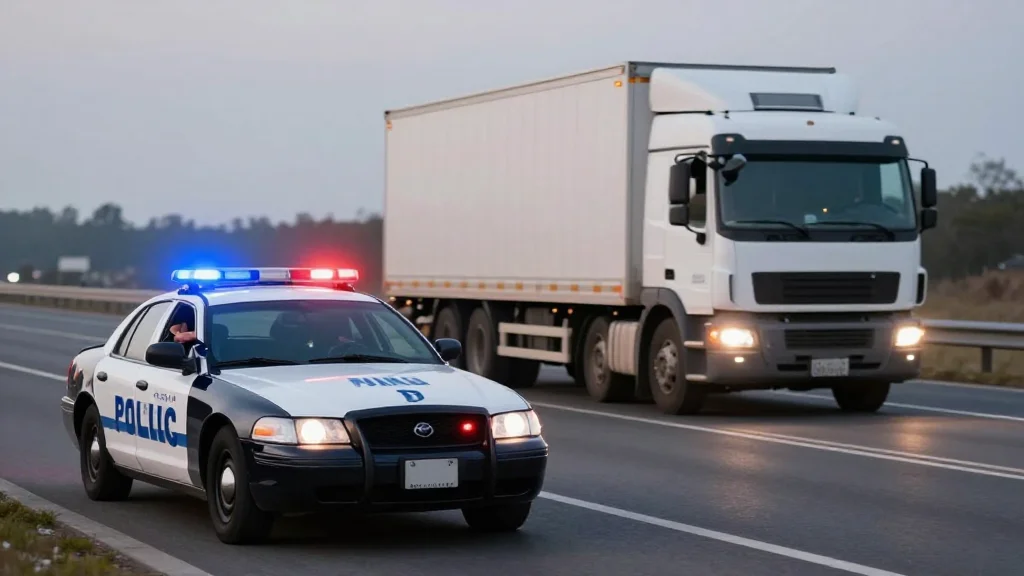
Mumbai Traffic Police Intensify Crackdown on Wrong-Side Driving, Peak-Hour Heavy Vehicle Violations
Why It Matters
The intensified enforcement aims to curb deadly traffic violations that have already claimed 13 lives, protecting commuters and pressuring gig‑economy platforms to improve safety standards. Sustained action could reduce congestion, accidents, and the broader economic costs of road trauma in India’s largest city.
Key Takeaways
- •2,500+ delivery riders fined for traffic violations in one week
- •170 heavy vehicles penalized; 39 impounded for peak‑hour breaches
- •Police will summon food‑delivery platforms for violation data
- •Wrong‑side driving caused 13 deaths, including teenage pillion fatality
Pulse Analysis
Mumbai’s streets have become a testing ground for stricter traffic enforcement after a high‑profile wrong‑side collision killed 13 people on the Mumbai‑Ahmedabad highway. In the past week, the traffic branch issued more than 2,500 challans to delivery riders for offenses ranging from signal jumping to riding against traffic, while 170 heavy vehicles were fined and 39 trucks seized for breaching the 7 am‑11 am and 5 pm‑9 pm peak‑hour restrictions. These numbers reflect a broader pattern: since the start of the year, 6,380 motorcyclists have been caught riding on the wrong side, underscoring the scale of the problem and the police’s resolve to use FIRs as a deterrent.
The crackdown shines a spotlight on the gig‑economy’s role in traffic safety. Delivery personnel, pressured by ultra‑tight 10‑minute delivery windows set by food‑ordering and quick‑commerce apps, often resort to risky maneuvers such as wrong‑side riding to meet expectations. Police officials have announced plans to summon representatives from these platforms to share violation data and demand accountability, a move that could reshape how companies design routing algorithms and driver incentives. Experts argue that without systemic changes—like realistic delivery timelines and better rider protection—enforcement alone will only provide temporary relief.
Beyond immediate penalties, the episode raises questions about long‑term urban mobility management in megacities. Consistent enforcement throughout the year, rather than limited campaigns, is essential to shift driver behavior. Integrating technology—such as real‑time traffic monitoring, AI‑driven hotspot detection, and automated ticketing—could amplify police efforts while minimizing manual workload. If Mumbai succeeds in curbing wrong‑side driving and heavy‑vehicle violations, it may set a precedent for other Indian cities grappling with rapid delivery growth and congested road networks, ultimately improving safety and economic productivity.
Mumbai traffic police intensify crackdown on wrong-side driving, peak-hour heavy vehicle violations
Comments
Want to join the conversation?
Loading comments...