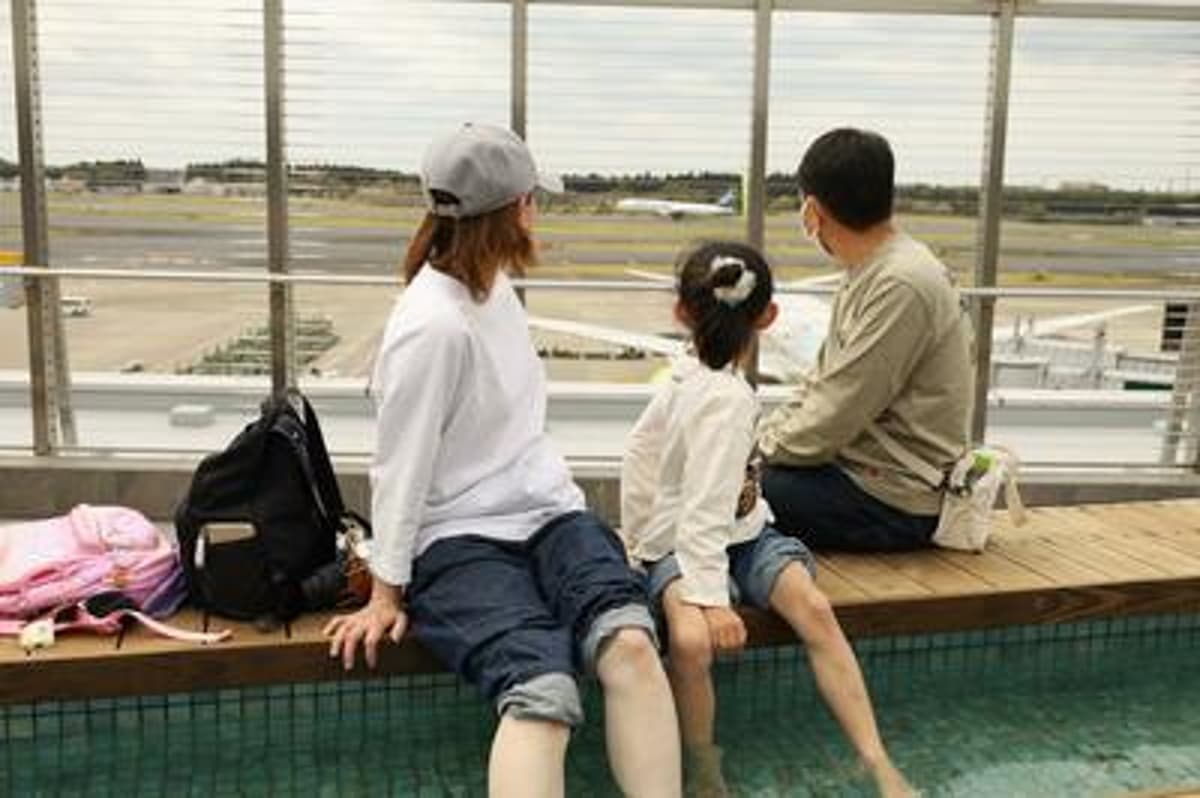
Narita Airport Reopens Part of Terminal 1 with Footbath Deck, Tatami Area
Why It Matters
The culturally‑rich amenity differentiates Narita from competing hubs, potentially boosting passenger dwell time and ancillary revenue. It signals Japan’s broader strategy to blend tourism experiences with transportation infrastructure.
Key Takeaways
- •Narita reopens Terminal 1’s fifth‑floor observation deck.
- •“Garden Walk” includes footbaths and tatami‑mat relaxation space.
- •Renovation cost ¥2.5 bn ($15.7 m) covering 8,000 m².
- •Unfenced viewing platform seats up to 130 visitors.
- •Airport plans further upgrades to Terminal 2.
Pulse Analysis
Japan’s major gateways are increasingly competing on more than just flight connectivity; they are turning airports into cultural showcases. Narita’s new “Garden Walk” aligns with a global trend where travelers seek immersive experiences even before leaving the terminal. By integrating traditional elements such as footbaths and tatami mats, the airport taps into the growing demand for authentic, wellness‑focused amenities, positioning itself alongside other Asian hubs that blend hospitality with transport.
The ¥2.5 billion investment covers 8,000 square meters of interior and exterior space, introducing an open‑air viewing platform that removes visual barriers and seats up to 130 visitors. These features not only enhance passenger satisfaction but also create new revenue streams through extended dwell time, premium seating, and potential sponsorships. Early visitor feedback, like that of Chiba resident Yuka Sagawa, highlights the novelty of soaking in a footbath while watching aircraft, a unique selling point that can be leveraged in marketing campaigns aimed at both domestic tourists and inbound travelers.
Looking ahead, Narita’s consideration of similar upgrades for Terminal 2 suggests a broader rollout of experiential zones across the airport complex. Such enhancements could stimulate ancillary spending, support local artisans, and reinforce Japan’s image as a destination that seamlessly merges tradition with modernity. For airlines, the upgraded facilities may improve the overall airport experience, potentially influencing carrier choice and fostering stronger partnerships with the airport operator.
Narita airport reopens part of Terminal 1 with footbath deck, tatami area
Comments
Want to join the conversation?
Loading comments...