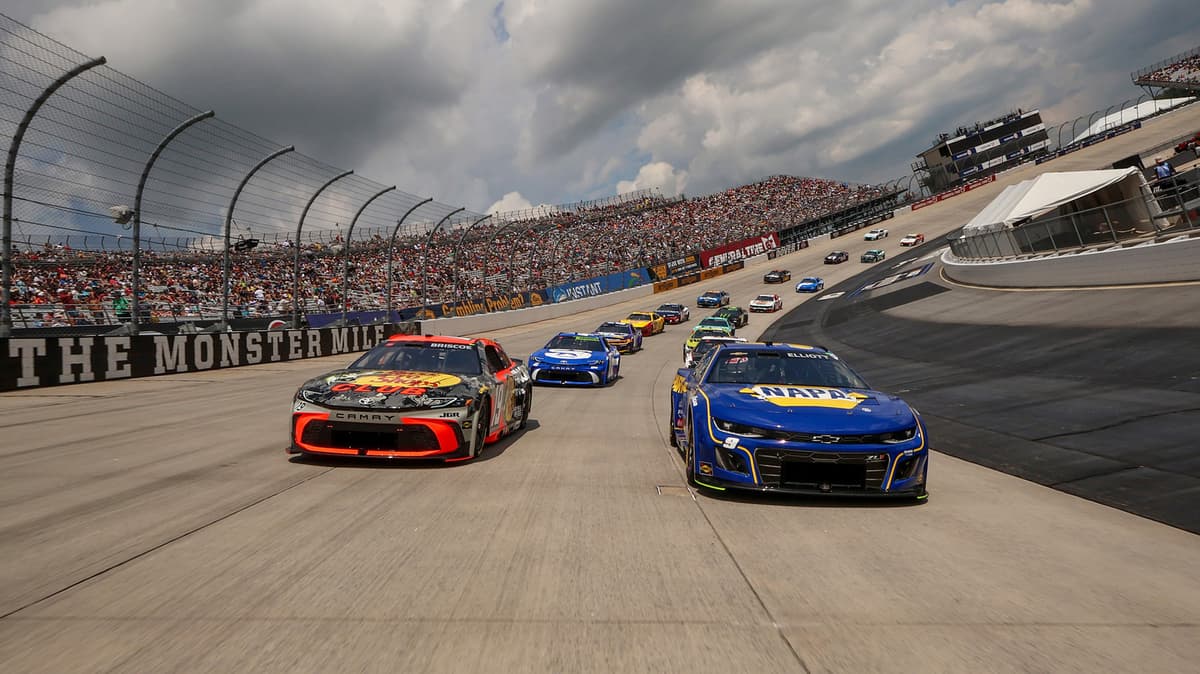
NASCAR Announces Every Driver Will Compete In All-Star Race
•February 26, 2026
0
Companies Mentioned


Why It Matters
By forcing all full‑time drivers into the early sprints, NASCAR aims to boost viewership and simplify the event, but it risks diminishing the underdog spotlight that the Open provided, potentially affecting fan engagement and competitive balance.
Key Takeaways
- •Full Cup field runs first two segments of All-Star Race.
- •Top 26 positions inverted after first sprint segment.
- •Seventeen race winners locked into final stage automatically.
- •Fan vote winner secures one additional final‑stage entry.
- •All-Star Open eliminated, reducing opportunities for underdogs.
Pulse Analysis
The All‑Star Race has long been NASCAR’s showcase, a mid‑season exhibition that lets fans see top talent in a high‑stakes, non‑points environment. Historically, the event featured an Open race where lesser‑known drivers could earn a spot alongside champions, creating a narrative of underdog triumph. Over the past few years, the race has migrated across venues—from Charlotte to Bristol, Texas, North Wilkesboro, and now Dover—reflecting the series’ search for a stable home and a format that resonates with audiences. This backdrop sets the stage for the 2026 overhaul, which consolidates the entire Cup field into the opening sprints and removes the Open entirely.
The new structure introduces a strategic inversion after the first 75‑lap segment, pushing the leader to 26th place and reshuffling the pack. Drivers already qualified for the final stage, such as recent race winners and former champions, may adopt a conservative approach, preserving equipment for the lucrative $1 million finale. Meanwhile, the eight remaining transfer spots and the fan‑vote entry become the focal points for mid‑tier teams, intensifying competition for those limited positions. However, the elimination of the Open could alienate fans who enjoy watching emerging talent battle for recognition, potentially reducing the event’s narrative depth.
From a business perspective, NASCAR’s decision signals an effort to streamline the All‑Star experience, making it more television‑friendly and easier for sponsors to target marquee drivers. Yet the trade‑off involves sacrificing the grassroots appeal that differentiated the All‑Star Race from regular points events. If fan sentiment turns negative, NASCAR may need to re‑introduce a qualifying component or adjust the inversion mechanics to preserve excitement. The move underscores the series’ broader challenge: balancing tradition with innovation to retain relevance in a crowded sports market.
NASCAR Announces Every Driver Will Compete In All-Star Race
0
Comments
Want to join the conversation?
Loading comments...