Nashville Opposes Elon Musk’s Loop Tunnel — a Decade Later, Still No Proof It Beats a Subway
•March 5, 2026
0
Why It Matters
The clash highlights state‑level overreach into local infrastructure decisions and raises serious doubts about the Loop’s ability to deliver a viable, high‑capacity transit alternative.
Key Takeaways
- •Nashville council opposes Loop 20‑15 vote.
- •Tennessee bills aim to centralize tunnel oversight.
- •Vegas Loop capacity far below subway standards.
- •Boring Company fined for safety violations in Nevada.
- •Financial and ridership projections remain undisclosed.
Pulse Analysis
The Music City Loop has become a flashpoint in Tennessee’s transportation policy. After a 20‑15 vote, Nashville’s Metro Council formally rejected the Boring Company’s 13‑mile tunnel, citing transparency and safety gaps. Yet Governor Bill Lee’s administration, backed by the Tennessee Department of Transportation and the Federal Highway Administration, is moving ahead. State legislators are introducing bills that would create a governor‑appointed Subterranean Transportation Infrastructure Coordination Authority and strip the city of property‑assessment powers, effectively sidelining local democratic input in favor of a single private project.
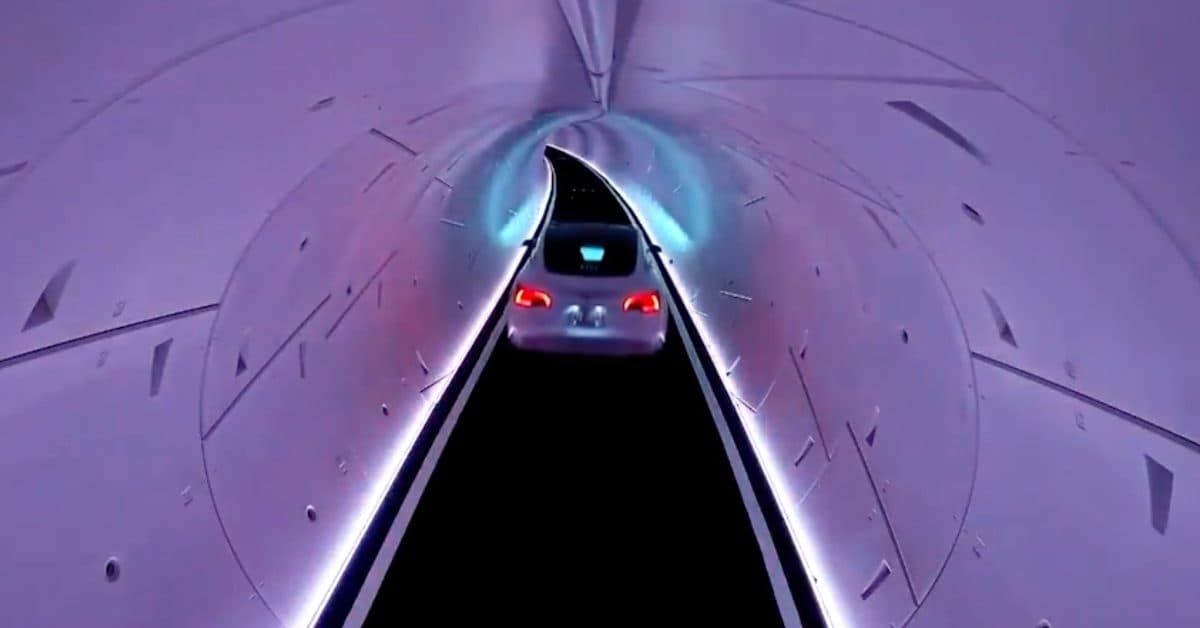
Proponents argue the Loop can out‑pace conventional rail, but real‑world data tell a different story. Las Vegas’s 2.2‑mile Loop moves roughly 30,000 passengers per day, translating to well under 2,000 riders per hour—far less than a single subway line that can handle 10,000 to 30,000 passengers per hour per direction. The fundamental limitation is vehicle size: a Tesla carries four to five occupants, whereas a subway train transports over a thousand. Without credible simulations or independent studies, the capacity claim remains speculative, undermining the Loop’s purported public‑transit advantage.
Safety and financial transparency further cloud the project’s outlook. Nevada regulators fined the Boring Company nearly $900,000 in 2025 for chemical burns and improper waste disposal, and the firm appeared on a national “Dirty Dozen” safety offender list. In Nashville, a subcontractor walked off the job after receiving only five percent of its invoice, highlighting payment disputes. Moreover, the company has not disclosed construction costs, fare structures, or a timeline for recouping its investment. These uncertainties, combined with state‑level political shielding, raise doubts about the Loop’s feasibility and set a cautionary precedent for future private‑infrastructure ventures.
Nashville opposes Elon Musk’s Loop tunnel — a decade later, still no proof it beats a subway
0
Comments
Want to join the conversation?
Loading comments...