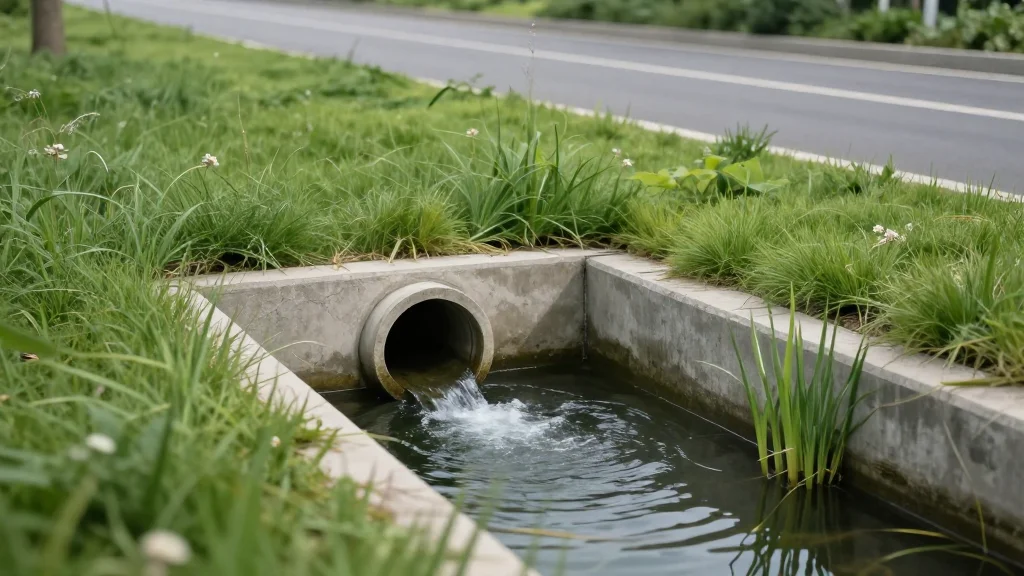
National Highways Appoints Team to Tackle Road Run-Off Pollution
Why It Matters
Reducing road‑runoff pollution protects water resources, aligns with UK environmental targets and demonstrates how large‑scale infrastructure can be retrofitted for sustainability.
Key Takeaways
- •WSP leads National Highways’ Water Quality Plan, joined by four engineering firms.
- •182 high‑risk outfalls will be remediated by 2030.
- •Treatment options include nature‑based solutions within existing road boundaries.
- •Project covers over 7,200 km of motorways and major A roads.
- •Initiative aims to cut oils, metals, and solids entering rivers.
Pulse Analysis
Road runoff has long been a hidden source of water‑quality degradation across the United Kingdom. As rain sweeps across asphalt, it picks up petroleum residues, brake‑dust metals and fine tyre particles, delivering them directly into streams and groundwater. Recent investigations revealed that many runoff ponds along the M25 were overdue for cleaning, raising concerns about hazardous waste accumulation. In response, National Highways launched a Water Quality Plan that targets the most polluting discharges on its Strategic Road Network, setting a 2030 deadline to remediate 182 high‑risk outfalls and protect aquatic ecosystems.
To turn the plan into action, National Highways appointed WSP as the lead technical partner, backed by Mott MacDonald, Ramboll, Arup and Aecom. The consortium will provide programme leadership, technical assurance and design services for more than 7,200 km of motorways and major A roads. Solutions will range from nature‑based interventions—such as constructed wetlands and vegetated swales—to engineered treatment units that fit within existing road footprints. By leveraging both ecological and mechanical approaches, the team aims to deliver cost‑effective, scalable treatments that meet the agency’s evidence‑led standards.
If successful, the programme could reshape how transport authorities manage stormwater, setting a benchmark for other European corridors. Reducing oil, metal and solid loads will improve river health, support biodiversity targets and help the UK meet its broader net‑zero commitments. The collaboration also signals growing market demand for multidisciplinary engineering firms capable of integrating sustainability into legacy infrastructure. Investors and policymakers will be watching the 2030 milestones closely, as measurable water‑quality gains could unlock further public‑private funding for green retrofits across the nation’s road network.
National Highways appoints team to tackle road run-off pollution
Comments
Want to join the conversation?
Loading comments...